

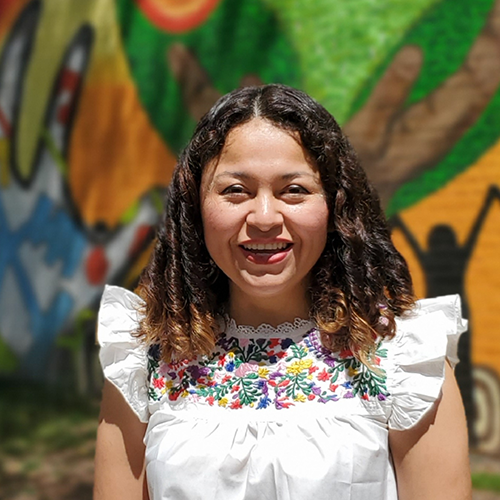
 As we continue celebrating 20 years of services to the Latino community, our Client Care and Engagement Manager, Mary Jones, has some reflections and words of encouragement.
We want to share some lessons learned that have impacted our work and our hearts as an organization over the course of these 20 years.
- We’ve gained valuable insights into supporting mental health in youth and addressing substance use challenges through efforts like the Latine Young Adult and Adolescent Advisory Council (LAYA), where youth guide the improvement of our youth-focused programs; through Mi Voz Nuestra Salud, a learning collaborative of adolescents, parents, community health workers, and community agencies; and through the Immigrant Mental Health Solidarity Network, a diverse network of North Carolinians with the common purpose of studying the systemic barriers to mental health care access for immigrants and developing policy and system changes to achieve better health.
- We’ve learned to support others who may not be as vocal in their struggle, to encourage parents to be present with their children, and to have resources available to understand more about mental health.
- We’ve celebrated the resilience and strength of individuals on their mental health journeys, and encourage open conversations within families, communities, and workplaces. Let’s normalize this important topic!
- We’ve supported organizations and initiatives prioritizing community-driven approaches and culturally responsive care, recognizing the unique challenges that providers who work with the Latino community face on a daily basis.
- We’ve recognized the crucial role of community mental health workers in addressing the mental health crisis and increasing demand for services. Their dedication and expertise are essential in providing culturally sensitive care and addressing stigma.
- We’ve advocated for increased training programs and incentives to attract more professionals to serve these communities.
To our clients, donors and funders, Board Members, colleagues/staff members, collaborators, partner organizations, and everyone who has embarked on this journey with us, we want to extend our gratitude and admiration. Together, we continue breaking down barriers and creating a more inclusive and supportive environment for mental health.
 Alvely Alcántara, LCSW
 Rossy C. Garcia, MEd
  Katy Sims, MD
  Everardo Aviles, LCSW, LCAS (Eve)
 As a medical anthropologist and social work researcher, Dr. Gulbas’ research embodies interdisciplinarity through the integration of applied theories of health and human development with qualitative and ethnographic methodologies. Her work seeks to understand how people—children, families, and providers—navigate complex sociocultural landscapes in the pursuit of mental health. Most of her work, to date, focuses attention on developing more robust interpretations of suicide risk. With funding from the National Institutes of Mental Health, this body of research has contributed to advancements in theoretical and empirical knowledge of the broader contexts within which youth suicide risk is situated.
  R. Gabriela Barajas-Gonzalez is a developmental psychologist and an assistant professor of Population Health at NYU Grossman School of Medicine. Dr. Barajas-Gonzalez is the principal investigator of a study that examines the impact of immigration-related threat and stress on school communities. She earned a PhD in developmental psychology from Columbia University and hold a BA in human biology from Stanford University. Dr. Barajas-Gonzalez is the daughter of Mexican immigrants and a first gen college student.
 Dr. Parra-Cardona is an Associate Professor in the Steve Hicks School of Social Work (SHSSW) at the University of Texas at Austin. At the SHSSW, he serves as Coordinator for Mexico and Latin American initiatives. He also serves as Area Director for Research at the UT Austin Latino Research Institute. Dr. Parra-Cardona’s program of research is focused on the cultural adaptation of evidence-based parenting interventions for low-income Latinx populations in the US and Latin America.
 Bianka Reese, PhD, MSPH is a research scientist and program evaluator specializing in adolescent and young adult sexual and reproductive health. Her previous research in the experiences of Latinx LGBTQ+ youth stems from her work as the Research and Evaluation Manager at SHIFT NC (Sexual Initiatives For Teens), where she led largescale evaluations of multilevel, community-based sexual health promotion initiatives and research projects aimed at elevating the voices of diverse youth in North Carolina. Dr. Reese is currently the Senior Research Strategist at Creative Research Solutions, LLC, an award-winning national evaluation, research, and assessment firm.
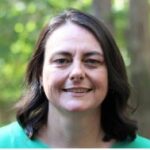 Tania Connaughton-Espino, MPH is an independent researcher focused on adolescent and young adult sexual and reproductive health. Her interest in the experiences of Latinx LGBTQ+ youth stems from her previous work with SHIFT NC (Sexual Initiatives For Teens), where she led the training and evaluation department, conducted capacity-building workshops for youth serving professionals including on the topic of how to be more affirming of LGBTQ youth, and from her extensive experience working with the Latinx population in NC.
 Maru Gonzalez, EdD is an Assistant Professor and Youth Development Specialist in the Department of Agricultural and Human Sciences at North Carolina State University. Her areas of inquiry include youth development with a focus on activism, social justice, and the experiences of LGBTQ+ young people across familial, school, and community contexts.
  Nayeli Y. Chavez-Dueñas, PhD
 Hector Y. Adames, PsyD