
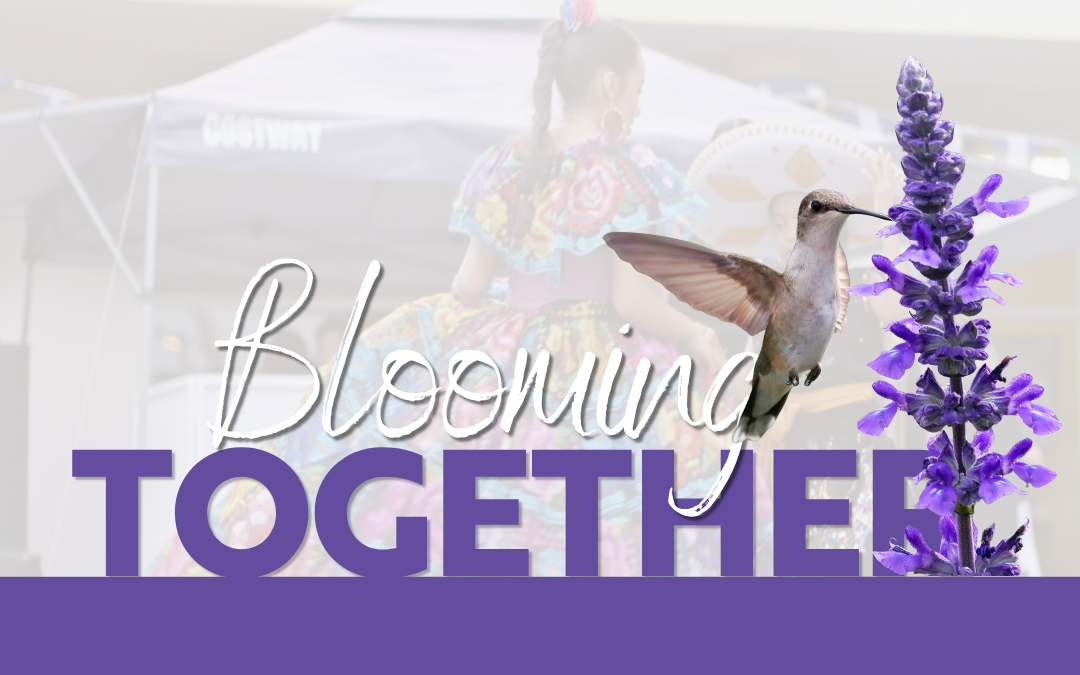
 This May, we are using our voice to empower and engage active, excited donors to fundraise with El Futuro and help meet our goal of $150,000 to maintain, staff, and grow the Therapeutic Greenspace and it’s nature-based, healing programming.
Every spring, something shifts. The ground softens, light stretches longer into the day, and what looked dormant begins to come back to life. Growth doesn’t happen in isolation; it happens because conditions change. Because there is warmth, nourishment, space. Because together makes it possible.
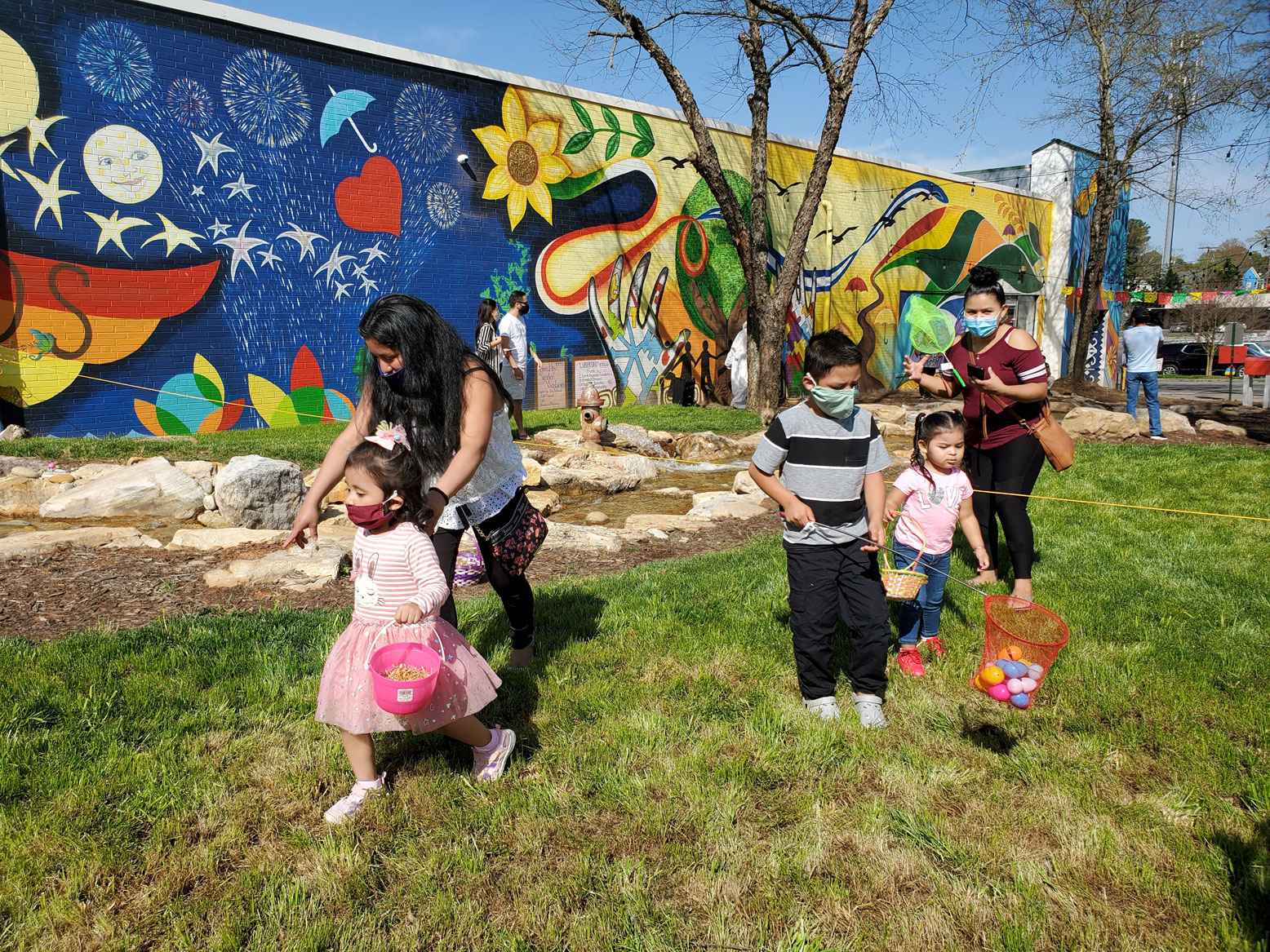
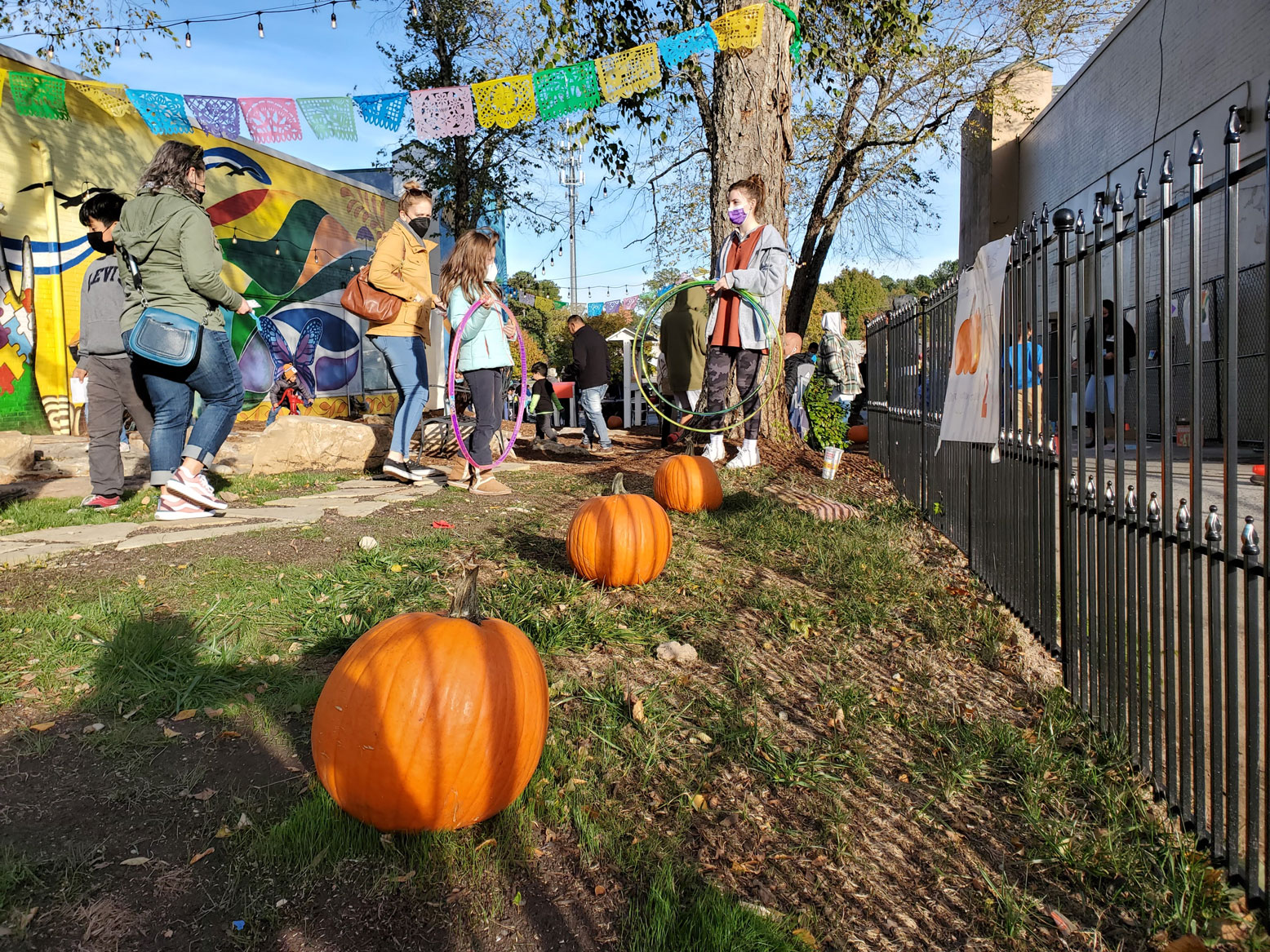
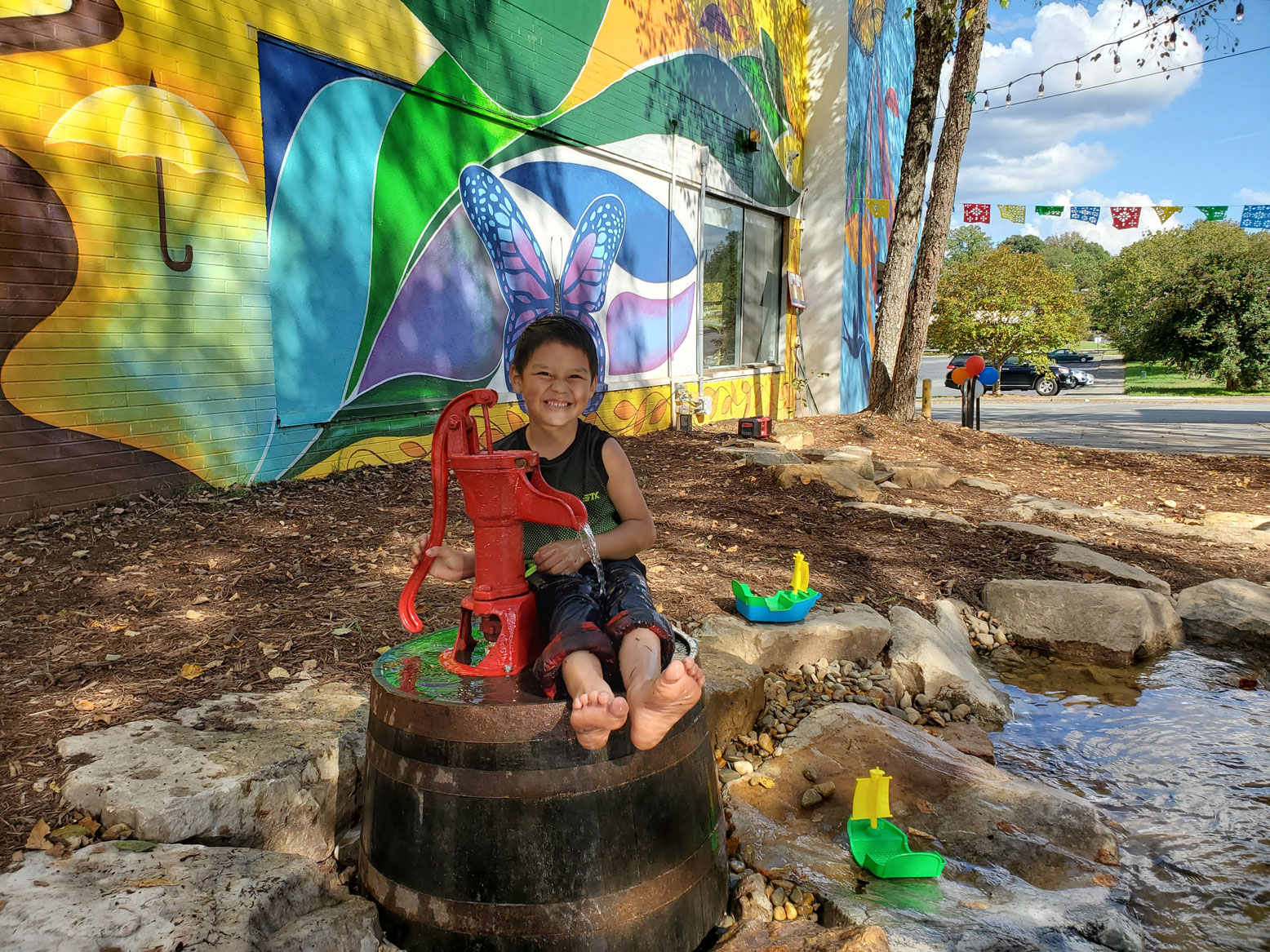
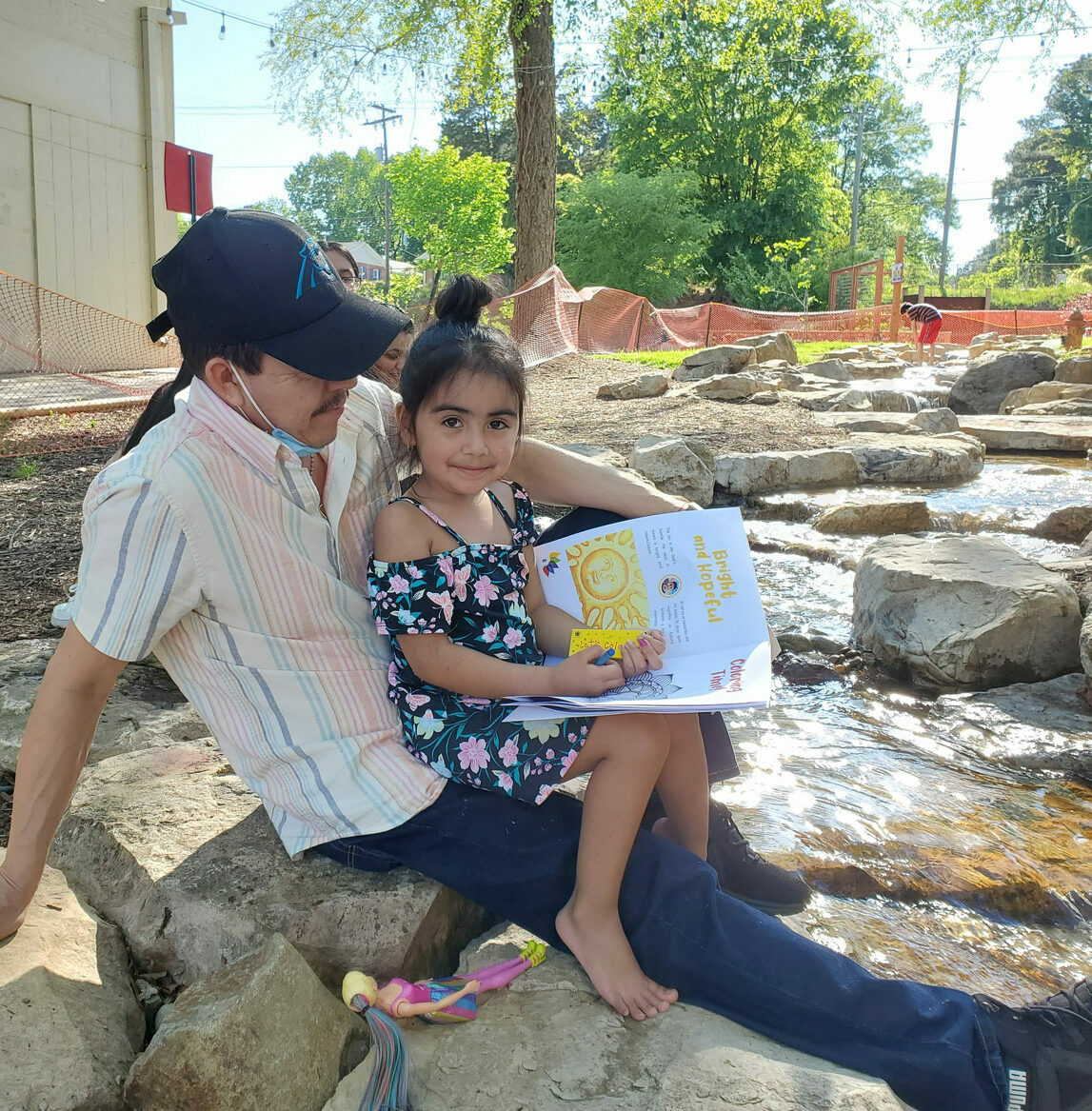
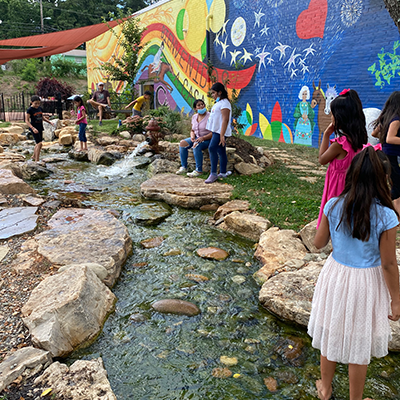
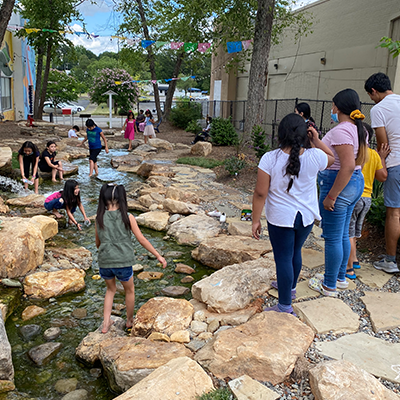
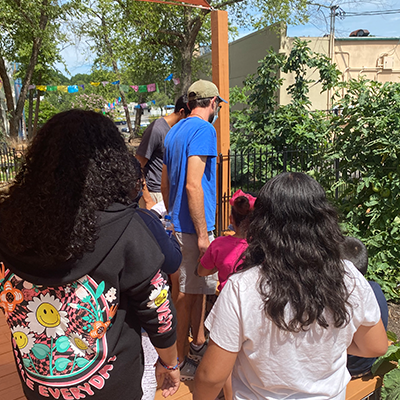
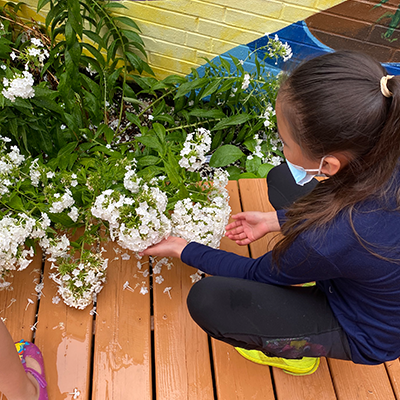
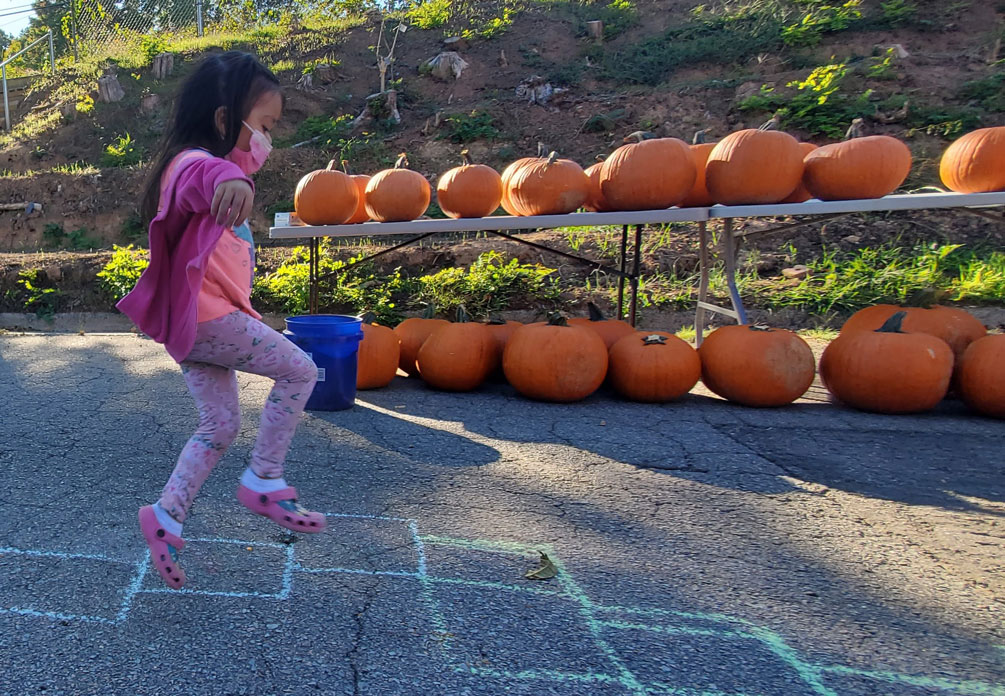
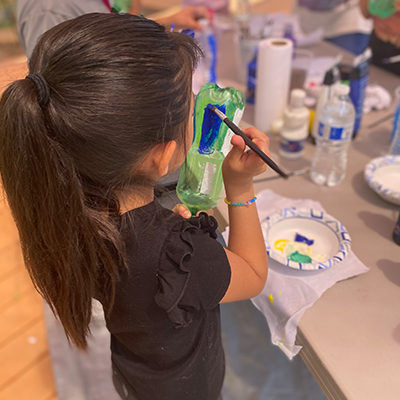
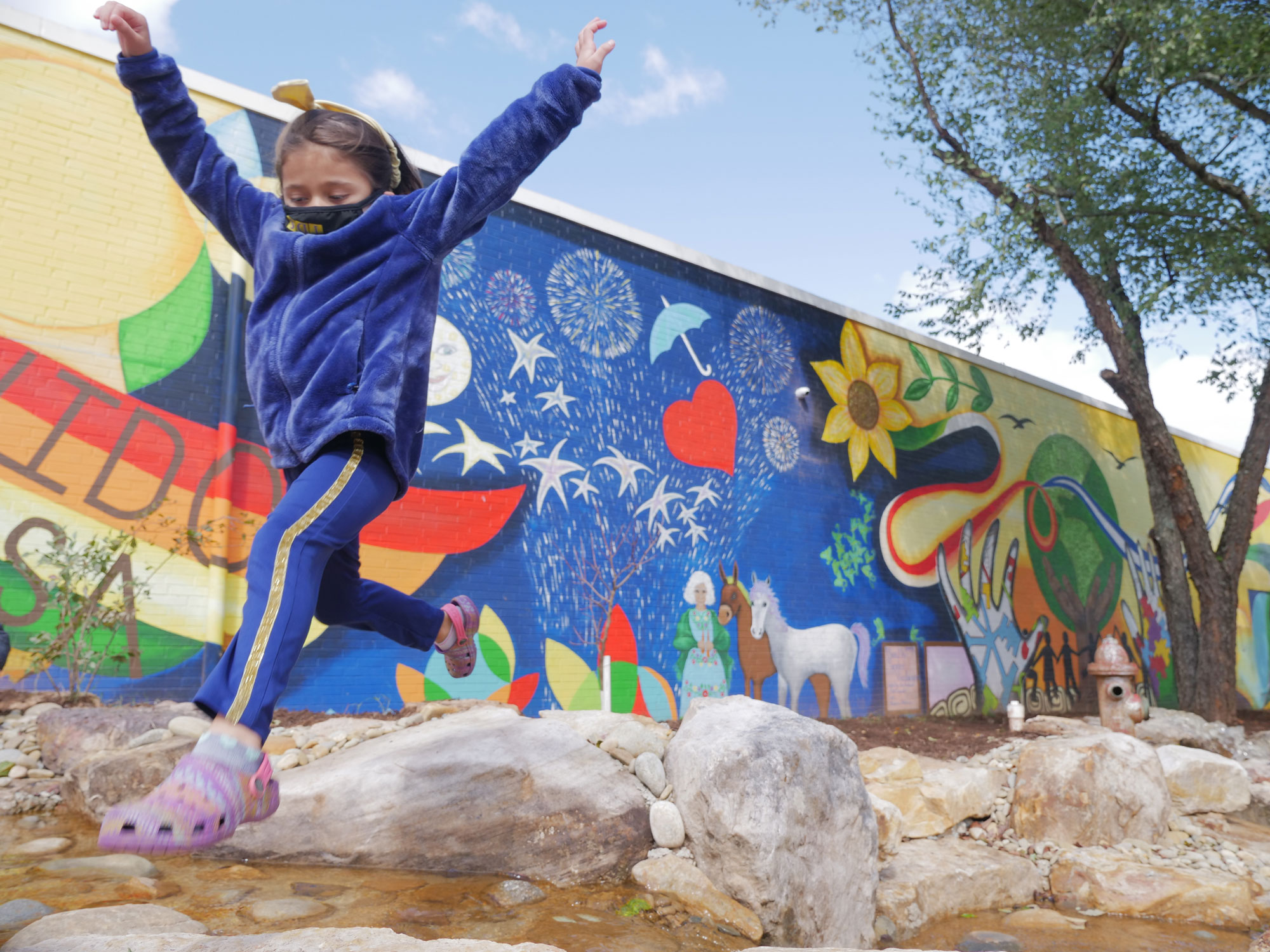
That’s why El Futuro’s Therapeutic Greenspace is so important. More than a garden, it is a place where community members gather, where conversations unfold naturally, and where the simple presence of nature supports emotional well-being. Here, children play, families connect, and individuals find moments of calm and restoration.
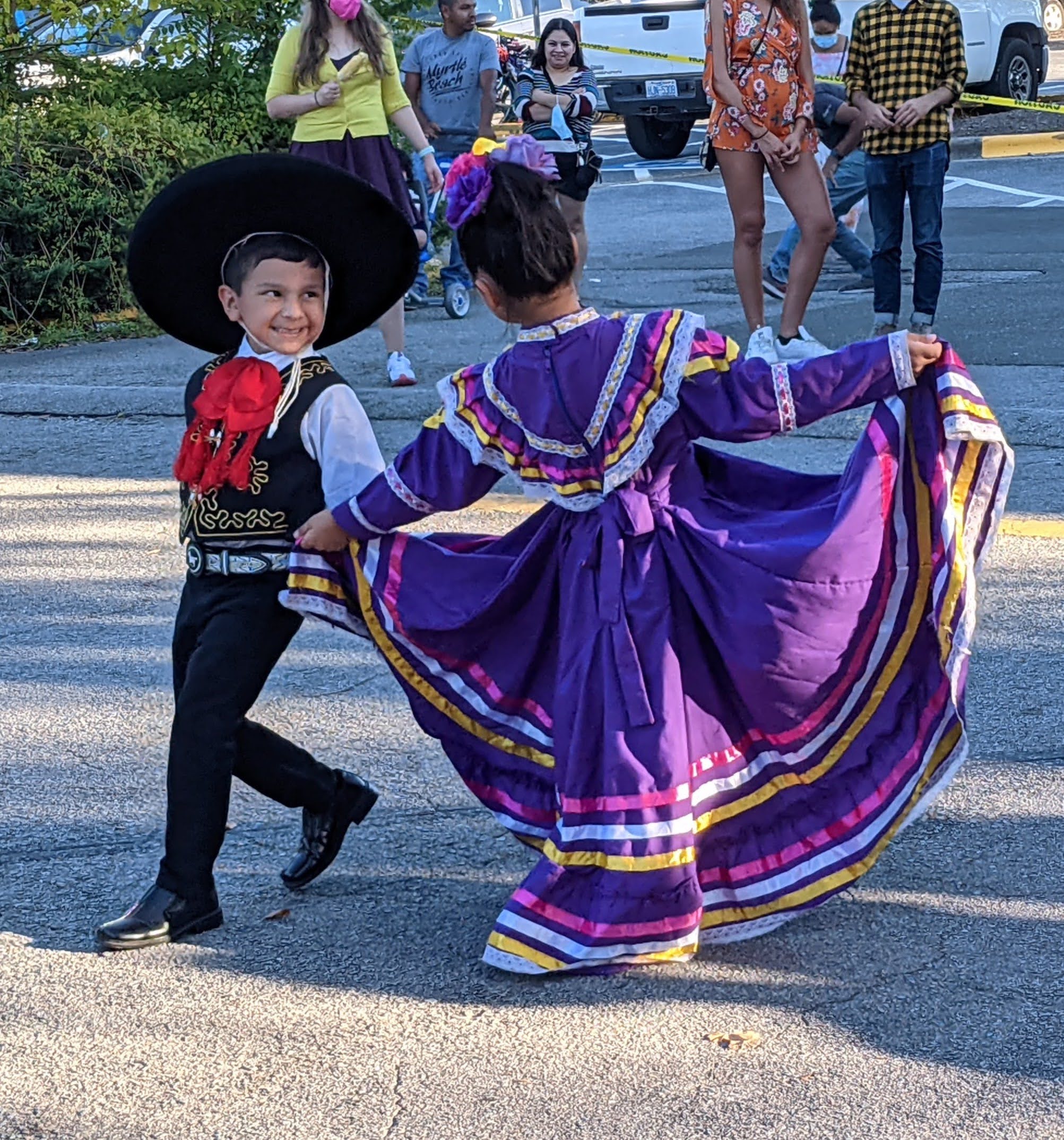
This May, during Mental Health Month, Blooming Together celebrates the power of community and the environments that help healing take root. Just like the season around us, when we nurture the right conditions with care, compassion, and culturally responsive support people and communities can truly bloom.
Together, we are cultivating a space where healing grows. Together, we are blooming.
About the Greenspace
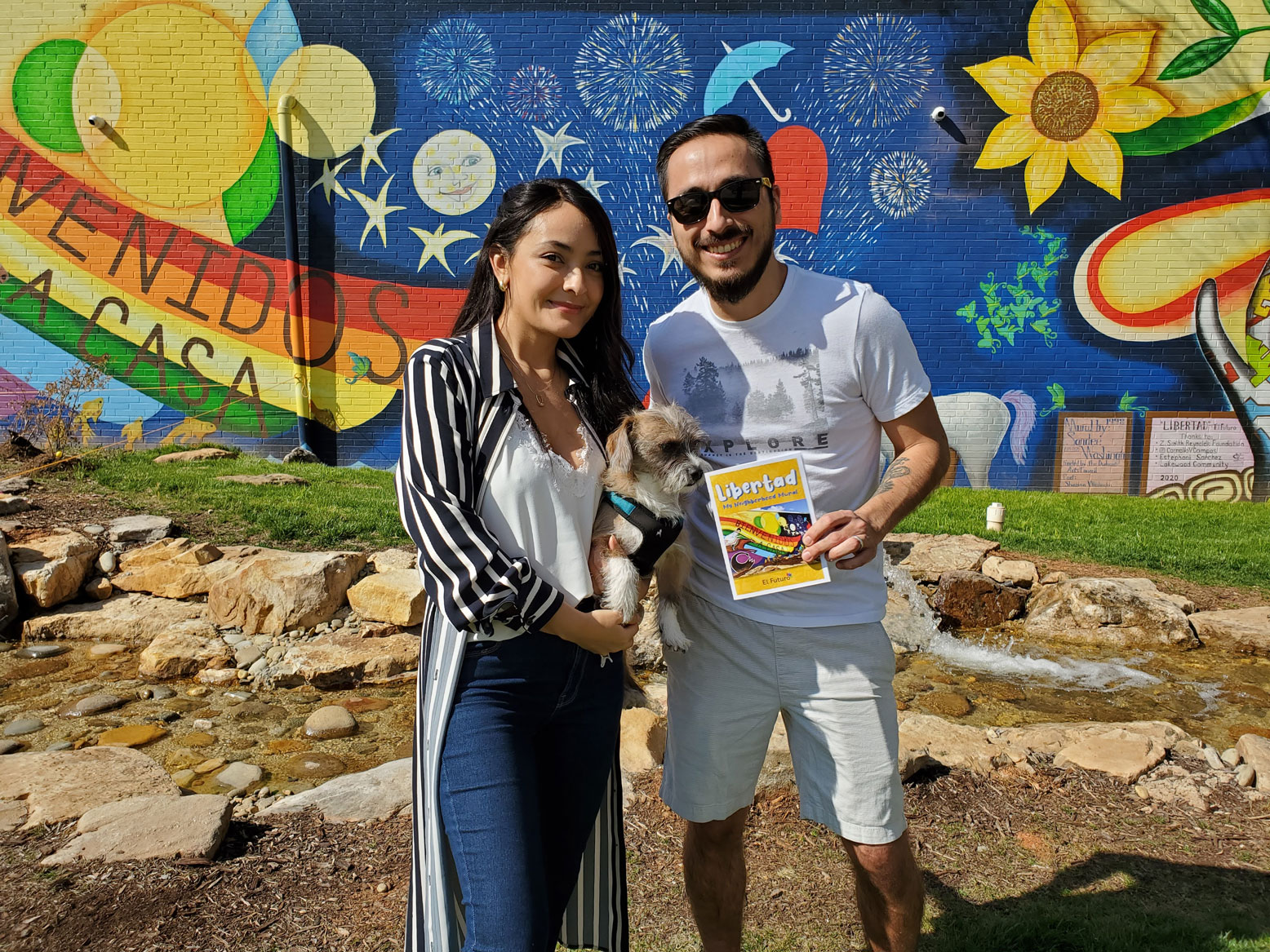
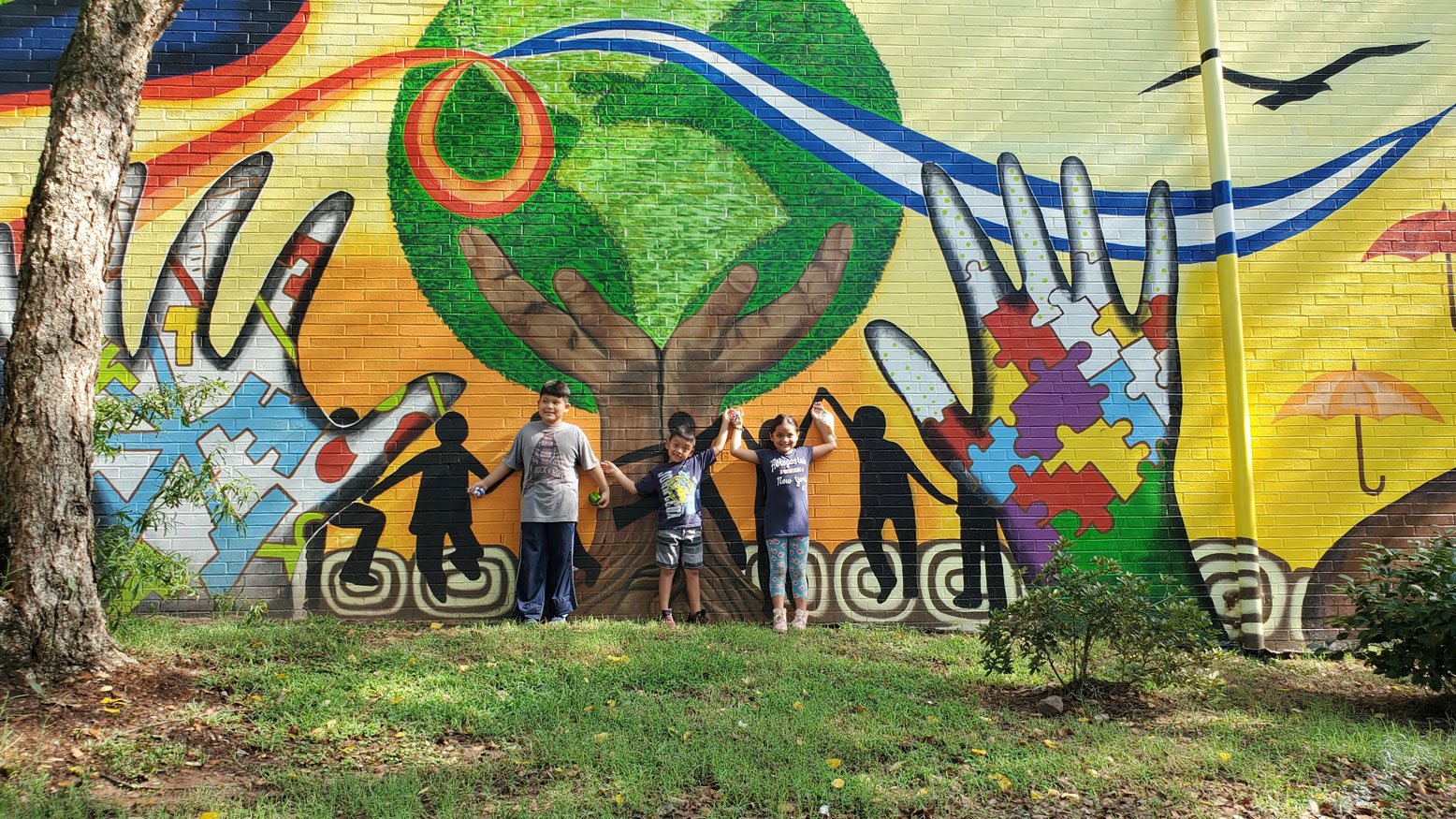
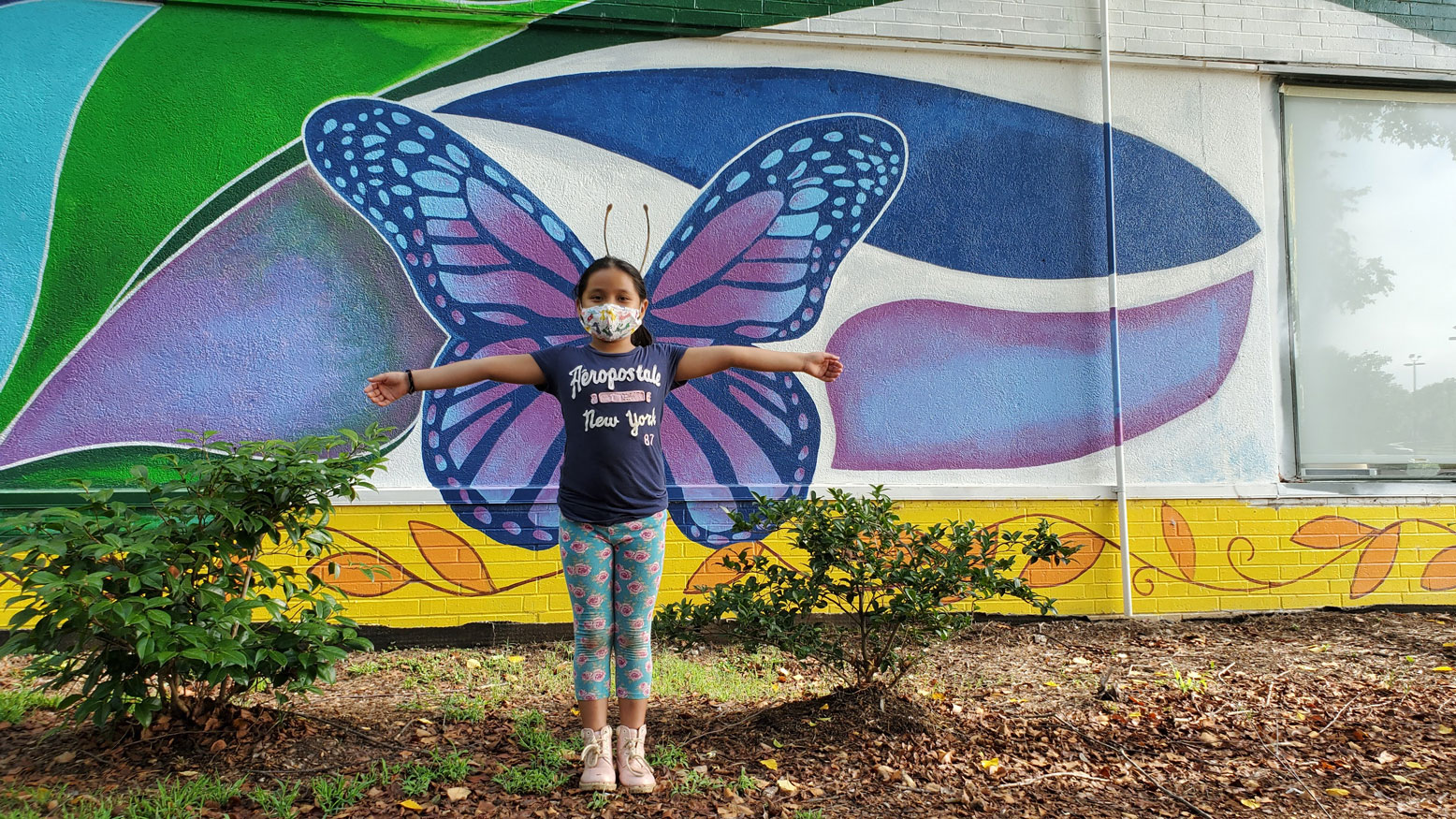
We created a space in which immigrant families, who too often feel excluded, isolated, or unwanted, can feel like they truly belong, are welcomed and included, and can contribute their best gifts in their new community. Through beautifying the greenspace in intentional, therapeutic ways, we hope to cultivate a familial and communal environment. Learn more about our greenspace.



 Alvely Alcántara, LCSW
 Rossy C. Garcia, MEd
  Katy Sims, MD
  Everardo Aviles, LCSW, LCAS (Eve)
 As a medical anthropologist and social work researcher, Dr. Gulbas’ research embodies interdisciplinarity through the integration of applied theories of health and human development with qualitative and ethnographic methodologies. Her work seeks to understand how people—children, families, and providers—navigate complex sociocultural landscapes in the pursuit of mental health. Most of her work, to date, focuses attention on developing more robust interpretations of suicide risk. With funding from the National Institutes of Mental Health, this body of research has contributed to advancements in theoretical and empirical knowledge of the broader contexts within which youth suicide risk is situated.
  R. Gabriela Barajas-Gonzalez is a developmental psychologist and an assistant professor of Population Health at NYU Grossman School of Medicine. Dr. Barajas-Gonzalez is the principal investigator of a study that examines the impact of immigration-related threat and stress on school communities. She earned a PhD in developmental psychology from Columbia University and hold a BA in human biology from Stanford University. Dr. Barajas-Gonzalez is the daughter of Mexican immigrants and a first gen college student.
 Dr. Parra-Cardona is an Associate Professor in the Steve Hicks School of Social Work (SHSSW) at the University of Texas at Austin. At the SHSSW, he serves as Coordinator for Mexico and Latin American initiatives. He also serves as Area Director for Research at the UT Austin Latino Research Institute. Dr. Parra-Cardona’s program of research is focused on the cultural adaptation of evidence-based parenting interventions for low-income Latinx populations in the US and Latin America.
 Bianka Reese, PhD, MSPH is a research scientist and program evaluator specializing in adolescent and young adult sexual and reproductive health. Her previous research in the experiences of Latinx LGBTQ+ youth stems from her work as the Research and Evaluation Manager at SHIFT NC (Sexual Initiatives For Teens), where she led largescale evaluations of multilevel, community-based sexual health promotion initiatives and research projects aimed at elevating the voices of diverse youth in North Carolina. Dr. Reese is currently the Senior Research Strategist at Creative Research Solutions, LLC, an award-winning national evaluation, research, and assessment firm.
 Tania Connaughton-Espino, MPH is an independent researcher focused on adolescent and young adult sexual and reproductive health. Her interest in the experiences of Latinx LGBTQ+ youth stems from her previous work with SHIFT NC (Sexual Initiatives For Teens), where she led the training and evaluation department, conducted capacity-building workshops for youth serving professionals including on the topic of how to be more affirming of LGBTQ youth, and from her extensive experience working with the Latinx population in NC.
 Maru Gonzalez, EdD is an Assistant Professor and Youth Development Specialist in the Department of Agricultural and Human Sciences at North Carolina State University. Her areas of inquiry include youth development with a focus on activism, social justice, and the experiences of LGBTQ+ young people across familial, school, and community contexts.
  Nayeli Y. Chavez-Dueñas, PhD
 Hector Y. Adames, PsyD