
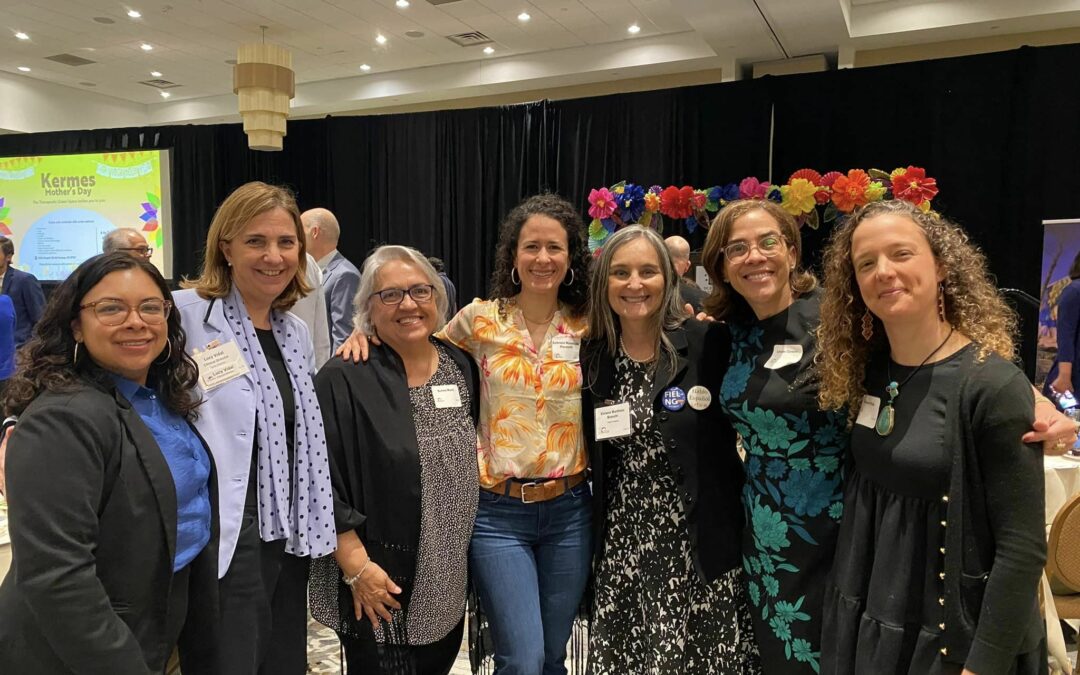
This post comes from Norma Marti, one of our special guests at El Futuro’s 20th Anniversary Luncheon on April 26, 2024
 In my heart, I have always supported El Futuro, so when one of El Futuro’s board members invited me to attend their 20th Anniversary Luncheon, it was an easy yes for me. I had originally met Luke Smith at some community organizing event in the mountains twenty years ago and as he talked about this new idea to provide mental health services directly to the Latino community, I remember thinking “That’s an interesting idea.”
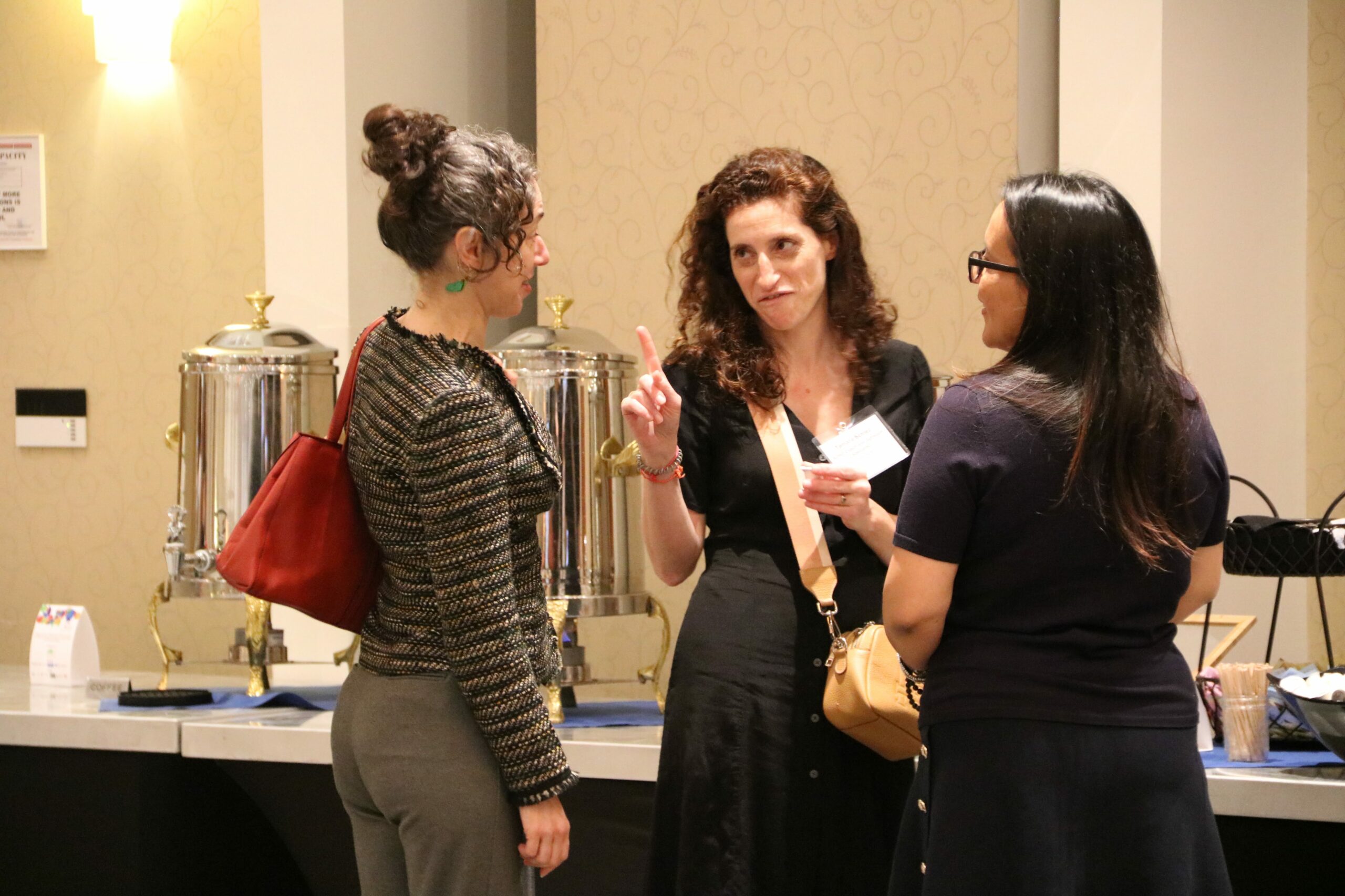
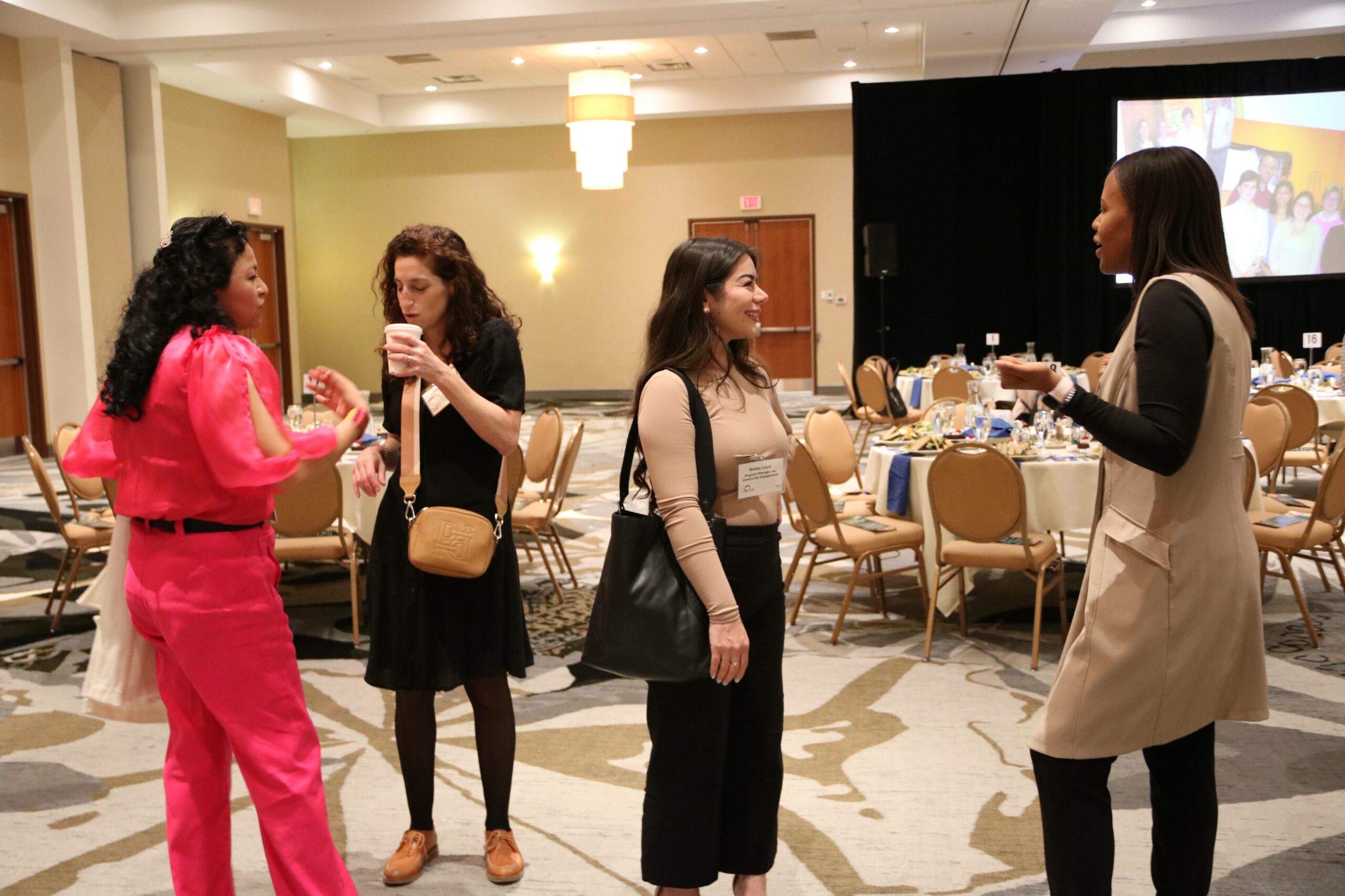
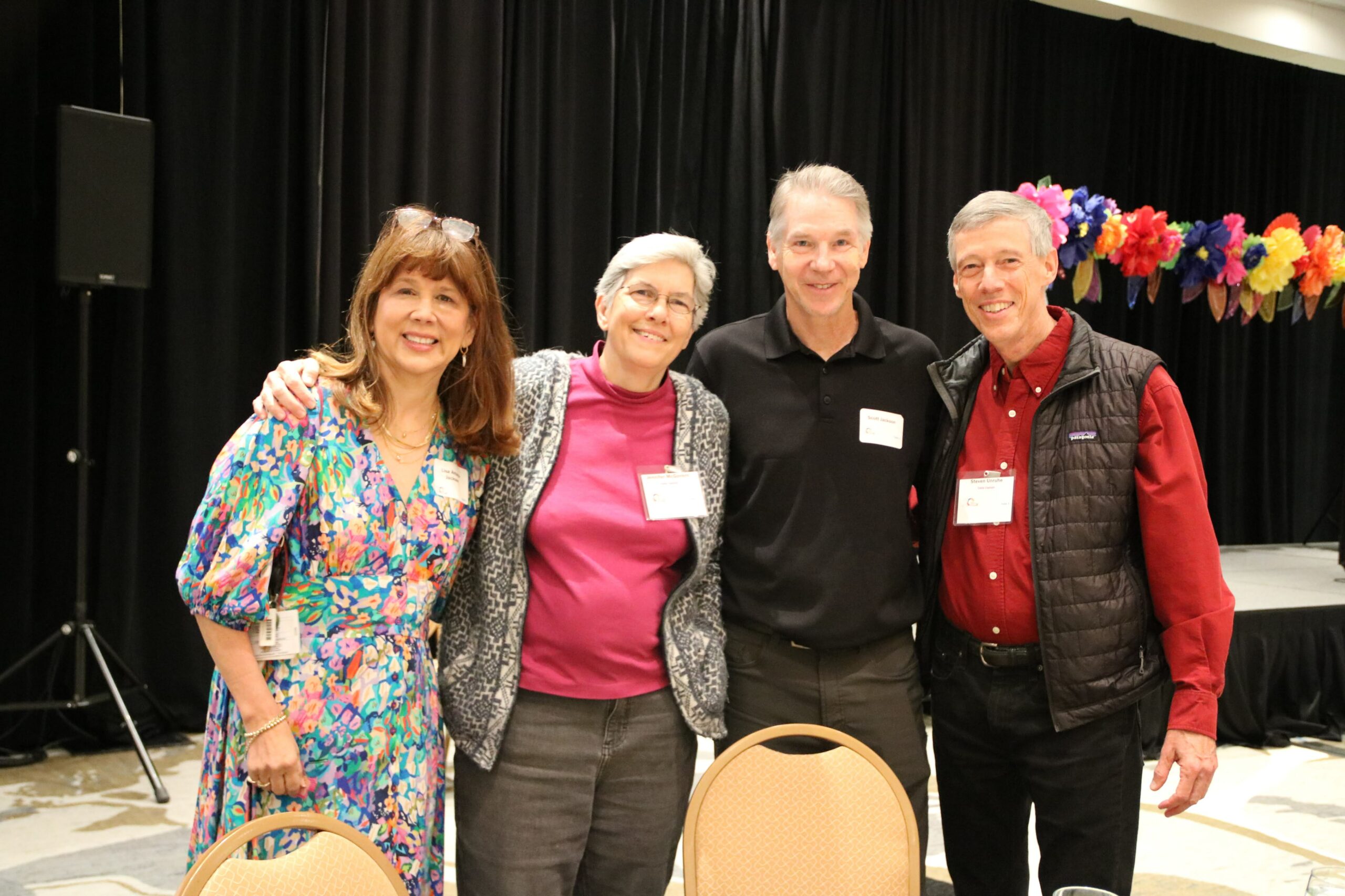
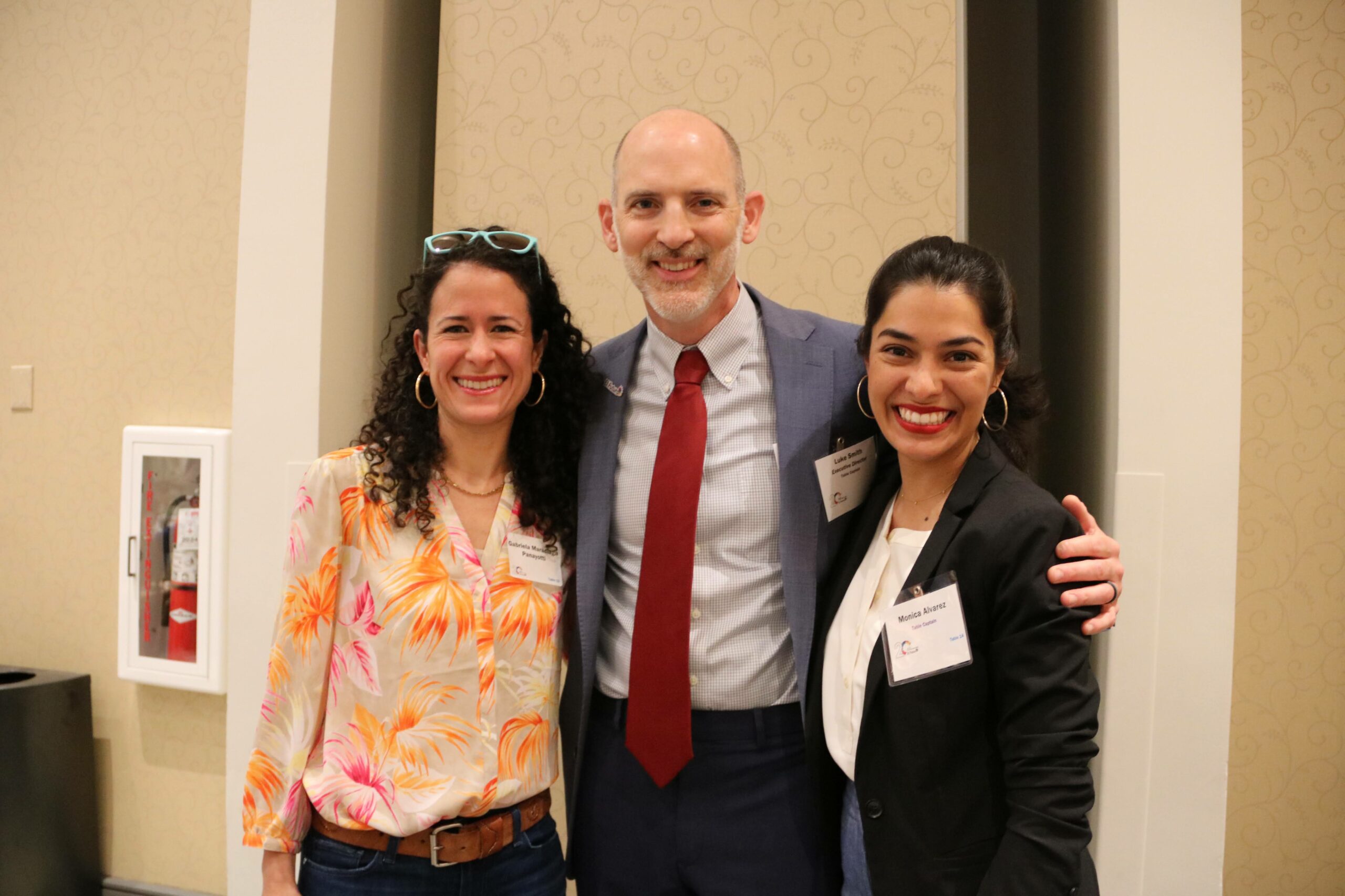
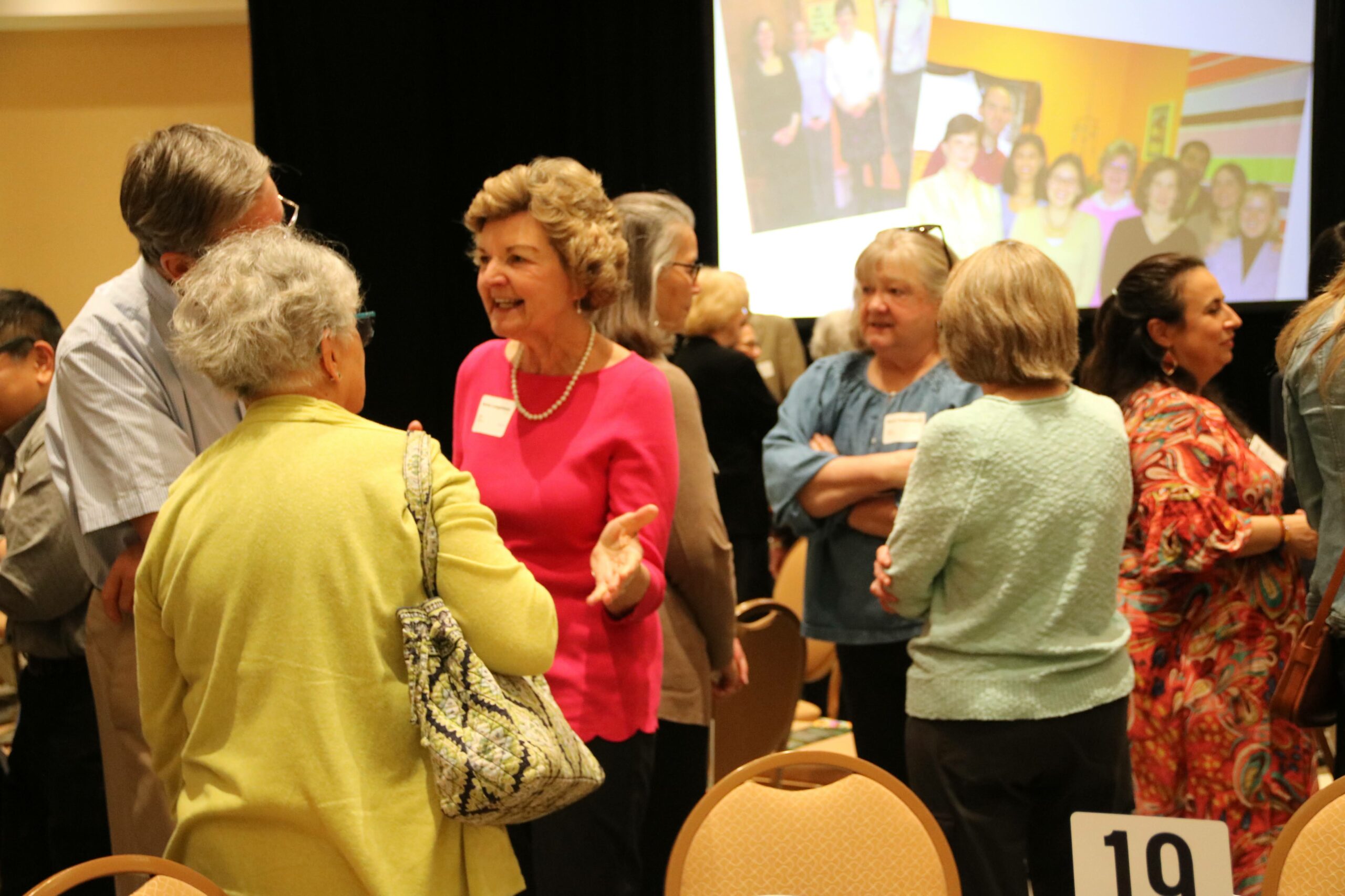
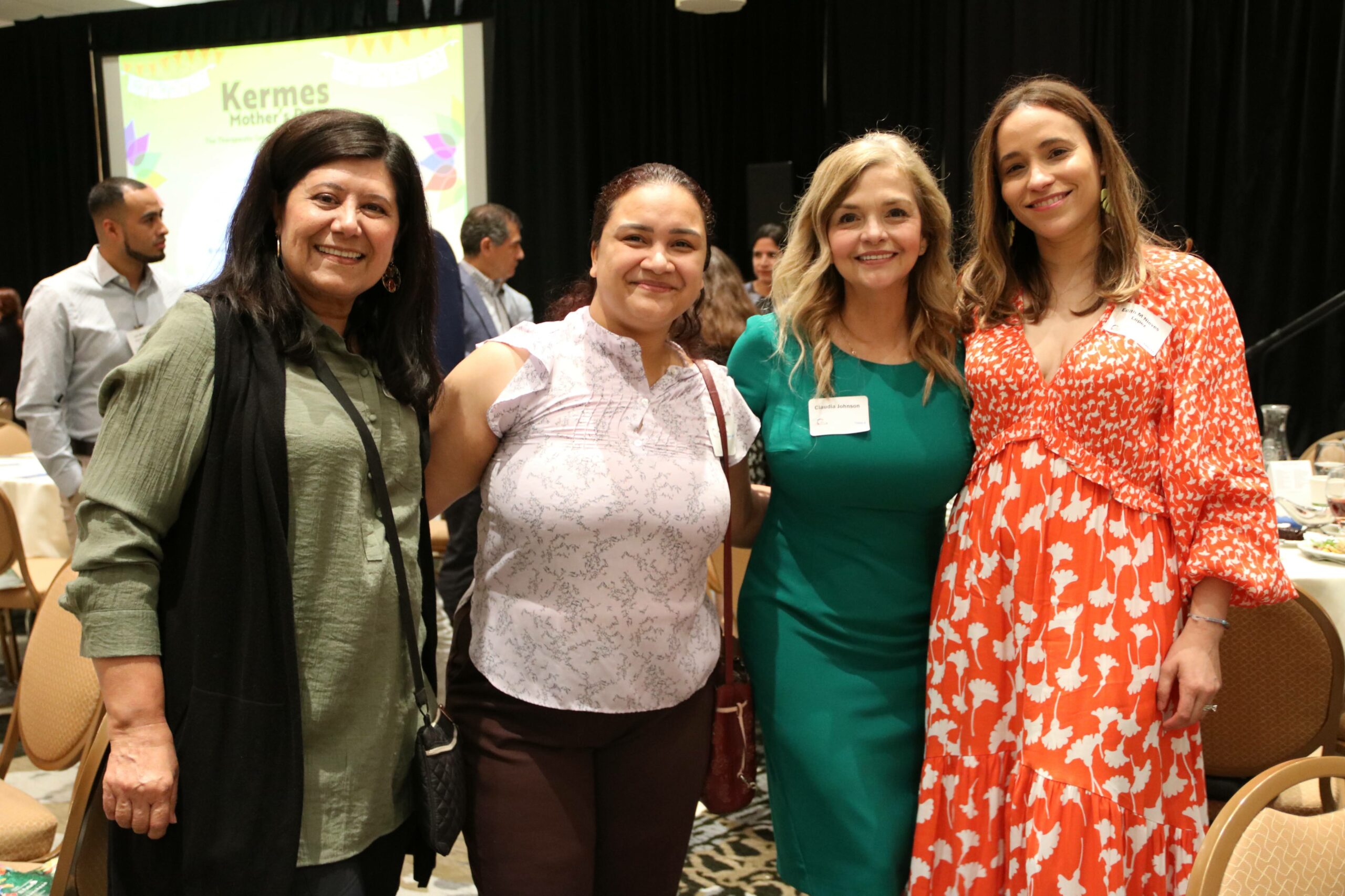
Fast forward twenty years to the 2024 Luncheon where 300 people came together in one place to celebrate the reverberating impact of that “interesting idea.” And it did feel like a celebration! I saw former colleagues, professional contacts, and so many friends – old and new. It was another reminder that the Latino community is growing and the support for mental health and wellness is as well. As El Futuro continues to grow as a community-driven organization, I look forward to seeing El Futuro incorporate more male voices since mental health is one of the issues that tend to be harder for men to discuss.
I especially loved that Marilu’s story was told in her native Spanish! Hers was a story of strength and endurance. I was reminded of a time a couple years ago when a project I worked with was developing mental health training for promotoras, in Spanish and English and we reached out to El Futuro, but at the time all their training materials were still in English. They went back to the drawing board and came back with materials in Spanish and a Spanish-speaking trainer to support their principal trainer, and it enriched the effectiveness of their work. We are all moving forward little by little with strength and endurance.
As I listened to the testimonies at the Luncheon and the stories of the community health worker, the therapist, and the clergyperson, I felt close to tears. This is what we are here to do – to make a difference in people’s lives. Not all of us can be a therapist, but we all have a little something that we can contribute.
I, for one, dream of providing a respite to Latino parents of children with special healthcare needs. It’s an idea I’m calling “Casa Abuelita” where moms and dads who don’t have grandparents nearby can have a weekend escape where they can simply rest, eat well, learn some simple meditation practices, and have a mental health break. I am working with ULECAN (Unión Latina del Este de Carolina del Norte) to make it a reality and we will be taking our first two groups of families to a donated Airbnb home on the North Carolina coast this November. I am an abuelita myself so eventually I will have to entrust this “interesting idea” to the next generation, but that is what it is all about!
Congratulations to El Futuro for twenty years of dreaming. Here is my haiku inspired by what I heard at the Luncheon:
“A future right here…
Hope, new life…blesses us all.
Dreams are possible.”
—Norma Martí
Norma Marti is oftentimes referred to as one of the “abuelas de Latinos” in North Carolina due to her lifetime of hard work dedicated to increasing collaboration between the Latino community and the organizations that provide goods and services to them. If you would like to learn more about how to get involved with her “Casa de Abuelita” project, please email her at marti.norma@gmail.com.
View Marilu’s video HERE
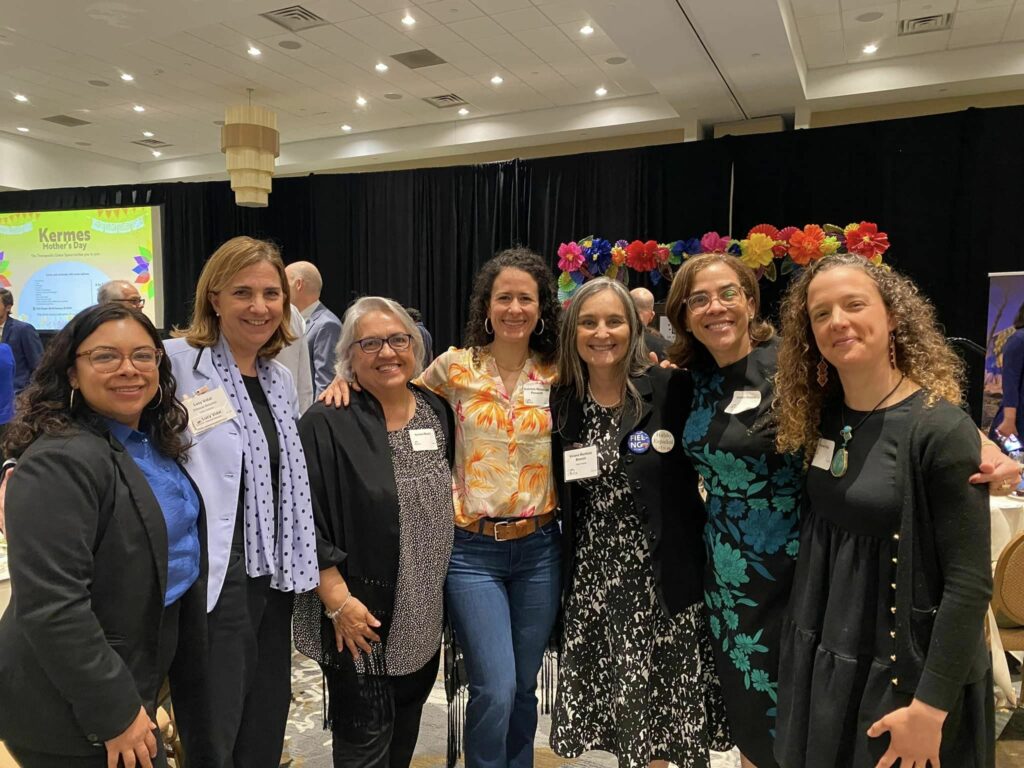
Pictured in photo (left to right): Yazmin Garcia Rico, Lucy Vidal, Norma Marti, Gabriela Maradiaga Panayotti, Viviana Martinez-Bianchi, Leonor Corsino, Anne Fields



 Alvely Alcántara, LCSW
 Rossy C. Garcia, MEd
  Katy Sims, MD
  Everardo Aviles, LCSW, LCAS (Eve)
 As a medical anthropologist and social work researcher, Dr. Gulbas’ research embodies interdisciplinarity through the integration of applied theories of health and human development with qualitative and ethnographic methodologies. Her work seeks to understand how people—children, families, and providers—navigate complex sociocultural landscapes in the pursuit of mental health. Most of her work, to date, focuses attention on developing more robust interpretations of suicide risk. With funding from the National Institutes of Mental Health, this body of research has contributed to advancements in theoretical and empirical knowledge of the broader contexts within which youth suicide risk is situated.
  R. Gabriela Barajas-Gonzalez is a developmental psychologist and an assistant professor of Population Health at NYU Grossman School of Medicine. Dr. Barajas-Gonzalez is the principal investigator of a study that examines the impact of immigration-related threat and stress on school communities. She earned a PhD in developmental psychology from Columbia University and hold a BA in human biology from Stanford University. Dr. Barajas-Gonzalez is the daughter of Mexican immigrants and a first gen college student.
 Dr. Parra-Cardona is an Associate Professor in the Steve Hicks School of Social Work (SHSSW) at the University of Texas at Austin. At the SHSSW, he serves as Coordinator for Mexico and Latin American initiatives. He also serves as Area Director for Research at the UT Austin Latino Research Institute. Dr. Parra-Cardona’s program of research is focused on the cultural adaptation of evidence-based parenting interventions for low-income Latinx populations in the US and Latin America.
 Bianka Reese, PhD, MSPH is a research scientist and program evaluator specializing in adolescent and young adult sexual and reproductive health. Her previous research in the experiences of Latinx LGBTQ+ youth stems from her work as the Research and Evaluation Manager at SHIFT NC (Sexual Initiatives For Teens), where she led largescale evaluations of multilevel, community-based sexual health promotion initiatives and research projects aimed at elevating the voices of diverse youth in North Carolina. Dr. Reese is currently the Senior Research Strategist at Creative Research Solutions, LLC, an award-winning national evaluation, research, and assessment firm.
 Tania Connaughton-Espino, MPH is an independent researcher focused on adolescent and young adult sexual and reproductive health. Her interest in the experiences of Latinx LGBTQ+ youth stems from her previous work with SHIFT NC (Sexual Initiatives For Teens), where she led the training and evaluation department, conducted capacity-building workshops for youth serving professionals including on the topic of how to be more affirming of LGBTQ youth, and from her extensive experience working with the Latinx population in NC.
 Maru Gonzalez, EdD is an Assistant Professor and Youth Development Specialist in the Department of Agricultural and Human Sciences at North Carolina State University. Her areas of inquiry include youth development with a focus on activism, social justice, and the experiences of LGBTQ+ young people across familial, school, and community contexts.
  Nayeli Y. Chavez-Dueñas, PhD
 Hector Y. Adames, PsyD