
Other Ways to Partner
Looking for other ways to create an immigrant-welcoming community?
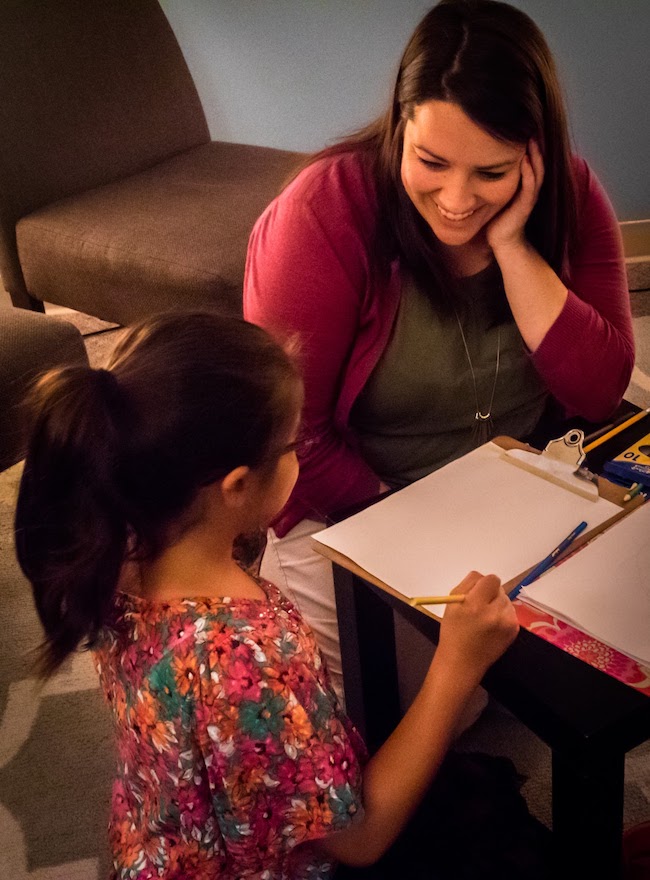
You and your organization can provide space, logistical support, childcare, food, and financial support for programs that strengthen Latino families. This is an excellent way to reach out to the Latino community!
Find other ways to welcome Latino families into your home, school, or neighborhood — like inviting a new friend over to dinner!
Introduce El Futuro to your friends and neighbors. We’re happy to host your small group for a tour and conversation. Email us at mcoffman@elfuturo-nc.org to plan a date!
Faith Communities Involvement
So much of the work we do wouldn’t be possible without the support of community organizations like churches!
We would love to connect with your congregation to be able to serve more familias in North Carolina.
Here are some ways to get involved:

Make a donation from your General Fund or Mission Committee
We depend on donations to serve Latino families — every dollar counts. Click here to learn how to donate by check, online, or through Amazon Smile.

Volunteer in our green space
Our growing green space is a place for our clients and all Lakewood community members to relax, heal, and hope. There are many opportunities to help us build and maintain the therapeutic space in the garden. Click here to learn more.
Host a talk about Latino mental health
Do you think your congregation would like to learn more about the unique barriers faced by your Latino neighbors in accessing mental health care? Email Kerry Brock at kbrock@elfuturo-nc.org to set up a time for a staff member to speak on these issues.

Come for a tour with your committee to learn more about our services
We would love to show you around the healing space that is our Durham Clinic. Meet our staff and learn more about how we’ve grown into a model for Latino mental health treatment.
Partnerships
We simply couldn’t do the work that we do without the consistent and generous support of a broad array of partners. In addition to many individuals and partnering service providers who help support our work, we’re so grateful to the following entities for their support:
ABC Board of Orange County
Cannon Foundation
Chatham County
The Duke Endowment
Duke’s Doing Good in the Neighborhood Employee Giving Campaign
City of Durham Neighborhood Improvement Services
Duke University Health System
Durham County
Durham Public Schools
Governor’s Crime Commission (GCC)
Juvenile Crime Prevention Council (JCPC) of Chatham County
Juvenile Crime Prevention Council (JCPC) of Durham County
New Venture Fund
North Carolina Area Health Education Centers
North Carolina Department of Health and Human Services, Division of Mental Health, Developmental Disabilities and Substance Abuse Services
North Carolina Office of Rural Health, North Carolina Farmworkers Program
Oak Foundation
Orange County
Patient-Centered Outcomes Research Institute (PCORI)
Kate B. Reynolds Charitable Trust
Town of Carrboro
Town of Chapel Hill
Triangle Community Foundation
United Way of Chatham County
United Way of the Greater Triangle
If you are looking for a partnership or collaboration, please click on the button below to make your request.
 Alvely Alcántara, LCSW
 Rossy C. Garcia, MEd
  Katy Sims, MD
 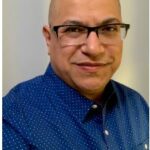 Everardo Aviles, LCSW, LCAS (Eve)
 As a medical anthropologist and social work researcher, Dr. Gulbas’ research embodies interdisciplinarity through the integration of applied theories of health and human development with qualitative and ethnographic methodologies. Her work seeks to understand how people—children, families, and providers—navigate complex sociocultural landscapes in the pursuit of mental health. Most of her work, to date, focuses attention on developing more robust interpretations of suicide risk. With funding from the National Institutes of Mental Health, this body of research has contributed to advancements in theoretical and empirical knowledge of the broader contexts within which youth suicide risk is situated.
  R. Gabriela Barajas-Gonzalez is a developmental psychologist and an assistant professor of Population Health at NYU Grossman School of Medicine. Dr. Barajas-Gonzalez is the principal investigator of a study that examines the impact of immigration-related threat and stress on school communities. She earned a PhD in developmental psychology from Columbia University and hold a BA in human biology from Stanford University. Dr. Barajas-Gonzalez is the daughter of Mexican immigrants and a first gen college student.
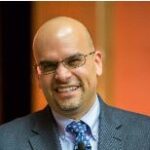 Dr. Parra-Cardona is an Associate Professor in the Steve Hicks School of Social Work (SHSSW) at the University of Texas at Austin. At the SHSSW, he serves as Coordinator for Mexico and Latin American initiatives. He also serves as Area Director for Research at the UT Austin Latino Research Institute. Dr. Parra-Cardona’s program of research is focused on the cultural adaptation of evidence-based parenting interventions for low-income Latinx populations in the US and Latin America.
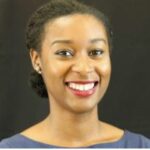 Bianka Reese, PhD, MSPH is a research scientist and program evaluator specializing in adolescent and young adult sexual and reproductive health. Her previous research in the experiences of Latinx LGBTQ+ youth stems from her work as the Research and Evaluation Manager at SHIFT NC (Sexual Initiatives For Teens), where she led largescale evaluations of multilevel, community-based sexual health promotion initiatives and research projects aimed at elevating the voices of diverse youth in North Carolina. Dr. Reese is currently the Senior Research Strategist at Creative Research Solutions, LLC, an award-winning national evaluation, research, and assessment firm.
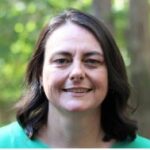 Tania Connaughton-Espino, MPH is an independent researcher focused on adolescent and young adult sexual and reproductive health. Her interest in the experiences of Latinx LGBTQ+ youth stems from her previous work with SHIFT NC (Sexual Initiatives For Teens), where she led the training and evaluation department, conducted capacity-building workshops for youth serving professionals including on the topic of how to be more affirming of LGBTQ youth, and from her extensive experience working with the Latinx population in NC.
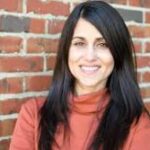 Maru Gonzalez, EdD is an Assistant Professor and Youth Development Specialist in the Department of Agricultural and Human Sciences at North Carolina State University. Her areas of inquiry include youth development with a focus on activism, social justice, and the experiences of LGBTQ+ young people across familial, school, and community contexts.
  Nayeli Y. Chavez-Dueñas, PhD
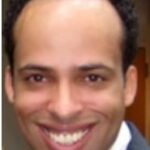 Hector Y. Adames, PsyD