
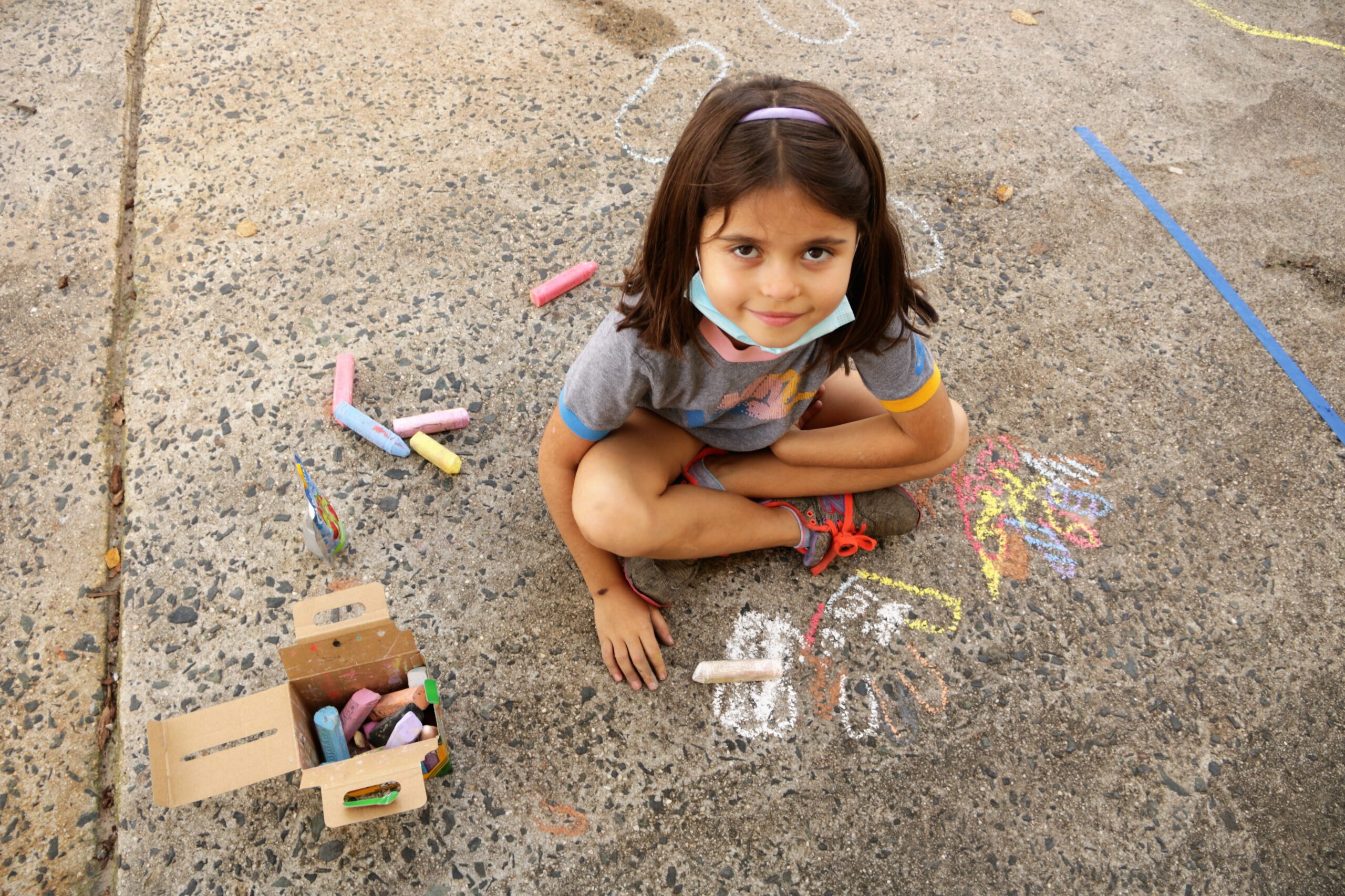
“Radical healing is what we are working for.”
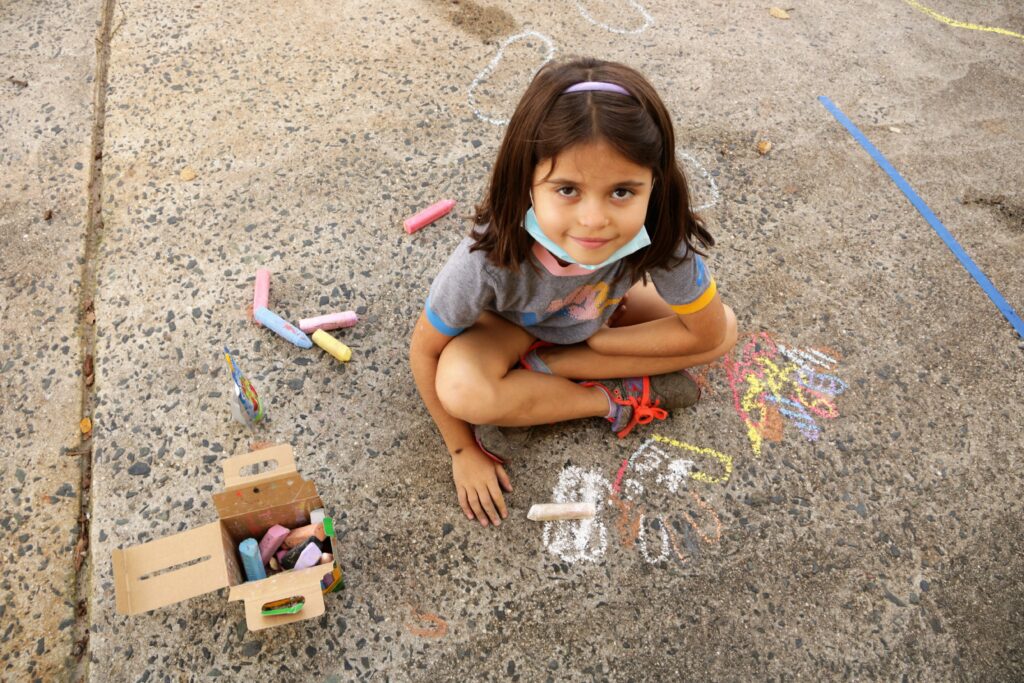 When I heard my colleague, Mary Pineda-Jones, say this in a recent meeting, I paused. As a psychiatrist, “radical healing” is not a phrase I use lightly, but if you’ve ever witnessed radical healing in a loved one, you know just as well as I do how real it is.
And that’s why I’m writing to you today.
Sara* was an overwhelmed mom of three when she joined our parent support group this fall. She was exhausted from juggling her child’s special needs, the teacher’s frustration, and her family’s insistence on authoritarian parenting. When she started attending the group, she said the only tool she had to deal with her daughter was to yell at her.
We’ve found time and time again that in such support groups, parents like Sara learn about their children and build crucial heart skills to help them and their children through difficult times.
After a few weeks in the group, Sara said, “Sometimes you close yourself off and you say, it’s only me and my child who are suffering from this problem, but I’ve found there are many parents who suffer the same thing, and together we can help each other to improve.”
In 2022, we offered 10 ongoing groups to over 425 people. But in 2023, we need your help to keep growing our groups program to support even more families. The dedicated grant funding for many of our parent support groups ends on December 31 and so we need your help to continue helping Sara and many other parents and caregivers who have children with special needs.
While therapy allows people to reconnect with their emotions in healthy ways and medication helps boost restorative biological responses, our families tell us that groups help them reconnect with one another and even connect with their culture after disruptive immigrant experiences. People not only learn essential skills to help their children but feel solidarity and belonging, something that is deeply affirming and healing.
It is radical healing! Yes! I agree with my colleague Mary who herself is an immigrant and has experienced the challenges of parenting in a new culture. After all, radical healing is our goal. At El Futuro, we are working to move beyond the typical paradigm of mental health and this means working with intergenerational relationships, family systems, broader culture dynamics, and communities.
You are part of our community and with your support, we can provide more of this type of radical healing. So I am asking you to please consider supporting El Futuro’s work with your generous gift before December 31.
With thanks and all the brightest holiday wishes,
Luke Smith, MD, Executive Director and Psychiatrist
 Alvely Alcántara, LCSW
 Rossy C. Garcia, MEd
  Katy Sims, MD
 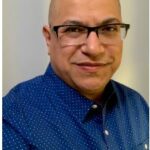 Everardo Aviles, LCSW, LCAS (Eve)
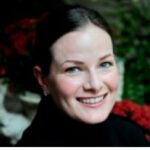 As a medical anthropologist and social work researcher, Dr. Gulbas’ research embodies interdisciplinarity through the integration of applied theories of health and human development with qualitative and ethnographic methodologies. Her work seeks to understand how people—children, families, and providers—navigate complex sociocultural landscapes in the pursuit of mental health. Most of her work, to date, focuses attention on developing more robust interpretations of suicide risk. With funding from the National Institutes of Mental Health, this body of research has contributed to advancements in theoretical and empirical knowledge of the broader contexts within which youth suicide risk is situated.
 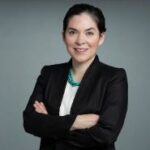 R. Gabriela Barajas-Gonzalez is a developmental psychologist and an assistant professor of Population Health at NYU Grossman School of Medicine. Dr. Barajas-Gonzalez is the principal investigator of a study that examines the impact of immigration-related threat and stress on school communities. She earned a PhD in developmental psychology from Columbia University and hold a BA in human biology from Stanford University. Dr. Barajas-Gonzalez is the daughter of Mexican immigrants and a first gen college student.
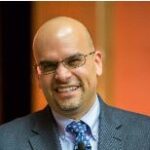 Dr. Parra-Cardona is an Associate Professor in the Steve Hicks School of Social Work (SHSSW) at the University of Texas at Austin. At the SHSSW, he serves as Coordinator for Mexico and Latin American initiatives. He also serves as Area Director for Research at the UT Austin Latino Research Institute. Dr. Parra-Cardona’s program of research is focused on the cultural adaptation of evidence-based parenting interventions for low-income Latinx populations in the US and Latin America.
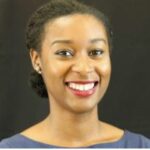 Bianka Reese, PhD, MSPH is a research scientist and program evaluator specializing in adolescent and young adult sexual and reproductive health. Her previous research in the experiences of Latinx LGBTQ+ youth stems from her work as the Research and Evaluation Manager at SHIFT NC (Sexual Initiatives For Teens), where she led largescale evaluations of multilevel, community-based sexual health promotion initiatives and research projects aimed at elevating the voices of diverse youth in North Carolina. Dr. Reese is currently the Senior Research Strategist at Creative Research Solutions, LLC, an award-winning national evaluation, research, and assessment firm.
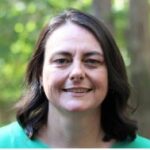 Tania Connaughton-Espino, MPH is an independent researcher focused on adolescent and young adult sexual and reproductive health. Her interest in the experiences of Latinx LGBTQ+ youth stems from her previous work with SHIFT NC (Sexual Initiatives For Teens), where she led the training and evaluation department, conducted capacity-building workshops for youth serving professionals including on the topic of how to be more affirming of LGBTQ youth, and from her extensive experience working with the Latinx population in NC.
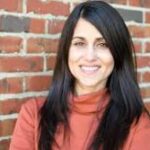 Maru Gonzalez, EdD is an Assistant Professor and Youth Development Specialist in the Department of Agricultural and Human Sciences at North Carolina State University. Her areas of inquiry include youth development with a focus on activism, social justice, and the experiences of LGBTQ+ young people across familial, school, and community contexts.
  Nayeli Y. Chavez-Dueñas, PhD
 Hector Y. Adames, PsyD