
El Futuro Celebrated 20 years
2004 – 2024
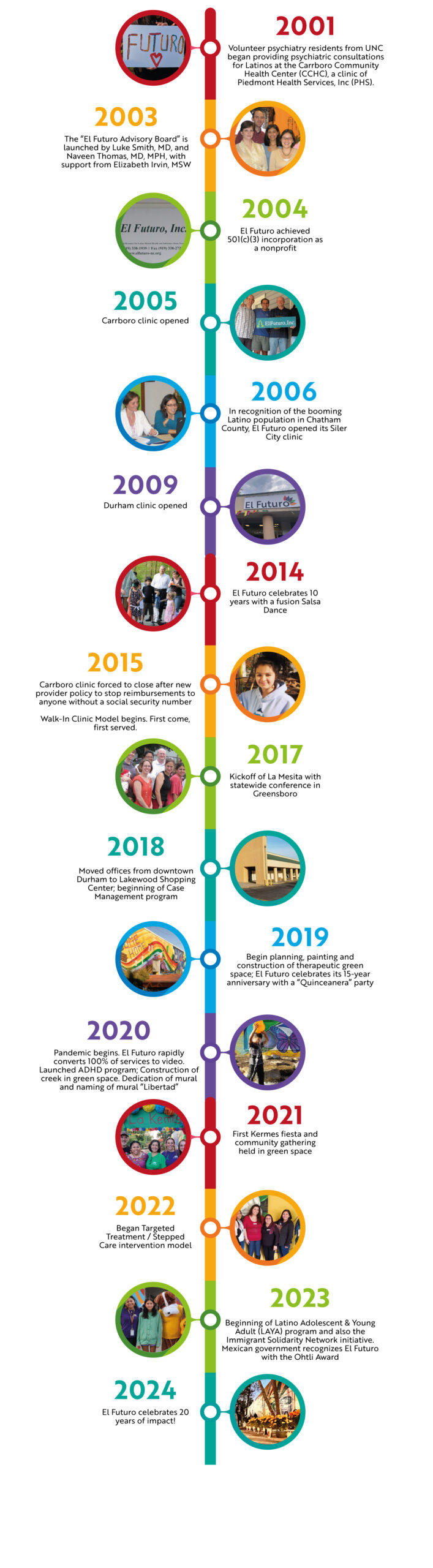
2024 marked El Futuro’s 20th anniversary of serving a resilient and brave community. During this time, we have realized that this work has not only been due to our efforts but also to all of you, the community, the people who support us, and the organizations that believe in our mission. This is a message of gratitude and a sample of the scope and impact of what together we make possible: caring for the mental health of the Latino population.
Let’s look back and look forward on where we’ve come and where we are going!
A letter from our Clinical Director, Lucy Vidal, on 20 years of El Futuro
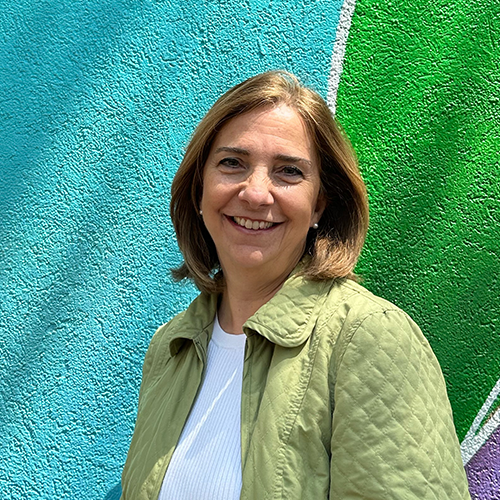 2024 allowed us to reflect on what we have accomplished in the past two decades and what we hope and dream of in the future. What lessons have we learned? What is our legacy for future generations?
This was the year that marked 20 years of El Futuro’s services to the Latino community and two decades of providing mental health services and substance use treatment to resilient and amazing Latino clients.
“El Futuro marked the end of a dark period and the rebirth of a woman who once lived among the shadows of violence and oppression. Before I came to El Futuro, my normality was pain; silence was my refuge, and shame was my constant companion. But thanks to therapy and the unwavering support of the clinic, I learned that the invisible scars of the mind can heal with the power of words and the courage to confront our own truths. In 2024, I witness my transformation: an empowered woman who challenges her fears, finds answers, and embraces her own light. To the El Futuro clinic, my eternal gratitude for lighting the path in the darkest moments of my life.”
“El Futuro has grown from a fledgling, volunteer-founded organization in 2004 to a staff of 70 providing services for more than 7,400 people annually through direct mental health treatment, mental health promotion and prevention activities in the community (including community fiestas that spark hope and pride in those who attend), capacity-building across North Carolina’s Latino mental health system statewide, and so much more. The positive impacts on thousands of families – kids who do better in school and have more opportunities for the future, parents who regain their hope for the future and gain better employment opportunities, families who create networks of support for themselves and their communities – simply wouldn’t be possible without the financial support of countless individuals, corporations, churches, partners, foundations, municipalities, and other public entities over the last 20 years. This history gives me such excitement, confidence, and hope that, with continued support from this generous community, exponentially more families will be nurtured back to hope and well-being in the next 20 years. I can’t wait to see what we can make possible together.”
El Futuro began as a volunteer effort and has grown thanks to the care of many individuals in the community. We want to hear from you! If you would like to share a memory you have of El Futuro’s first 20 years, please click on the button below to share your story with us.
Recent News at El Futuro
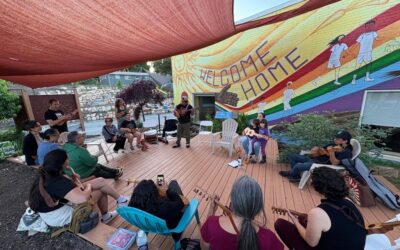
Healing Through Culture: From Global Strategy to Community Practice
In 2025, the World Health Organization (WHO) released its Global Traditional Medicine Strategy, affirming something many of our families have always known: healing does not begin and end in a...
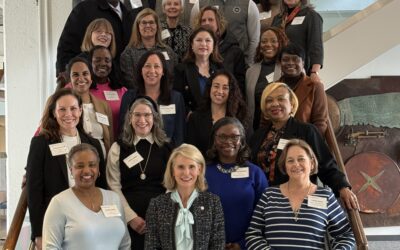
At the Table: How El Futuro Is Helping Shape North Carolina’s Healthcare Future
El Futuro’s work has always been rooted in community—walking alongside familias to support healing, resilience, and access to culturally responsive mental health care. Increasingly, that commitment...
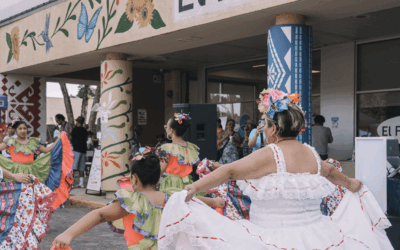
A Year of Growth and Resilience
At El Futuro, we believe healing begins in community. Our latest Annual Report reflects a year of growth, resilience, and deepened commitment to culturally responsive mental health care for Latino...
 Alvely Alcántara, LCSW
 Rossy C. Garcia, MEd
  Katy Sims, MD
  Everardo Aviles, LCSW, LCAS (Eve)
 As a medical anthropologist and social work researcher, Dr. Gulbas’ research embodies interdisciplinarity through the integration of applied theories of health and human development with qualitative and ethnographic methodologies. Her work seeks to understand how people—children, families, and providers—navigate complex sociocultural landscapes in the pursuit of mental health. Most of her work, to date, focuses attention on developing more robust interpretations of suicide risk. With funding from the National Institutes of Mental Health, this body of research has contributed to advancements in theoretical and empirical knowledge of the broader contexts within which youth suicide risk is situated.
  R. Gabriela Barajas-Gonzalez is a developmental psychologist and an assistant professor of Population Health at NYU Grossman School of Medicine. Dr. Barajas-Gonzalez is the principal investigator of a study that examines the impact of immigration-related threat and stress on school communities. She earned a PhD in developmental psychology from Columbia University and hold a BA in human biology from Stanford University. Dr. Barajas-Gonzalez is the daughter of Mexican immigrants and a first gen college student.
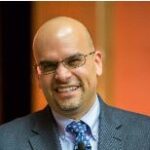 Dr. Parra-Cardona is an Associate Professor in the Steve Hicks School of Social Work (SHSSW) at the University of Texas at Austin. At the SHSSW, he serves as Coordinator for Mexico and Latin American initiatives. He also serves as Area Director for Research at the UT Austin Latino Research Institute. Dr. Parra-Cardona’s program of research is focused on the cultural adaptation of evidence-based parenting interventions for low-income Latinx populations in the US and Latin America.
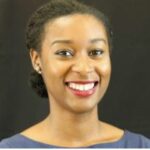 Bianka Reese, PhD, MSPH is a research scientist and program evaluator specializing in adolescent and young adult sexual and reproductive health. Her previous research in the experiences of Latinx LGBTQ+ youth stems from her work as the Research and Evaluation Manager at SHIFT NC (Sexual Initiatives For Teens), where she led largescale evaluations of multilevel, community-based sexual health promotion initiatives and research projects aimed at elevating the voices of diverse youth in North Carolina. Dr. Reese is currently the Senior Research Strategist at Creative Research Solutions, LLC, an award-winning national evaluation, research, and assessment firm.
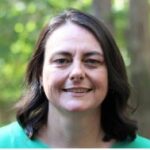 Tania Connaughton-Espino, MPH is an independent researcher focused on adolescent and young adult sexual and reproductive health. Her interest in the experiences of Latinx LGBTQ+ youth stems from her previous work with SHIFT NC (Sexual Initiatives For Teens), where she led the training and evaluation department, conducted capacity-building workshops for youth serving professionals including on the topic of how to be more affirming of LGBTQ youth, and from her extensive experience working with the Latinx population in NC.
 Maru Gonzalez, EdD is an Assistant Professor and Youth Development Specialist in the Department of Agricultural and Human Sciences at North Carolina State University. Her areas of inquiry include youth development with a focus on activism, social justice, and the experiences of LGBTQ+ young people across familial, school, and community contexts.
  Nayeli Y. Chavez-Dueñas, PhD
 Hector Y. Adames, PsyD