
 Sometimes healing begins with something very simple: a chance to rest.
For years, mental health advocate and longtime El Futuro friend Norma Martí carried a dream in her heart. While working with Latino families raising children with disabilities and neurodivergent diagnoses, she listened to parents navigate overwhelming responsibilities, isolation, and exhaustion. At the end of a series of trainings she led, one mother approached her with a request that Norma never forgot:
“I just want to sleep through one full night.”
That moment planted the seed for what would later become RESPIRO: Casa Abuelita.
Over the next decade, Norma continued thinking about how to create a space where mothers caring for children with special needs could step away from daily responsibilities, reconnect with themselves, and experience true rest. During the COVID-19 pandemic, she discovered the healing power of the North Carolina coast and imagined what it would mean to share that experience with caregivers who rarely have time for themselves.
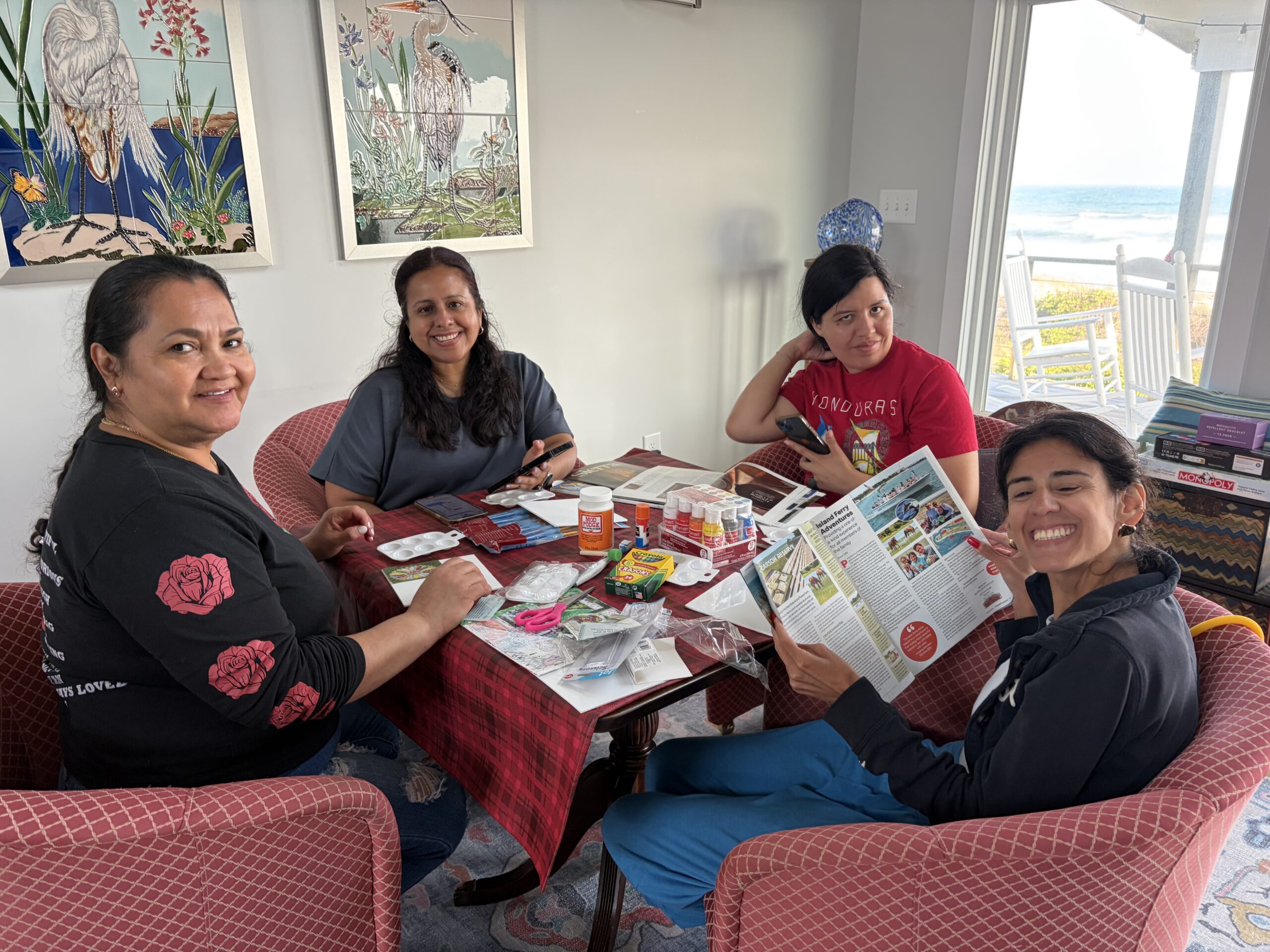
In 2024, that dream became reality when Norma organized the first Casa Abuelita weekends. The impact was immediate and profound.
Then, thanks to the generosity of Annie Sullivan Enterprise, LLC this two retreats opened the doors again! With the generosity of supporters of El Futuro’s 2025 End-of-Year Campaign, that vision will continue to grow with additional RESPIROS later this year and in 2027!
These weekends offered something many caregivers had not experienced in years: uninterrupted sleep, meaningful connection, opportunities for reflection, and permission to focus on their own well-being.
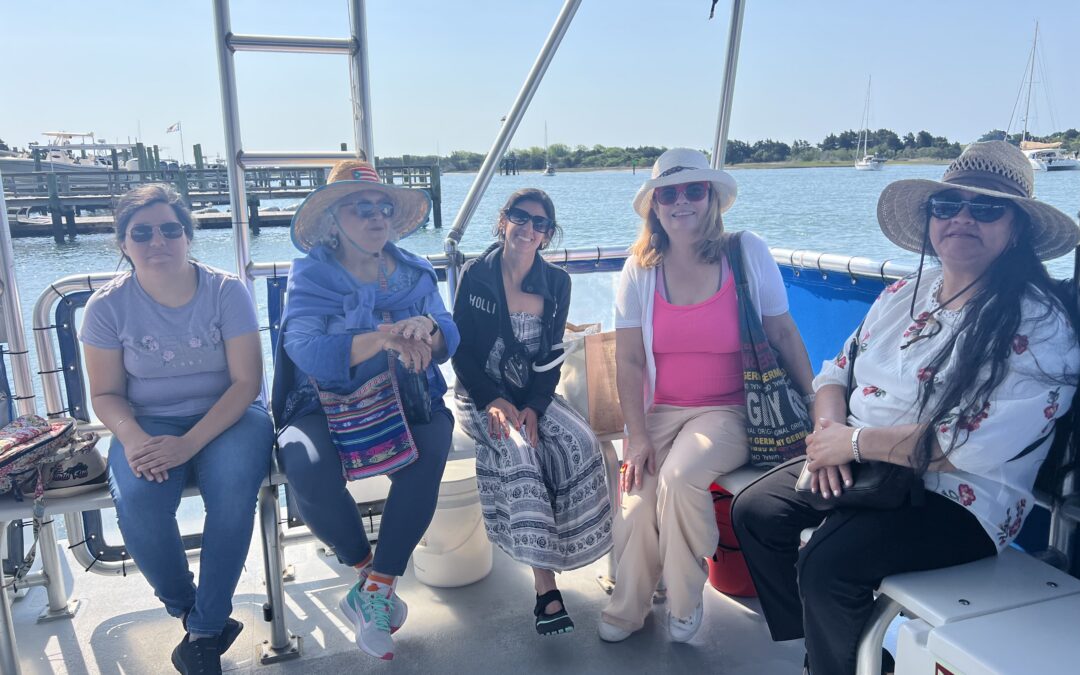
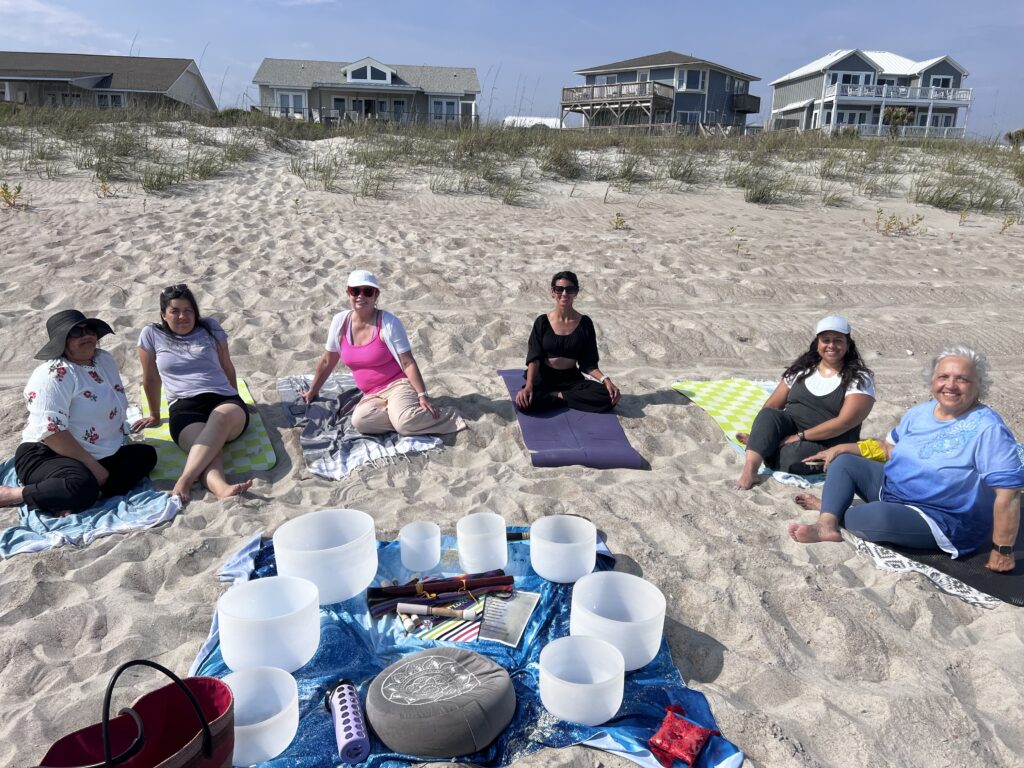
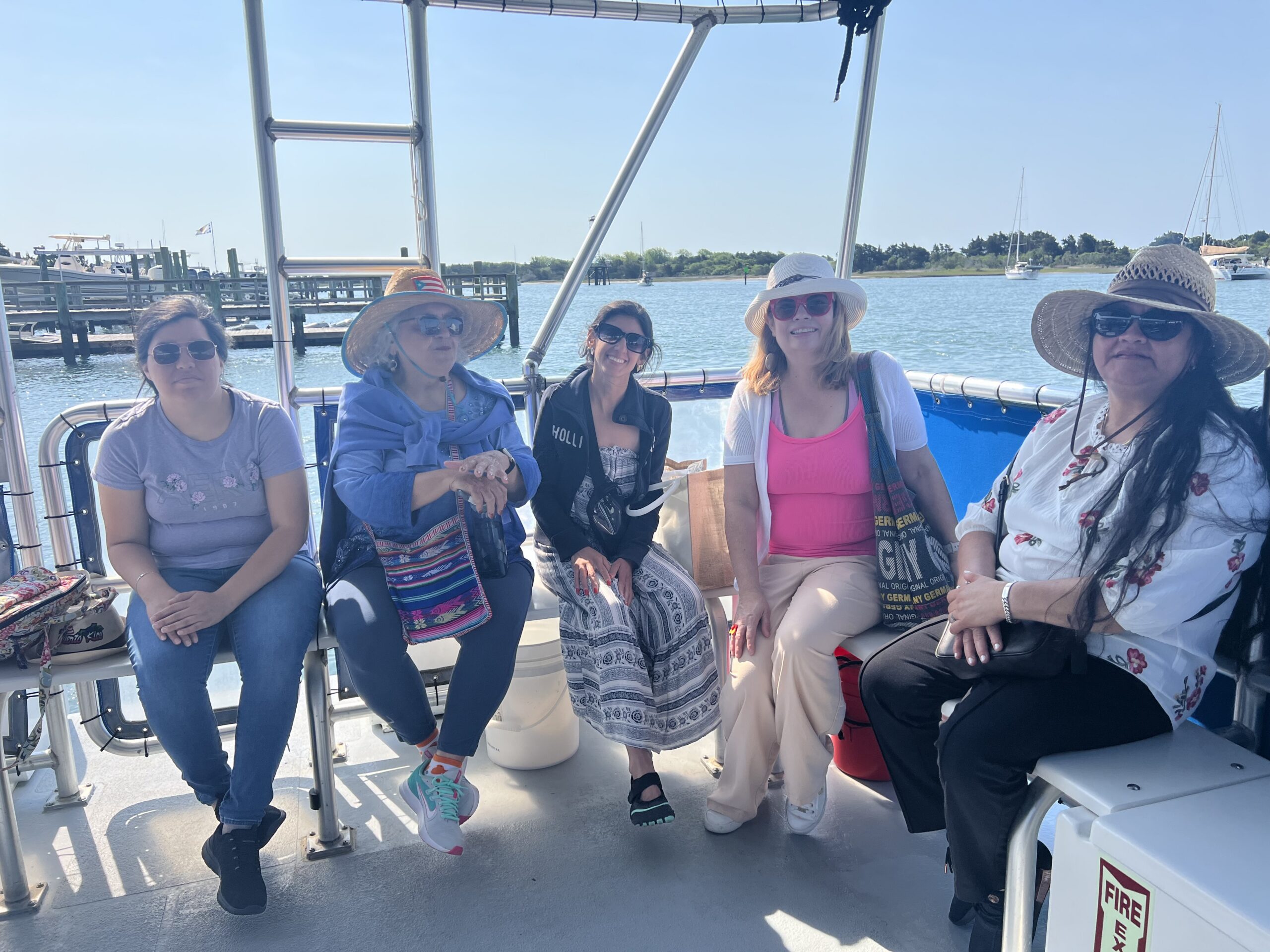
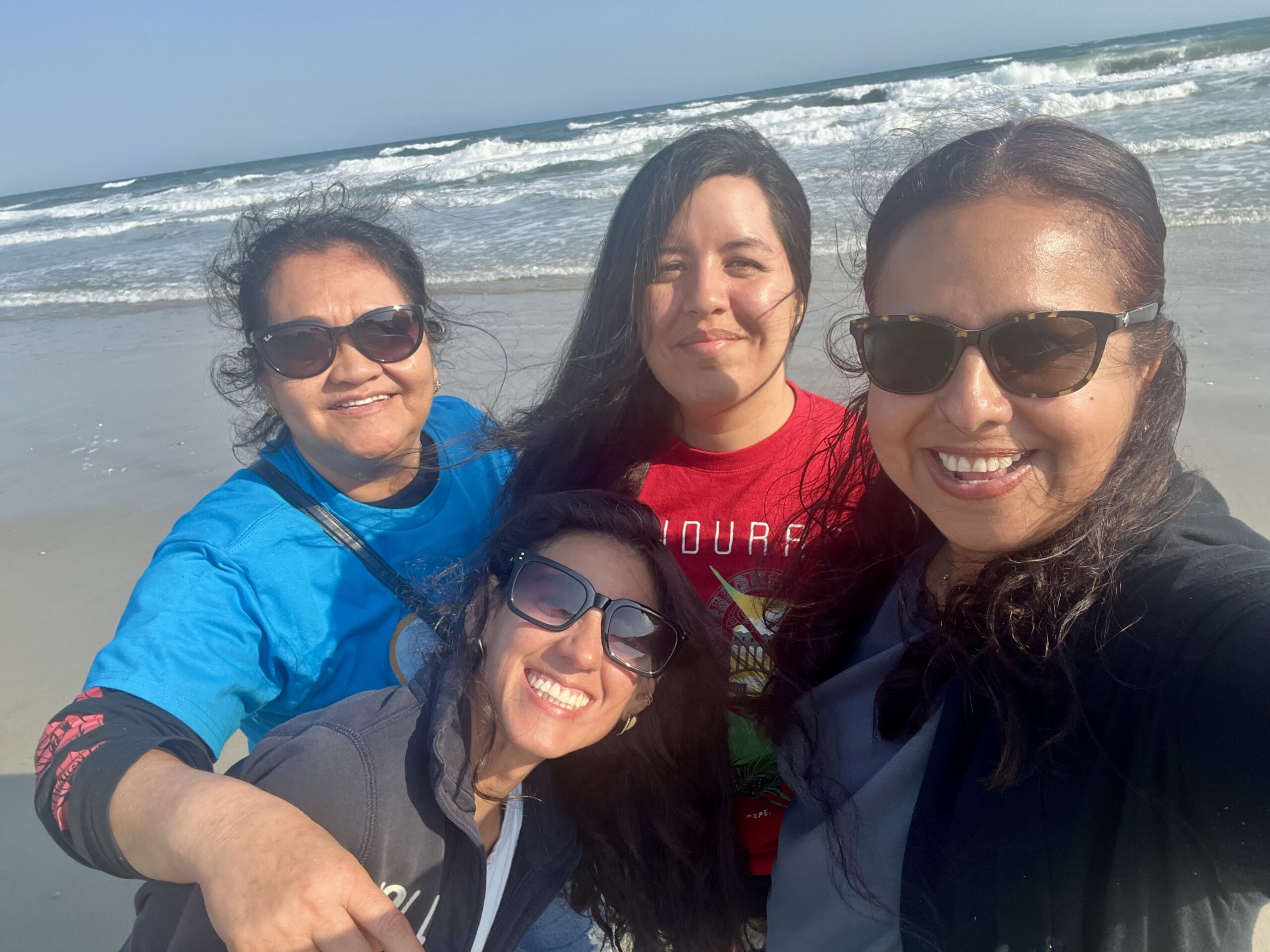
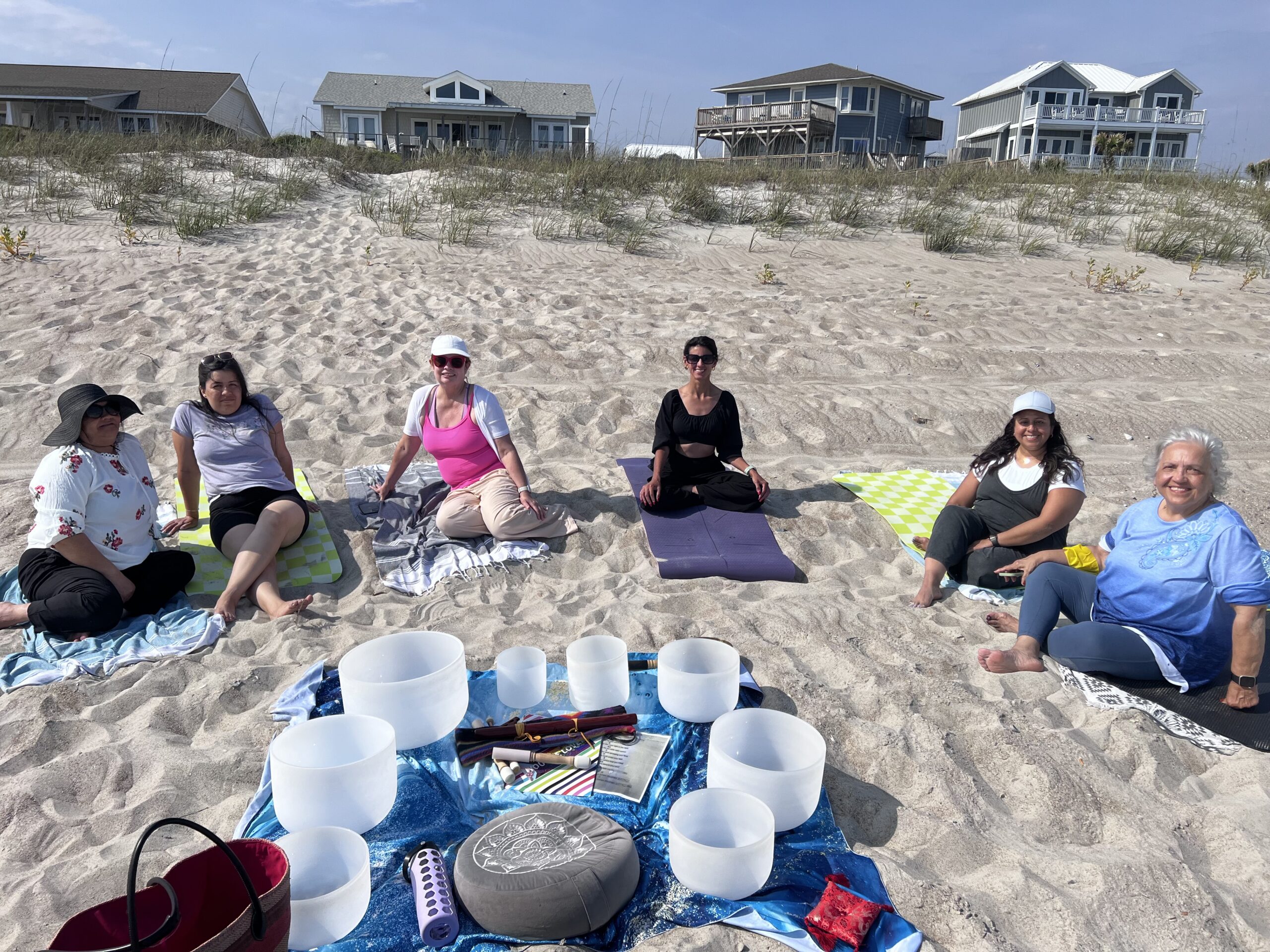
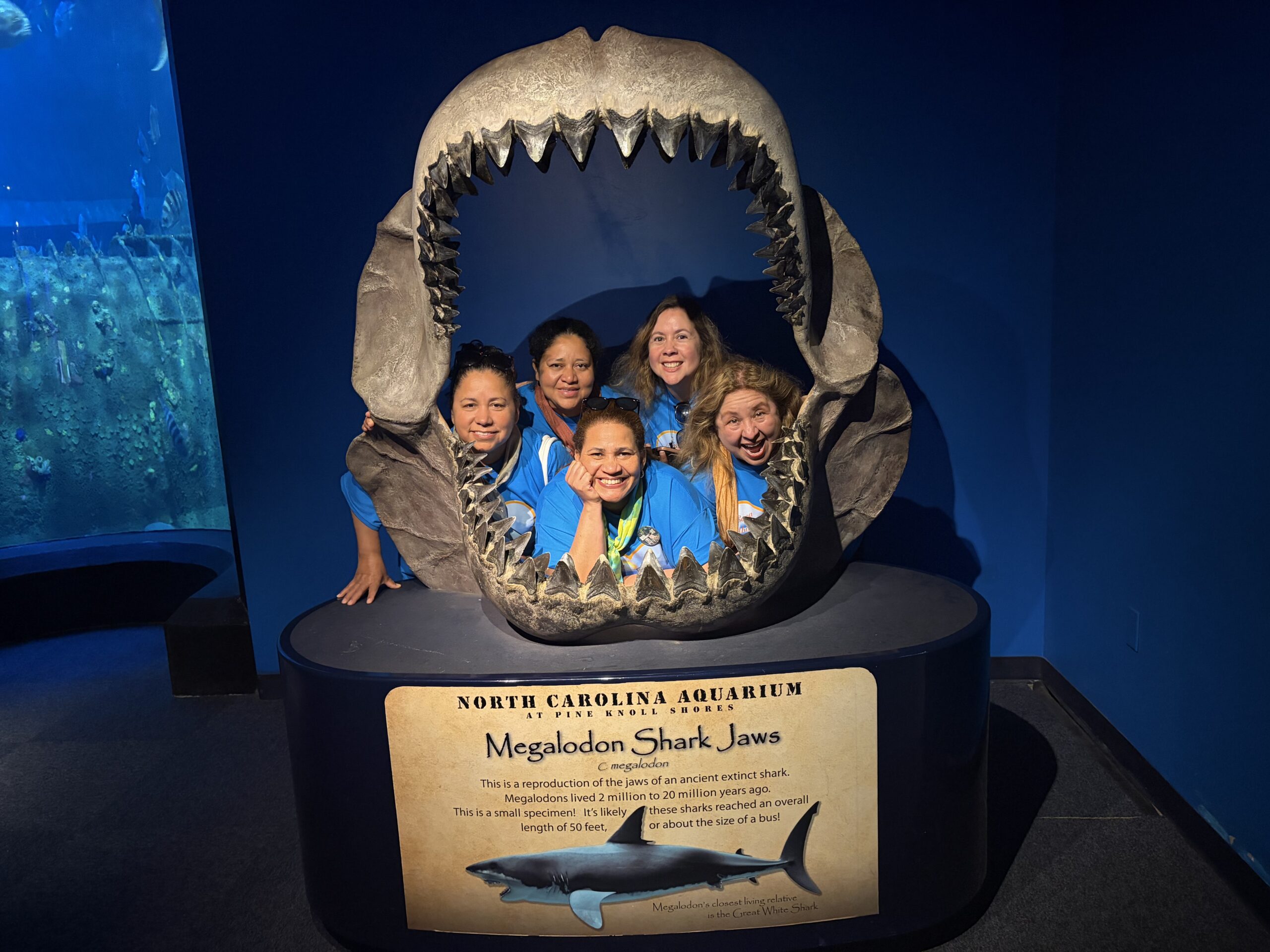
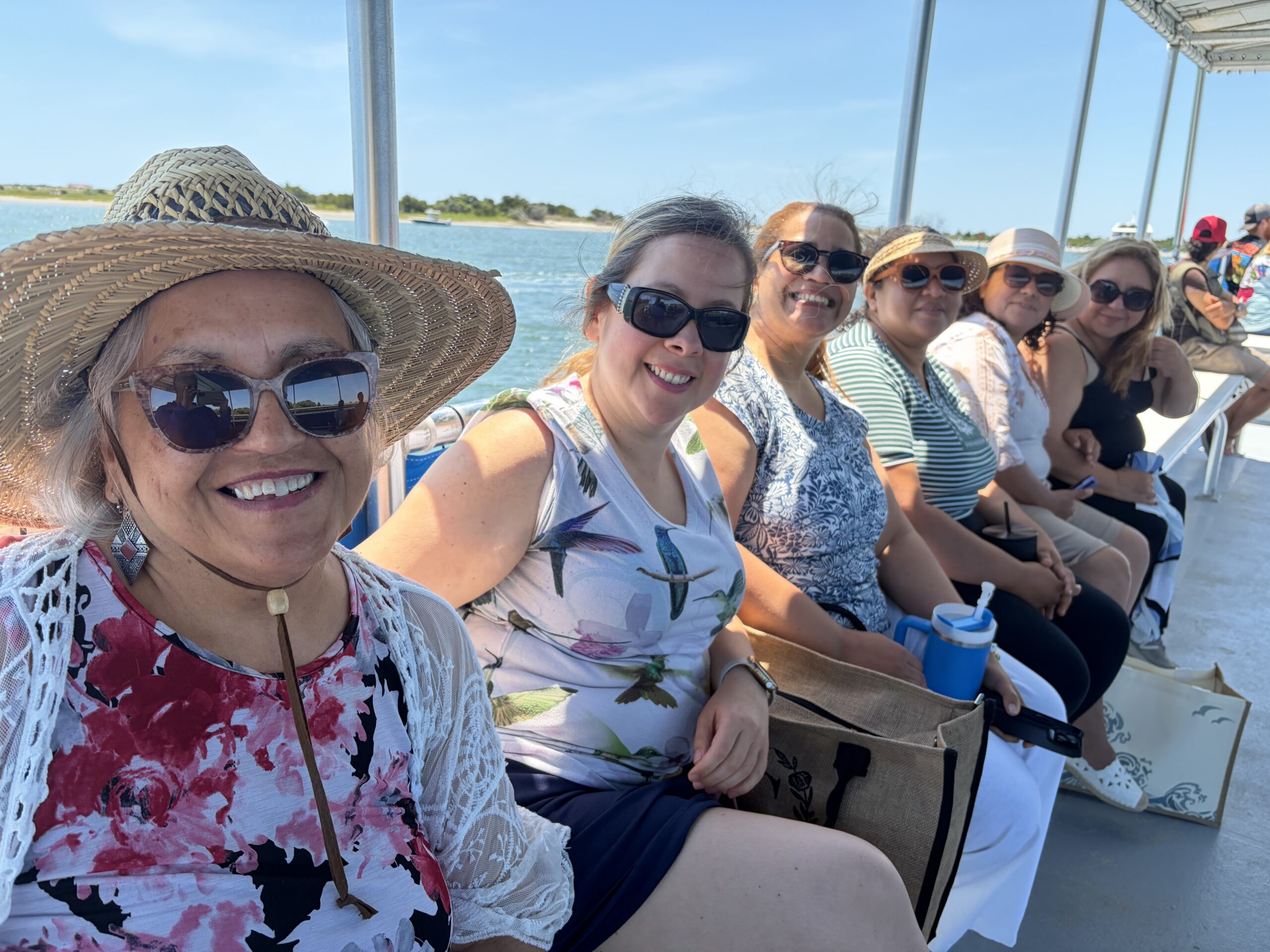
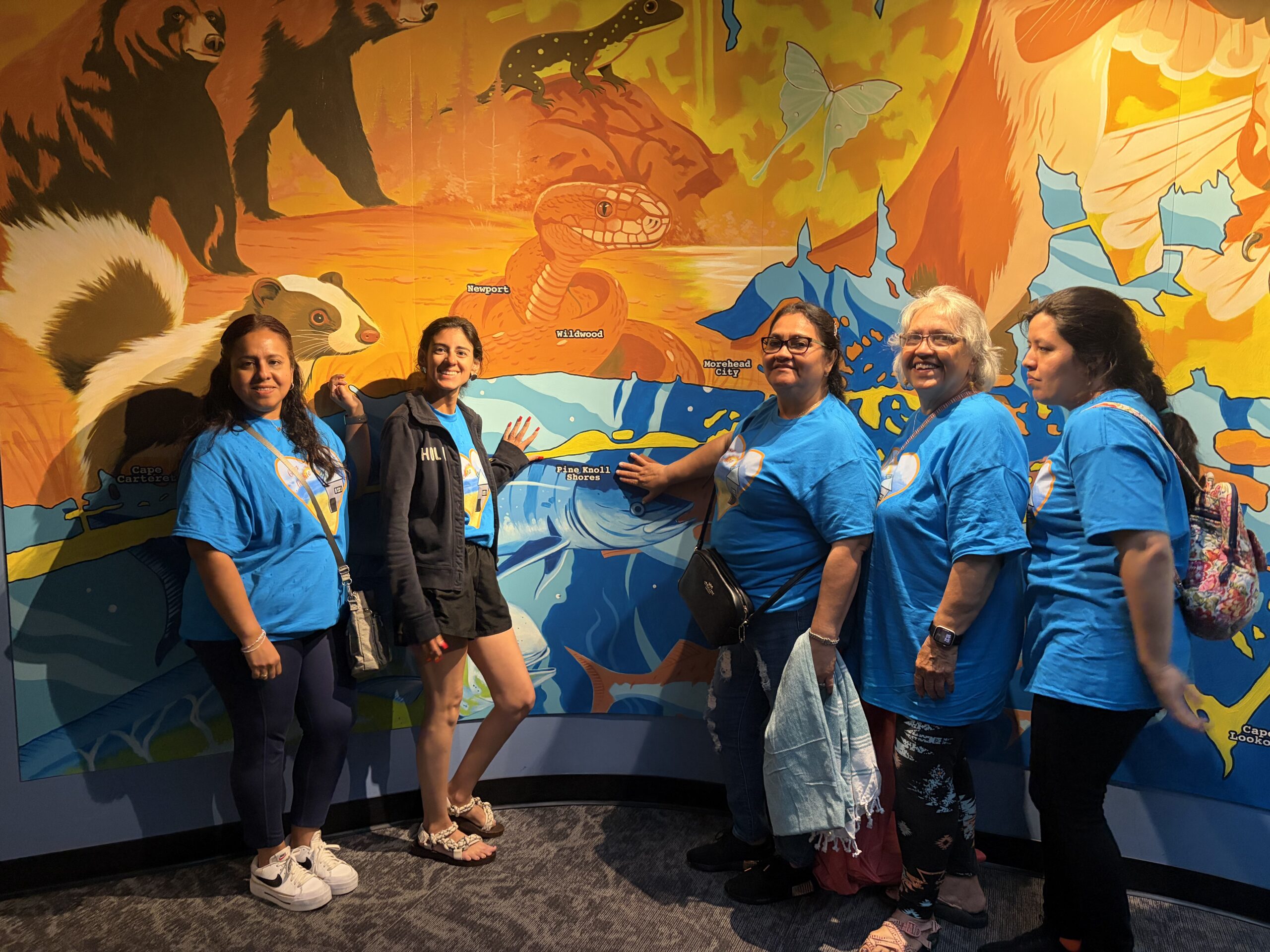
Norma lovingly serves as the program’s “Abuelita.” She prepares meals, organizes activities, and creates a welcoming environment where mothers can simply breathe. Participants spent time resting, sharing stories, practicing mindfulness, engaging in creative activities, enjoying the beauty of the coast, and building friendships with other women facing similar challenges.
Perhaps the most meaningful outcome was that participants discovered they were not alone.
Many of these mothers spend years advocating for their children while carrying tremendous emotional and physical demands. Through Casa Abuelita, they found community, learned strategies to reduce stress and anxiety, and connected with resources that can support their families long after the weekend ends.
The impact is best captured in their own words:
“The peace this experience gave me… and the friendships I made.”
“One night for me—the first in ten years.”
“I learned how to relax and remember that I am important, too.”
For Norma, one moment stands out above all others: seeing the same mother whose request inspired the dream ten years ago finally attend a retreat herself. It was a powerful reminder that meaningful change often begins with listening.
At El Futuro, we believe mental health extends beyond clinical care. It includes creating opportunities for connection, rest, healing, and community. RESPIRO: Casa Abuelita reflects that belief in action.
To everyone who contributed to our 2025 End-of-Year Campaign: thank you. Your generosity helped transform a dream into an experience that brought peace, dignity, and renewal to caregivers who give so much of themselves every day. Thank you for helping make this journey possible.
 Alvely Alcántara, LCSW
 Rossy C. Garcia, MEd
  Katy Sims, MD
  Everardo Aviles, LCSW, LCAS (Eve)
 As a medical anthropologist and social work researcher, Dr. Gulbas’ research embodies interdisciplinarity through the integration of applied theories of health and human development with qualitative and ethnographic methodologies. Her work seeks to understand how people—children, families, and providers—navigate complex sociocultural landscapes in the pursuit of mental health. Most of her work, to date, focuses attention on developing more robust interpretations of suicide risk. With funding from the National Institutes of Mental Health, this body of research has contributed to advancements in theoretical and empirical knowledge of the broader contexts within which youth suicide risk is situated.
  R. Gabriela Barajas-Gonzalez is a developmental psychologist and an assistant professor of Population Health at NYU Grossman School of Medicine. Dr. Barajas-Gonzalez is the principal investigator of a study that examines the impact of immigration-related threat and stress on school communities. She earned a PhD in developmental psychology from Columbia University and hold a BA in human biology from Stanford University. Dr. Barajas-Gonzalez is the daughter of Mexican immigrants and a first gen college student.
 Dr. Parra-Cardona is an Associate Professor in the Steve Hicks School of Social Work (SHSSW) at the University of Texas at Austin. At the SHSSW, he serves as Coordinator for Mexico and Latin American initiatives. He also serves as Area Director for Research at the UT Austin Latino Research Institute. Dr. Parra-Cardona’s program of research is focused on the cultural adaptation of evidence-based parenting interventions for low-income Latinx populations in the US and Latin America.
 Bianka Reese, PhD, MSPH is a research scientist and program evaluator specializing in adolescent and young adult sexual and reproductive health. Her previous research in the experiences of Latinx LGBTQ+ youth stems from her work as the Research and Evaluation Manager at SHIFT NC (Sexual Initiatives For Teens), where she led largescale evaluations of multilevel, community-based sexual health promotion initiatives and research projects aimed at elevating the voices of diverse youth in North Carolina. Dr. Reese is currently the Senior Research Strategist at Creative Research Solutions, LLC, an award-winning national evaluation, research, and assessment firm.
 Tania Connaughton-Espino, MPH is an independent researcher focused on adolescent and young adult sexual and reproductive health. Her interest in the experiences of Latinx LGBTQ+ youth stems from her previous work with SHIFT NC (Sexual Initiatives For Teens), where she led the training and evaluation department, conducted capacity-building workshops for youth serving professionals including on the topic of how to be more affirming of LGBTQ youth, and from her extensive experience working with the Latinx population in NC.
 Maru Gonzalez, EdD is an Assistant Professor and Youth Development Specialist in the Department of Agricultural and Human Sciences at North Carolina State University. Her areas of inquiry include youth development with a focus on activism, social justice, and the experiences of LGBTQ+ young people across familial, school, and community contexts.
  Nayeli Y. Chavez-Dueñas, PhD
 Hector Y. Adames, PsyD