
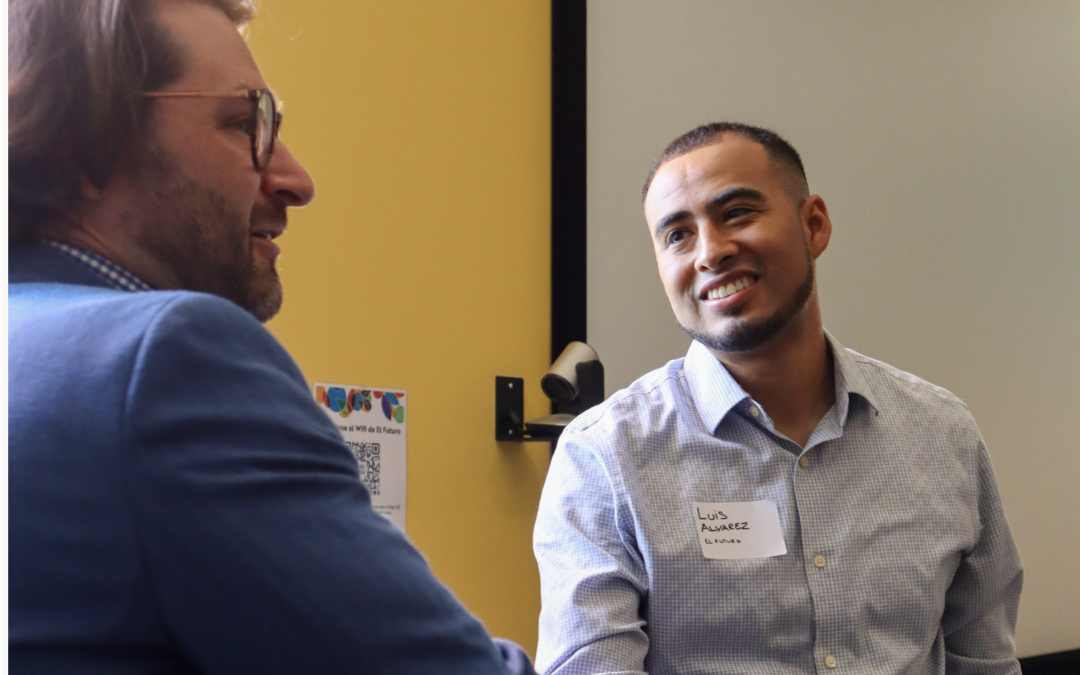
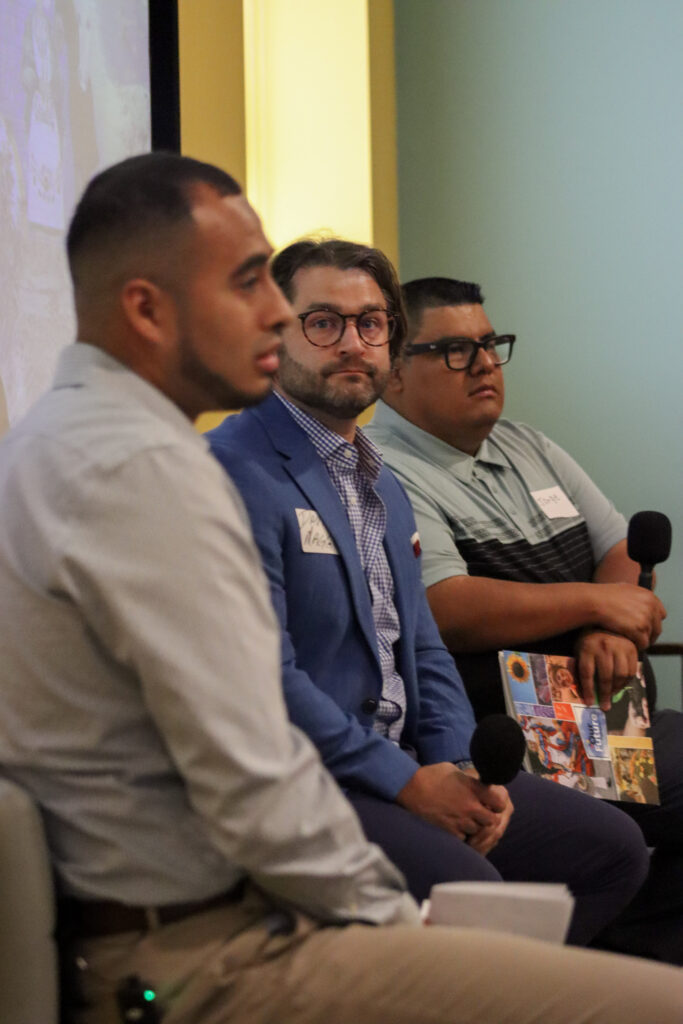
 Construction workers face some of the highest rates of substance use disorders and overdose deaths of any workforce sector in the United States. Addressing these challenges requires collaboration across industries, and on May 21, El Futuro brought together construction executives, safety professionals, and behavioral health experts to discuss solutions that support worker well-being and strengthen the industry’s future.
Hosted by El Futuro and sponsored by ALCON Group and Talbert Building Supply, the event focused on practical strategies to prevent substance use, improve mental health support, and create safer job sites across North Carolina.
The discussion highlighted the significant impact substance use disorders have on the construction workforce. National data shows that approximately one in seven construction workers lives with a substance use disorder, while the industry continues to experience one of the highest overdose death rates among all workforce sectors. Beyond the personal toll on workers and families, these challenges affect workplace safety, employee retention, productivity, and long-term business success.
Panelists emphasized that mental health and substance use prevention are not solely healthcare concerns—they are workforce issues that require industry-wide action.
“El Futuro is working alongside industry leaders to build practical solutions that meet workers where they are,” said Luis Alvarez, El Futuro Board Member and construction business owner. “This conversation was about moving beyond awareness and toward action; creating safer job sites, healthier workers, and stronger companies.”
Throughout the event, speakers shared strategies that organizations can integrate into their workplace culture and safety programs, including prevention education, toolbox talks, training for supervisors and safety managers, stronger response protocols, and improved access to bilingual and culturally responsive care.
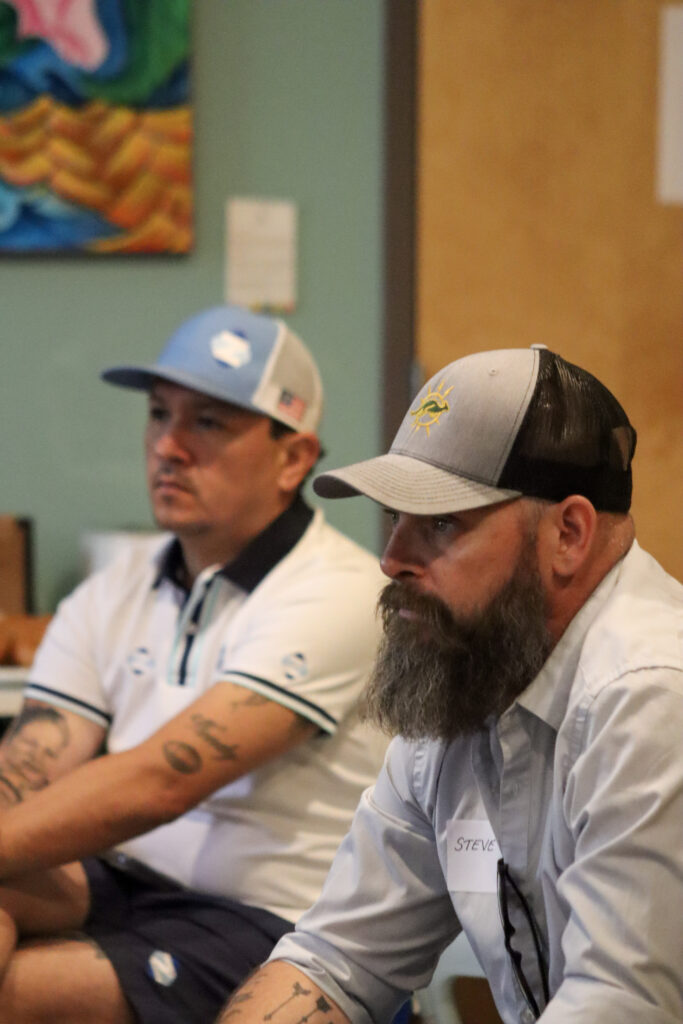 The conversation also highlighted the growing partnership between the construction industry and behavioral health organizations. As a statewide leader in culturally responsive mental health and substance use services, El Futuro is expanding prevention and workforce support efforts beyond traditional clinical settings through partnerships with employers, public agencies, and community organizations. Today, El Futuro serves individuals and families in more than 60 counties across North Carolina.
Participants were also invited to learn more about El Futuro’s Partner Club initiative, which aims to strengthen prevention efforts and promote long-term collaboration among construction leaders, employers, healthcare providers, and community partners.
Research shows that substance use disorders contribute to higher workplace accident rates, absenteeism, turnover, and billions of dollars in lost productivity each year. At the same time, investments in prevention, early intervention, and treatment have been shown to improve employee retention, reduce injuries, and support healthier, more productive workplaces.
“This is about building an industry where workers can thrive,” Alvarez said. “Real change will require partnerships between healthcare providers, employers, safety leaders, and communities—and that work is already beginning.”
By bringing together leaders from construction, safety, and behavioral health, El Futuro continues to advance conversations that lead to meaningful action, helping create safer workplaces and healthier communities across North Carolina.
 Alvely Alcántara, LCSW
 Rossy C. Garcia, MEd
  Katy Sims, MD
  Everardo Aviles, LCSW, LCAS (Eve)
 As a medical anthropologist and social work researcher, Dr. Gulbas’ research embodies interdisciplinarity through the integration of applied theories of health and human development with qualitative and ethnographic methodologies. Her work seeks to understand how people—children, families, and providers—navigate complex sociocultural landscapes in the pursuit of mental health. Most of her work, to date, focuses attention on developing more robust interpretations of suicide risk. With funding from the National Institutes of Mental Health, this body of research has contributed to advancements in theoretical and empirical knowledge of the broader contexts within which youth suicide risk is situated.
  R. Gabriela Barajas-Gonzalez is a developmental psychologist and an assistant professor of Population Health at NYU Grossman School of Medicine. Dr. Barajas-Gonzalez is the principal investigator of a study that examines the impact of immigration-related threat and stress on school communities. She earned a PhD in developmental psychology from Columbia University and hold a BA in human biology from Stanford University. Dr. Barajas-Gonzalez is the daughter of Mexican immigrants and a first gen college student.
 Dr. Parra-Cardona is an Associate Professor in the Steve Hicks School of Social Work (SHSSW) at the University of Texas at Austin. At the SHSSW, he serves as Coordinator for Mexico and Latin American initiatives. He also serves as Area Director for Research at the UT Austin Latino Research Institute. Dr. Parra-Cardona’s program of research is focused on the cultural adaptation of evidence-based parenting interventions for low-income Latinx populations in the US and Latin America.
 Bianka Reese, PhD, MSPH is a research scientist and program evaluator specializing in adolescent and young adult sexual and reproductive health. Her previous research in the experiences of Latinx LGBTQ+ youth stems from her work as the Research and Evaluation Manager at SHIFT NC (Sexual Initiatives For Teens), where she led largescale evaluations of multilevel, community-based sexual health promotion initiatives and research projects aimed at elevating the voices of diverse youth in North Carolina. Dr. Reese is currently the Senior Research Strategist at Creative Research Solutions, LLC, an award-winning national evaluation, research, and assessment firm.
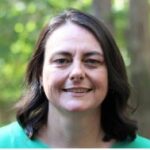 Tania Connaughton-Espino, MPH is an independent researcher focused on adolescent and young adult sexual and reproductive health. Her interest in the experiences of Latinx LGBTQ+ youth stems from her previous work with SHIFT NC (Sexual Initiatives For Teens), where she led the training and evaluation department, conducted capacity-building workshops for youth serving professionals including on the topic of how to be more affirming of LGBTQ youth, and from her extensive experience working with the Latinx population in NC.
 Maru Gonzalez, EdD is an Assistant Professor and Youth Development Specialist in the Department of Agricultural and Human Sciences at North Carolina State University. Her areas of inquiry include youth development with a focus on activism, social justice, and the experiences of LGBTQ+ young people across familial, school, and community contexts.
  Nayeli Y. Chavez-Dueñas, PhD
 Hector Y. Adames, PsyD