
 In the wake of the devastating impacts of Hurricane Helene on western North Carolina and recently in Florida after Hurricane Milton, our hearts are heavy. The destruction we have heard about and seen through the news and social media, as well as our staff’s family members, friends, and partners across North Carolina is overwhelming– but we know that the Latino community is resilient and strong. Communities are already pulling together to support those in need, and we are committed to doing the same.
In North Carolina, El Futuro is actively working with the NC Office of Rural Health to offer telehealth support through Farmworker Health sites, helping ensure that mental health services remain accessible in these trying times. We’ve also established stand-up meetings with our leadership team to continuously assess the situation and coordinate efforts with our partners at Alliance and UNCG in WNC as they continue to try to support the Latino community while dealing with their losses in the area.
We know that the road to recovery will be long and challenging, but we are in this together. Our team is familiar with various organizations working on the ground. If you want to help the community in WNC you can do it through the incredible organizations listed at the bottom of this letter.
While we know the importance of immediate action, we also want to take a moment to recognize how you may be feeling as you are reading this statement.
The emotional impact of a hurricane can be overwhelming, but there are ways to manage stress and take care of your mental health during this difficult time:
- Take Breaks from the News: While staying informed is important, continuously consuming news about the disaster can increase stress. Make time to disconnect and focus on other activities.
- Reach Out for Support: Talk to friends, family, or community members. Sharing your feelings and experiences can help reduce the emotional burden.
- Practice Deep Breathing: When stress feels overwhelming, take a few minutes to practice deep breathing exercises to calm your body and mind. Even just a few minutes of mindful breathing can help reduce anxiety.
- Stick to Your Routine: Try to maintain regular routines, especially for children. A structure can help create a sense of stability during uncertain times.
- Access Mental Health Resources: If the stress becomes too much to handle, don’t hesitate to reach out to a mental health professional for support. Many services, like telehealth counseling, are available even during disasters.
If you have suggestions or requests on how El Futuro can further support those affected in WNC, please contact us here. Together, we can help rebuild and provide the necessary support to those who need it most.
We will continue to share updates and ways to help as we work alongside our partners and our community. Thank you for standing with us and the vibrant Latino community of western North Carolina during this time.
CULLOWHEE
- Vecinos
www.vecinos.org
Contact: (828) 707-3848
HENDERSONVILLE
- Tierra Fertil
www.tierrafertilcooperativa.com
Contact: (828) 808-5583, (336) 906-9498 - True Ridge
www.trueridge.org
Contact: (828) 551-2064
MARION
- Centro Unido Latino Americano
www.culawnc.org
Contact: (828) 652-0727
MORGANTON
- Western NC Workers Center
www.wncworkerscenter.org
Contact: (828) 409-4834
SYLVA
- Unidxs WNC
www.unidxswnc.org
Contact: (828) 242-7345
Unixs’ GoFundMe for WNC after Hurricane Helene
WATAUGA
- Immigrant Justice Coalition
Contact: (828) 537-2688 - Q’Pasa Appalachia
Contact: (828) 278-9302
ASHEVILLE
- Compañeros Inmigrantes de las Montañas en Acción (CIMA)
www.cimawnc.org
Contact: (305) 710-3993, (828) 545-7223 - Comité Popular de Asheville por la Justicia Social
Contact: (828) 273-9000 - JMPro
www.jmprocommunitymedia.org
Contact: (828) 384-0454
OTHER WAYS TO HELP
For those needing assistance, the following resources are available:
- A guide for filing FEMA Assistance from the NC Department of Insurance:
FEMA Assistance Guide - Legal Aid NC
https://legalaidnc.org/tropical-storm-helene-disaster-assistance/ - Map of People Needing Urgent Help and Supplies
https://www.reddit.com/r/NorthCarolina/comments/1fug83p/map_of_people_who_need_urgent_help_supplies_or/
 Alvely Alcántara, LCSW
 Rossy C. Garcia, MEd
  Katy Sims, MD
 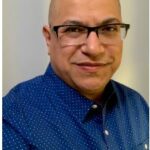 Everardo Aviles, LCSW, LCAS (Eve)
 As a medical anthropologist and social work researcher, Dr. Gulbas’ research embodies interdisciplinarity through the integration of applied theories of health and human development with qualitative and ethnographic methodologies. Her work seeks to understand how people—children, families, and providers—navigate complex sociocultural landscapes in the pursuit of mental health. Most of her work, to date, focuses attention on developing more robust interpretations of suicide risk. With funding from the National Institutes of Mental Health, this body of research has contributed to advancements in theoretical and empirical knowledge of the broader contexts within which youth suicide risk is situated.
  R. Gabriela Barajas-Gonzalez is a developmental psychologist and an assistant professor of Population Health at NYU Grossman School of Medicine. Dr. Barajas-Gonzalez is the principal investigator of a study that examines the impact of immigration-related threat and stress on school communities. She earned a PhD in developmental psychology from Columbia University and hold a BA in human biology from Stanford University. Dr. Barajas-Gonzalez is the daughter of Mexican immigrants and a first gen college student.
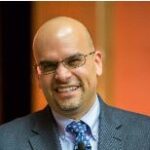 Dr. Parra-Cardona is an Associate Professor in the Steve Hicks School of Social Work (SHSSW) at the University of Texas at Austin. At the SHSSW, he serves as Coordinator for Mexico and Latin American initiatives. He also serves as Area Director for Research at the UT Austin Latino Research Institute. Dr. Parra-Cardona’s program of research is focused on the cultural adaptation of evidence-based parenting interventions for low-income Latinx populations in the US and Latin America.
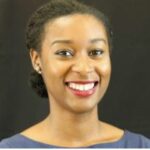 Bianka Reese, PhD, MSPH is a research scientist and program evaluator specializing in adolescent and young adult sexual and reproductive health. Her previous research in the experiences of Latinx LGBTQ+ youth stems from her work as the Research and Evaluation Manager at SHIFT NC (Sexual Initiatives For Teens), where she led largescale evaluations of multilevel, community-based sexual health promotion initiatives and research projects aimed at elevating the voices of diverse youth in North Carolina. Dr. Reese is currently the Senior Research Strategist at Creative Research Solutions, LLC, an award-winning national evaluation, research, and assessment firm.
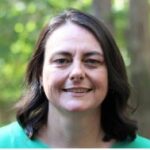 Tania Connaughton-Espino, MPH is an independent researcher focused on adolescent and young adult sexual and reproductive health. Her interest in the experiences of Latinx LGBTQ+ youth stems from her previous work with SHIFT NC (Sexual Initiatives For Teens), where she led the training and evaluation department, conducted capacity-building workshops for youth serving professionals including on the topic of how to be more affirming of LGBTQ youth, and from her extensive experience working with the Latinx population in NC.
 Maru Gonzalez, EdD is an Assistant Professor and Youth Development Specialist in the Department of Agricultural and Human Sciences at North Carolina State University. Her areas of inquiry include youth development with a focus on activism, social justice, and the experiences of LGBTQ+ young people across familial, school, and community contexts.
  Nayeli Y. Chavez-Dueñas, PhD
 Hector Y. Adames, PsyD