
Green Space Revitalization
Why We Build this Space
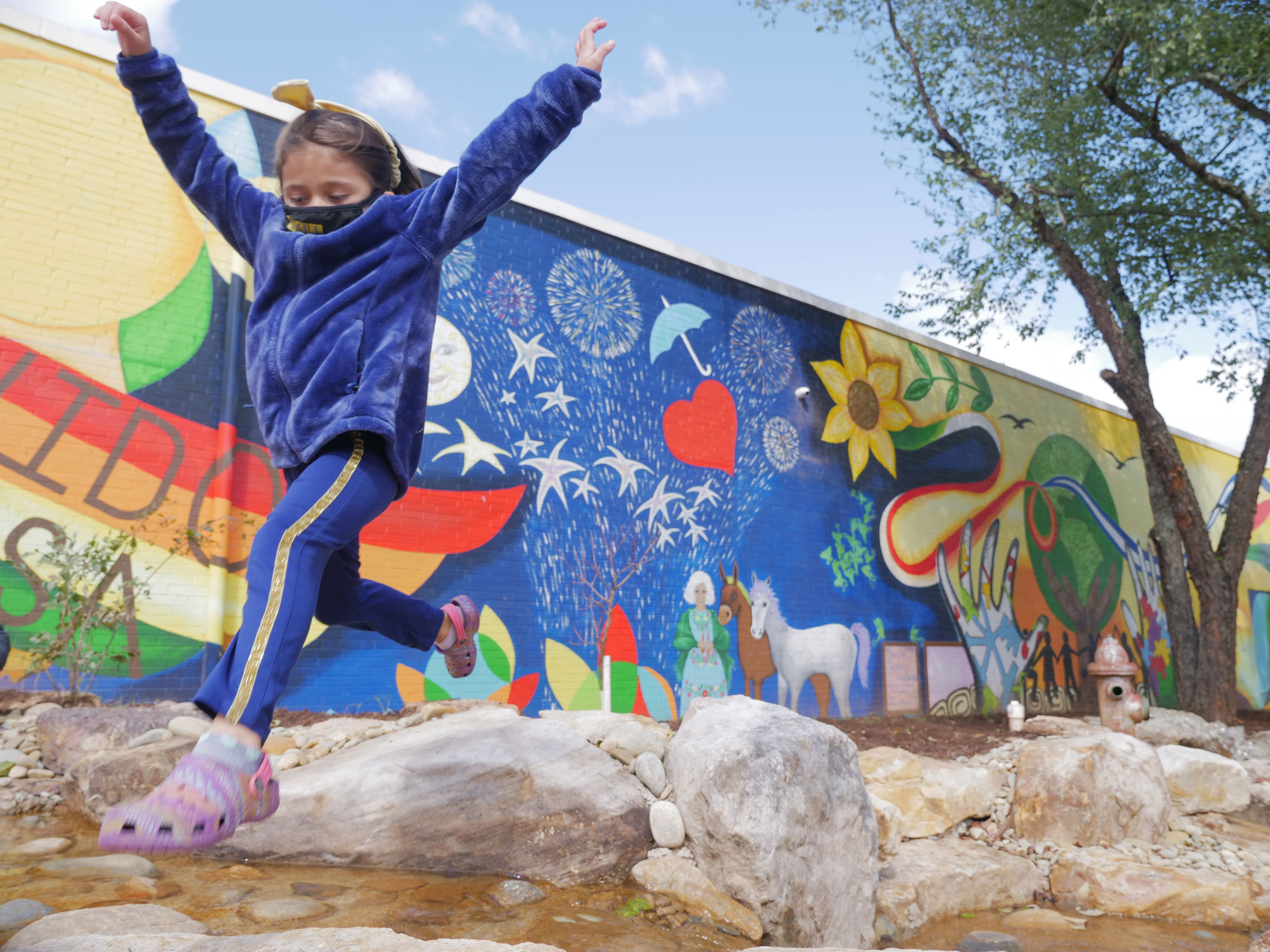
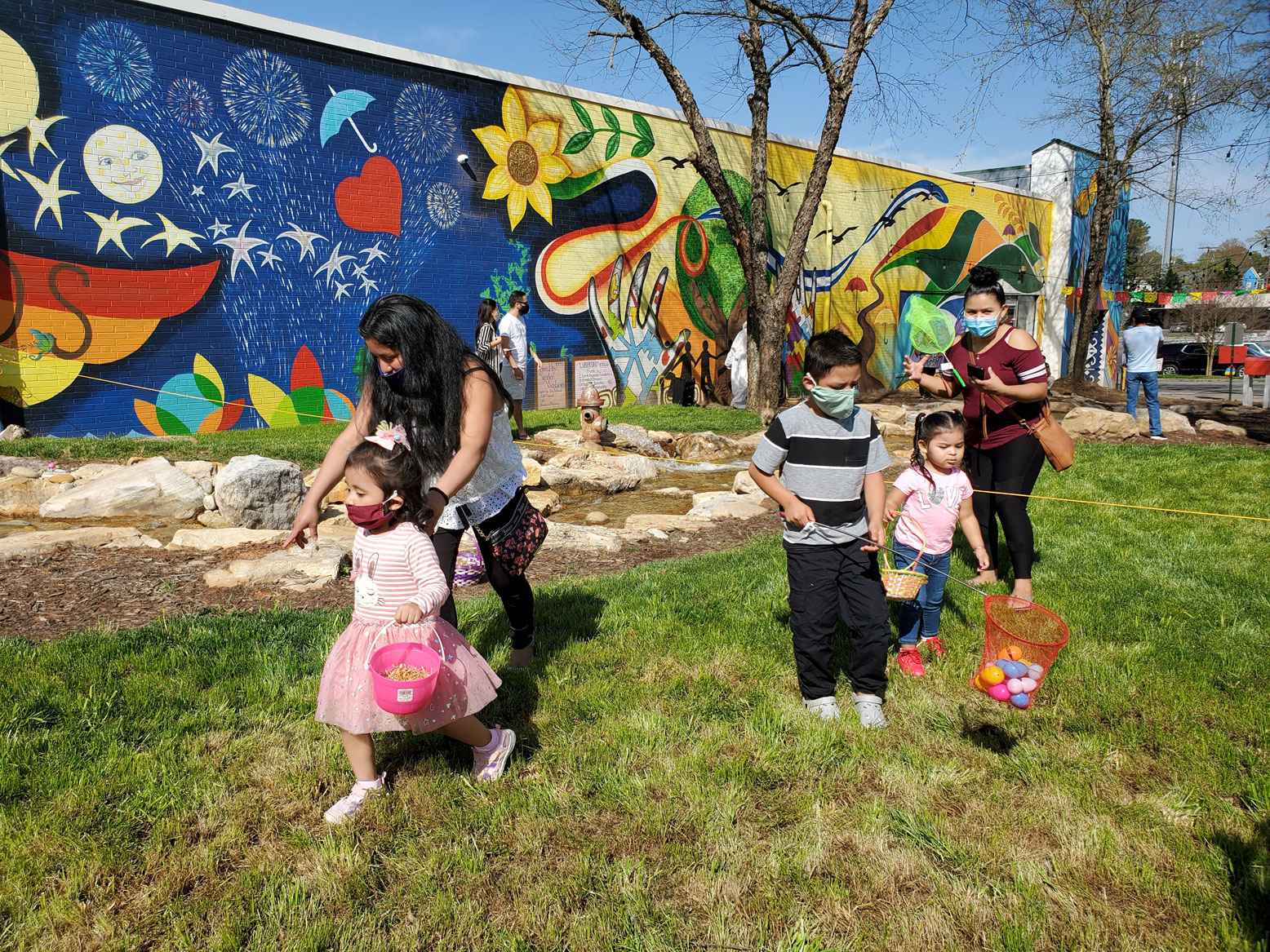
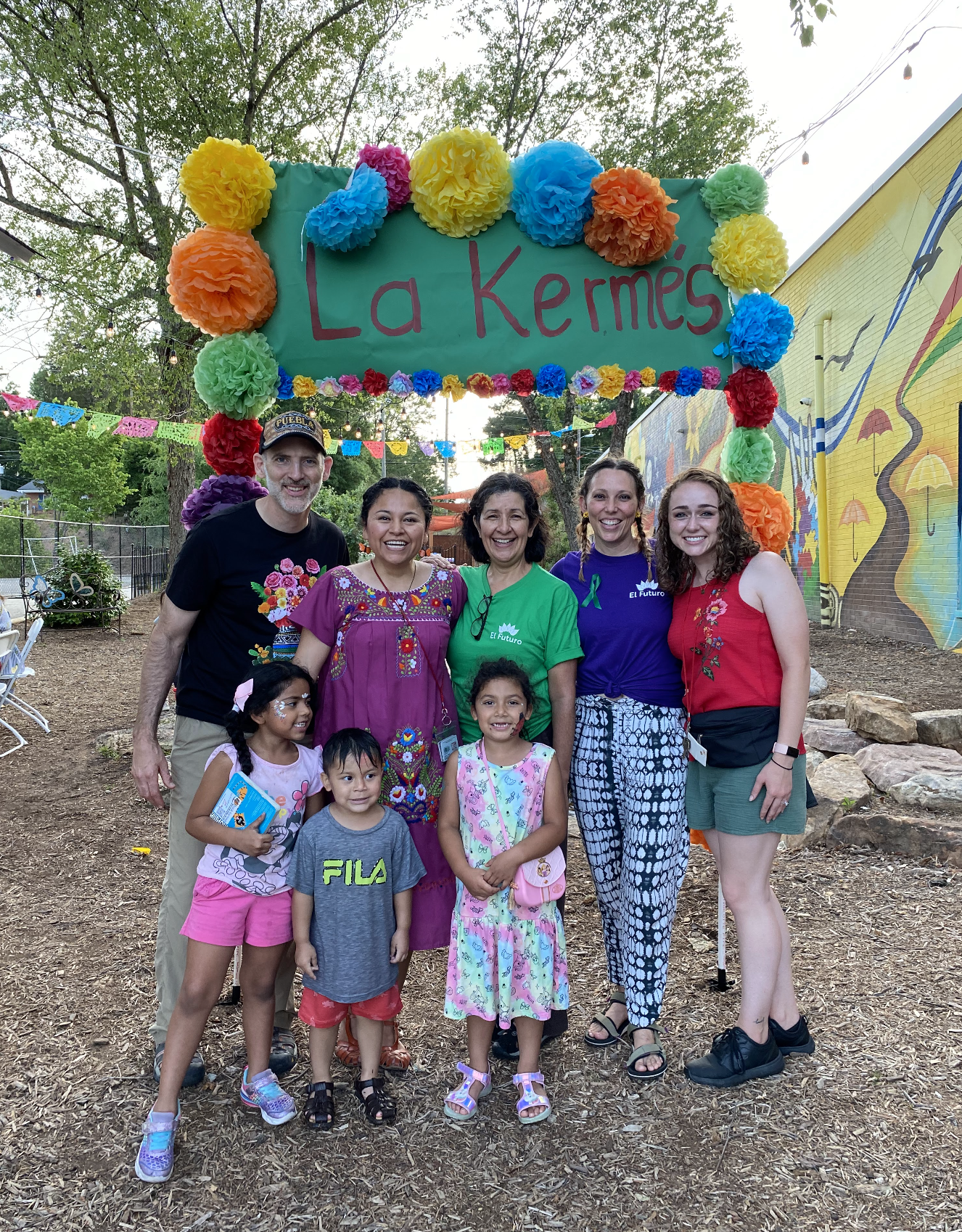
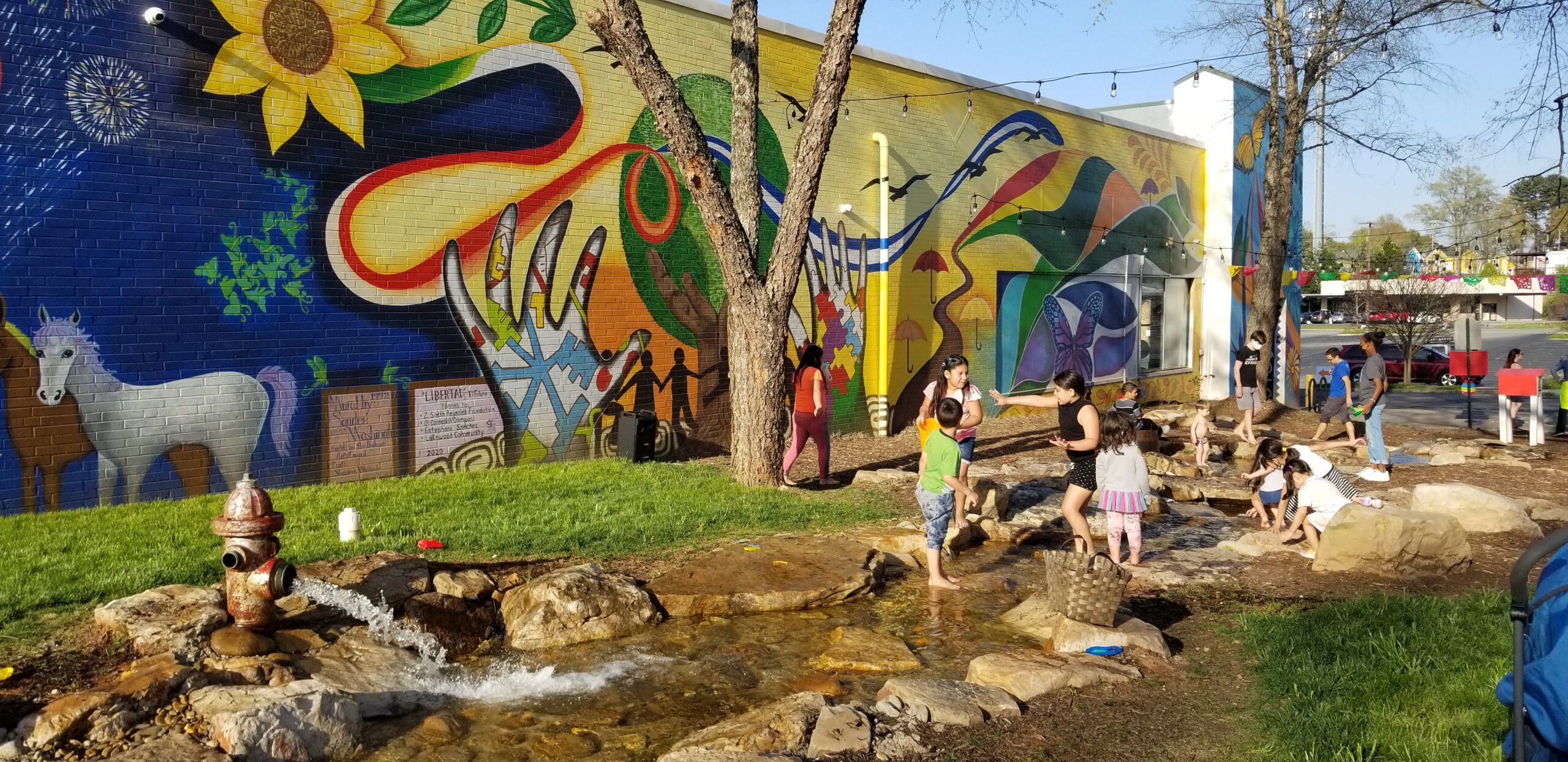
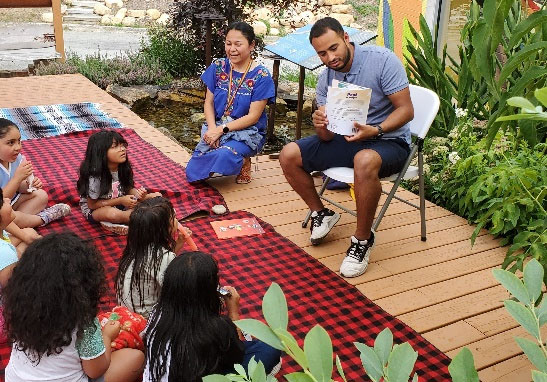
Plaza Futuro was born from a simple but powerful belief: people heal, grow, and thrive when they feel connected to community, culture, nature, and one another. We envision Plaza Futuro as more than a gathering space. It is a community space where families, youth, neighbors, artists, and partners come together to celebrate culture, build meaningful relationships, share traditions, and support one another. In a time when so many people feel isolated or overwhelmed, spaces for belonging and connection matter more than ever.
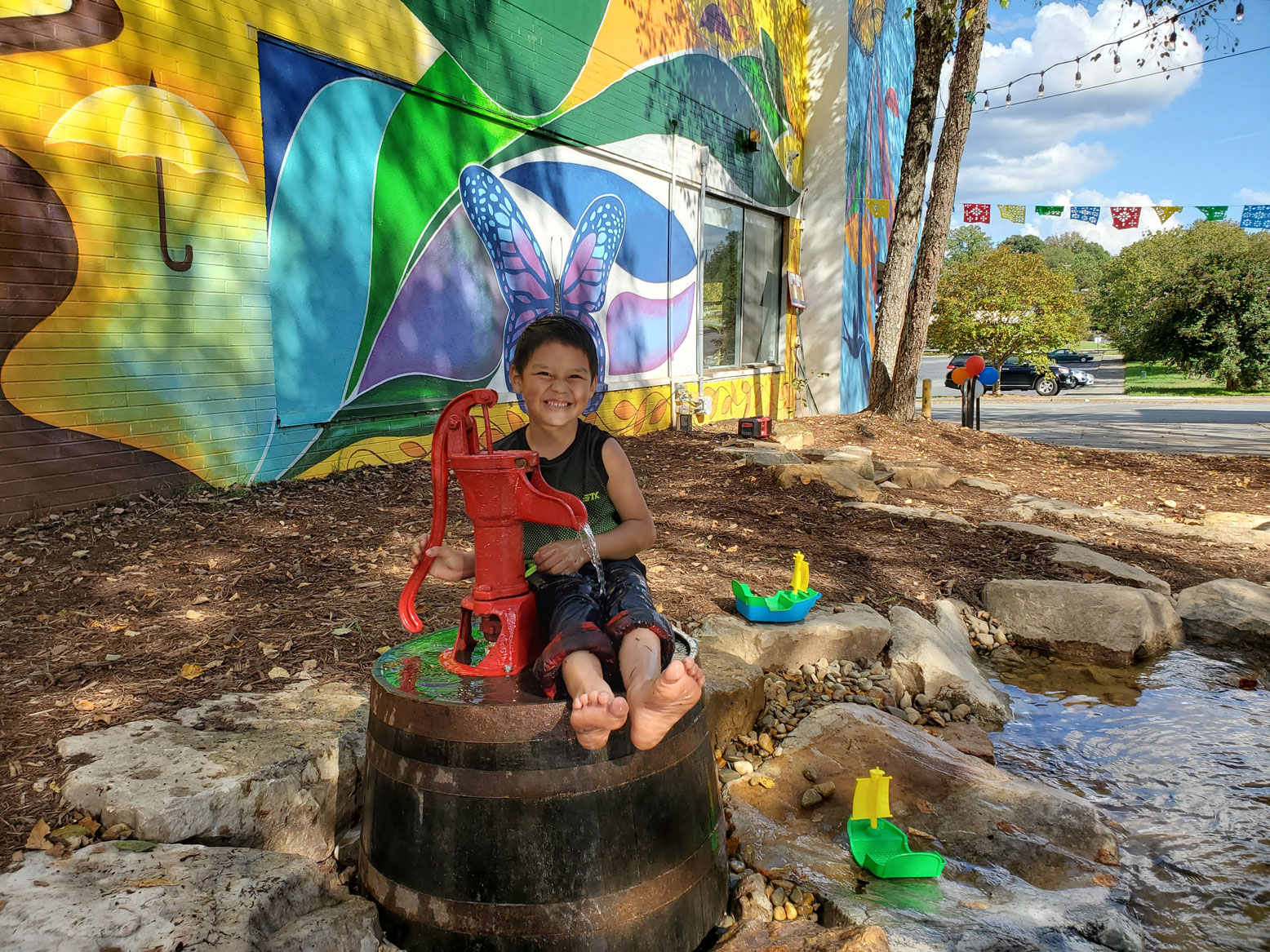
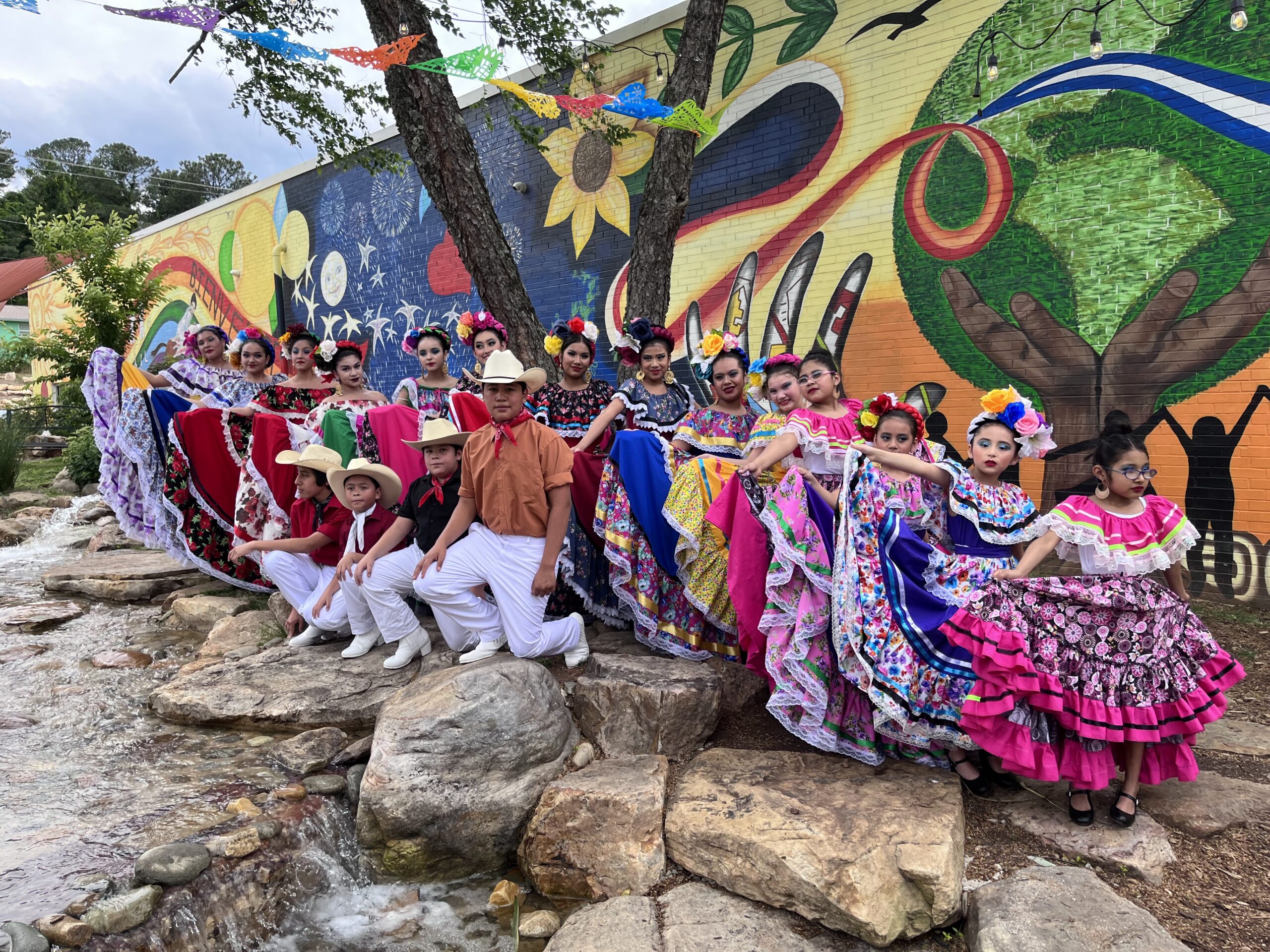
Plaza Futuro was created intentionally as a place where people can slow down, relax, reconnect, and heal outdoors, surrounded by culture and nature. We believe there is healing in sharing meals, dancing together, listening to music outside, planting gardens, mentoring youth, and exchanging stories across generations. These moments strengthen cultural pride, resilience, and community well-being.
We are especially passionate about listening to the community and creating opportunities for people to lead, volunteer, teach, create, and bring their own ideas to life. Plaza Futuro is not being built for the community, but with the community. This vision is only possible through strong partnerships and collective effort, neighbors, families, artists, youth, organizations, volunteers, and community leaders working together to create a space rooted in belonging, healing, creativity, sustainability, and hope.
We invite you to be part of Plaza Futuro. Share your talents, partner with us, and help build a place where people feel connected, supported, inspired, and at home.
How Does This Project Relate to Mental Health?
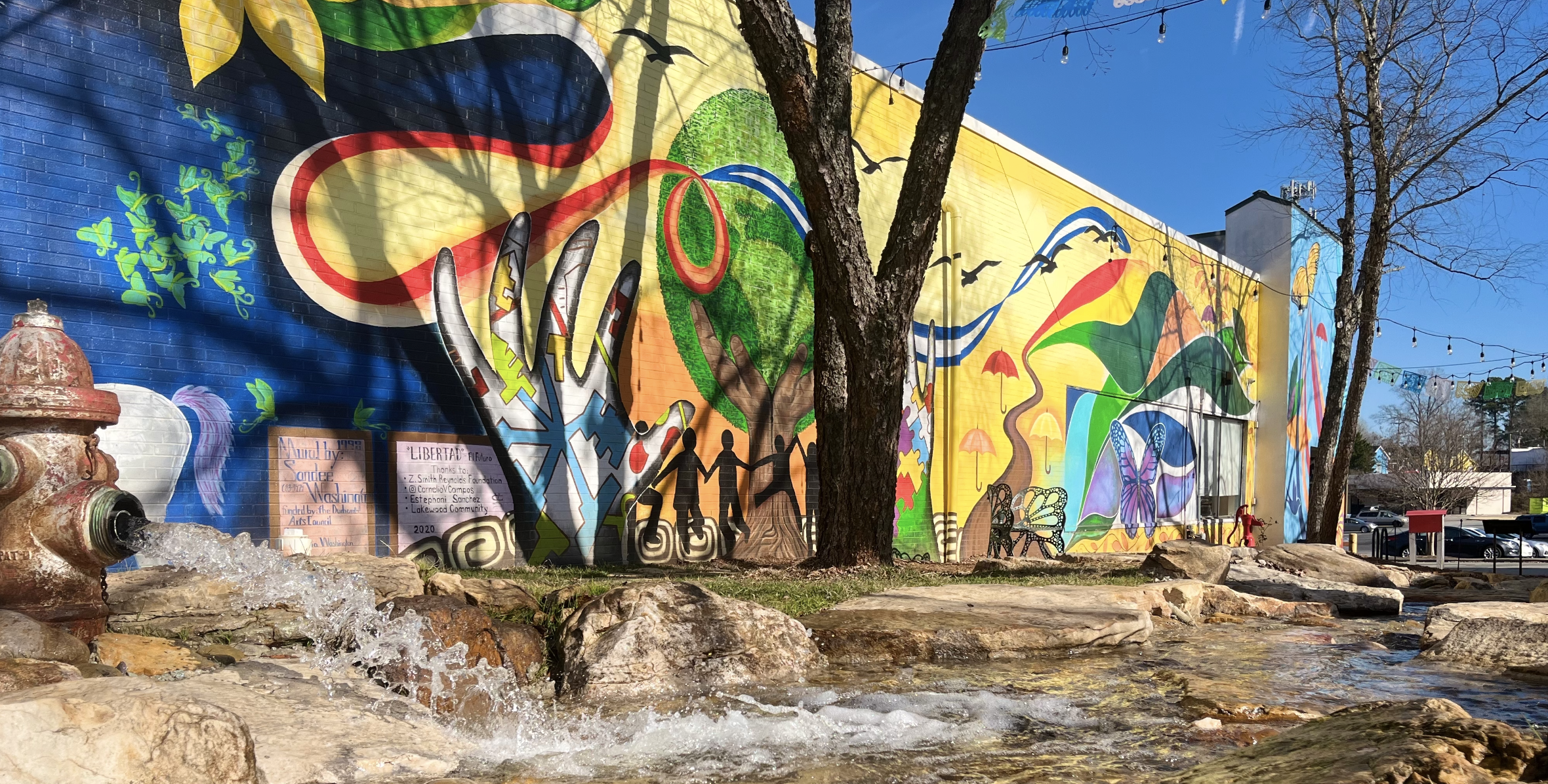
Our intention is to create a space in which immigrant families, who too often feel excluded, isolated, or unwanted, can feel like they truly belong, are welcomed and included, and can contribute their best gifts in their new community. There’s an increased emphasis on the public health epidemic of loneliness. Studies demonstrate the negative mental and physical health impacts of our modern culture in the United States. Through beautifying the green space in intentional, therapeutic ways, we hope to cultivate a familial and communal environment. This has become even more essential during the COVID-19 pandemic. Through intentional design features, space is meant to mimic the look and feel of public plazas found in Central and South America, as well as agrarian regions that many immigrant families find familiar.
Are you interested in helping us maintain our garden and green space? Please visit our get involved page on how you could volunteer.
Project Timeline
Check Out These Local Companies With Whom We Have Partnered!

Bull City Brick & Restoration is a Latino-owned business that was founded on the principle of helping Bull City’s residents take on projects, regardless of the size or task.
Tributary strives to engage people with the outdoors by designing spaces that are ecologically diverse, culturally sensitive, and inherently interactive.

Whitaker Waterscapes is a family-run business. They have created many outdoor spaces that stand out, yet blend in beautifully
with the natural settings.
I am a firm believer that when a community has a safe place, its natural tendency is to grow and flourish. In my eyes, the Green Space is that place—a space that celebrates and strengthens self-identity, mutual empowerment, and the diversity that enriches our cultures.
 Alvely Alcántara, LCSW
 Rossy C. Garcia, MEd
  Katy Sims, MD
  Everardo Aviles, LCSW, LCAS (Eve)
 As a medical anthropologist and social work researcher, Dr. Gulbas’ research embodies interdisciplinarity through the integration of applied theories of health and human development with qualitative and ethnographic methodologies. Her work seeks to understand how people—children, families, and providers—navigate complex sociocultural landscapes in the pursuit of mental health. Most of her work, to date, focuses attention on developing more robust interpretations of suicide risk. With funding from the National Institutes of Mental Health, this body of research has contributed to advancements in theoretical and empirical knowledge of the broader contexts within which youth suicide risk is situated.
  R. Gabriela Barajas-Gonzalez is a developmental psychologist and an assistant professor of Population Health at NYU Grossman School of Medicine. Dr. Barajas-Gonzalez is the principal investigator of a study that examines the impact of immigration-related threat and stress on school communities. She earned a PhD in developmental psychology from Columbia University and hold a BA in human biology from Stanford University. Dr. Barajas-Gonzalez is the daughter of Mexican immigrants and a first gen college student.
 Dr. Parra-Cardona is an Associate Professor in the Steve Hicks School of Social Work (SHSSW) at the University of Texas at Austin. At the SHSSW, he serves as Coordinator for Mexico and Latin American initiatives. He also serves as Area Director for Research at the UT Austin Latino Research Institute. Dr. Parra-Cardona’s program of research is focused on the cultural adaptation of evidence-based parenting interventions for low-income Latinx populations in the US and Latin America.
 Bianka Reese, PhD, MSPH is a research scientist and program evaluator specializing in adolescent and young adult sexual and reproductive health. Her previous research in the experiences of Latinx LGBTQ+ youth stems from her work as the Research and Evaluation Manager at SHIFT NC (Sexual Initiatives For Teens), where she led largescale evaluations of multilevel, community-based sexual health promotion initiatives and research projects aimed at elevating the voices of diverse youth in North Carolina. Dr. Reese is currently the Senior Research Strategist at Creative Research Solutions, LLC, an award-winning national evaluation, research, and assessment firm.
 Tania Connaughton-Espino, MPH is an independent researcher focused on adolescent and young adult sexual and reproductive health. Her interest in the experiences of Latinx LGBTQ+ youth stems from her previous work with SHIFT NC (Sexual Initiatives For Teens), where she led the training and evaluation department, conducted capacity-building workshops for youth serving professionals including on the topic of how to be more affirming of LGBTQ youth, and from her extensive experience working with the Latinx population in NC.
 Maru Gonzalez, EdD is an Assistant Professor and Youth Development Specialist in the Department of Agricultural and Human Sciences at North Carolina State University. Her areas of inquiry include youth development with a focus on activism, social justice, and the experiences of LGBTQ+ young people across familial, school, and community contexts.
  Nayeli Y. Chavez-Dueñas, PhD
 Hector Y. Adames, PsyD