
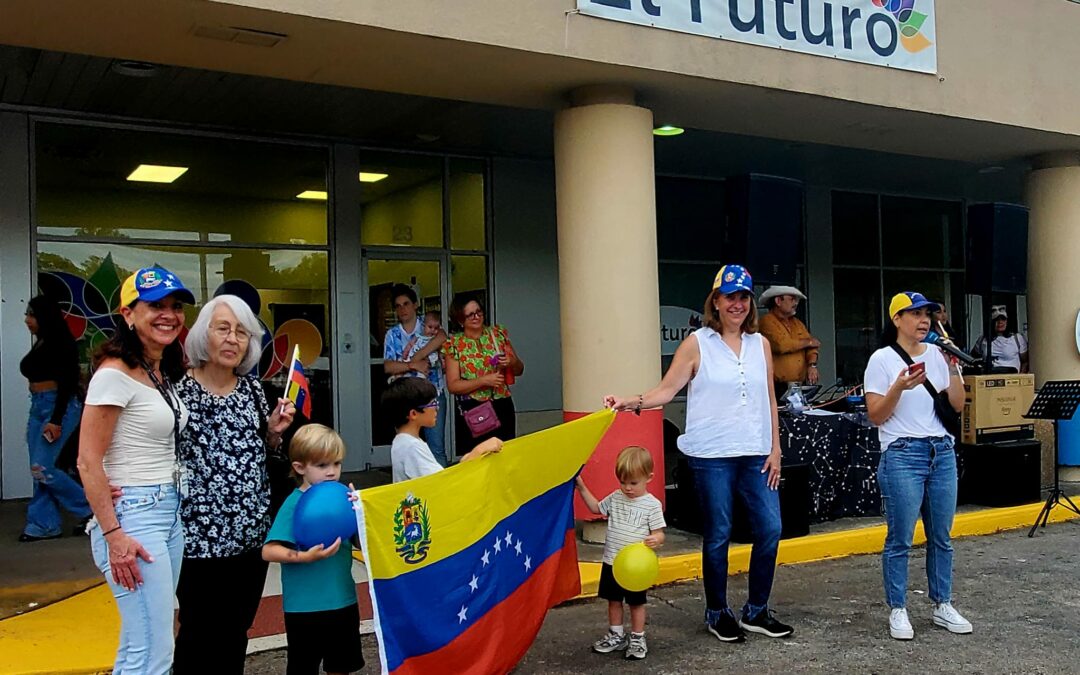
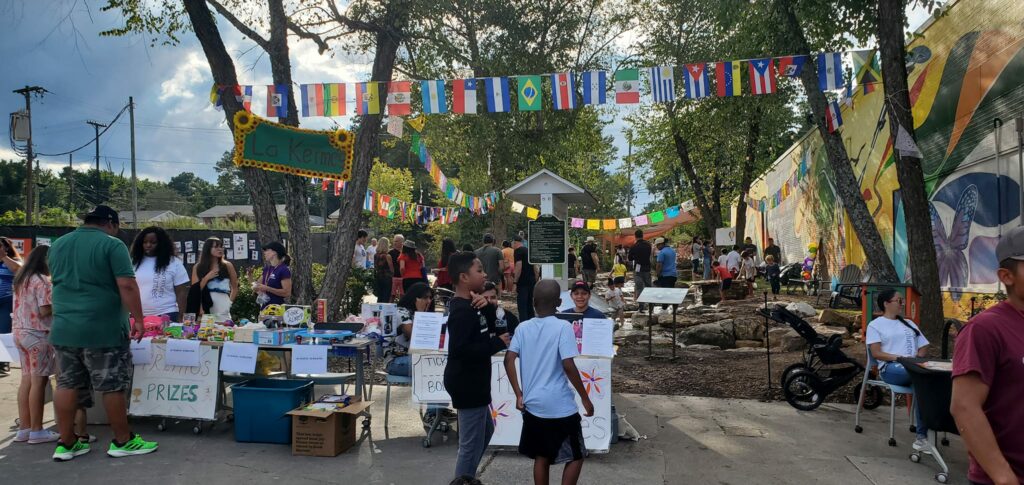
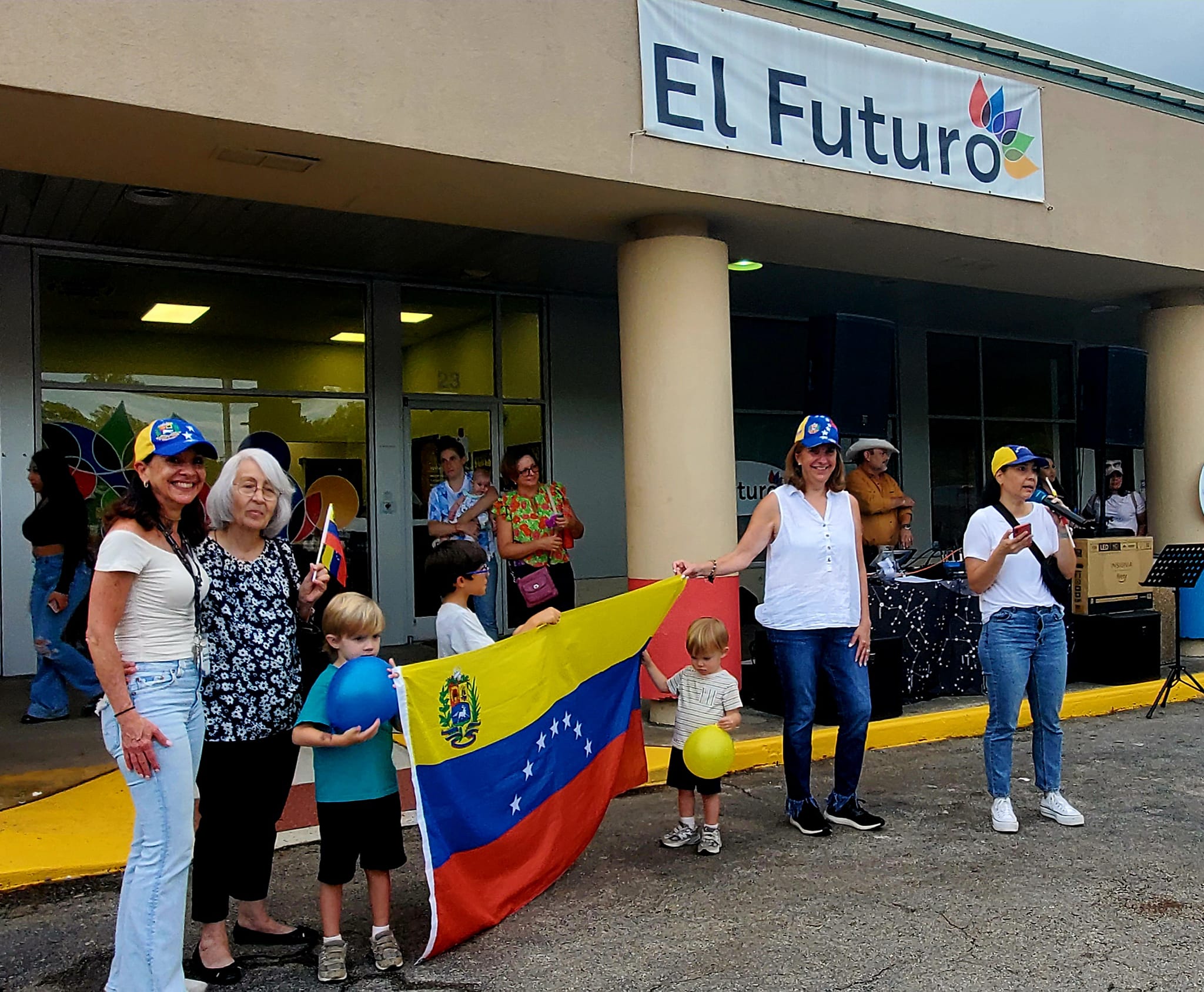
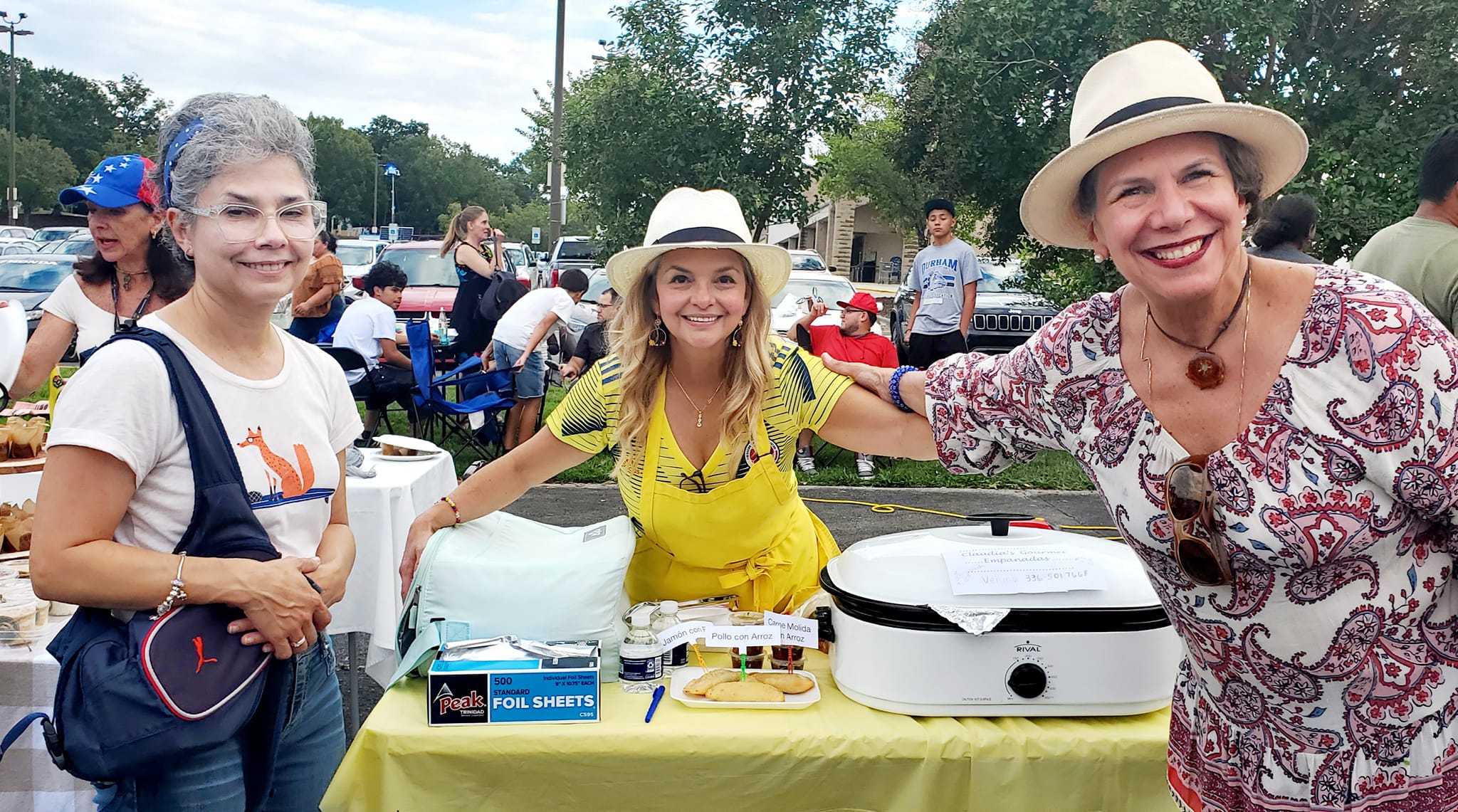
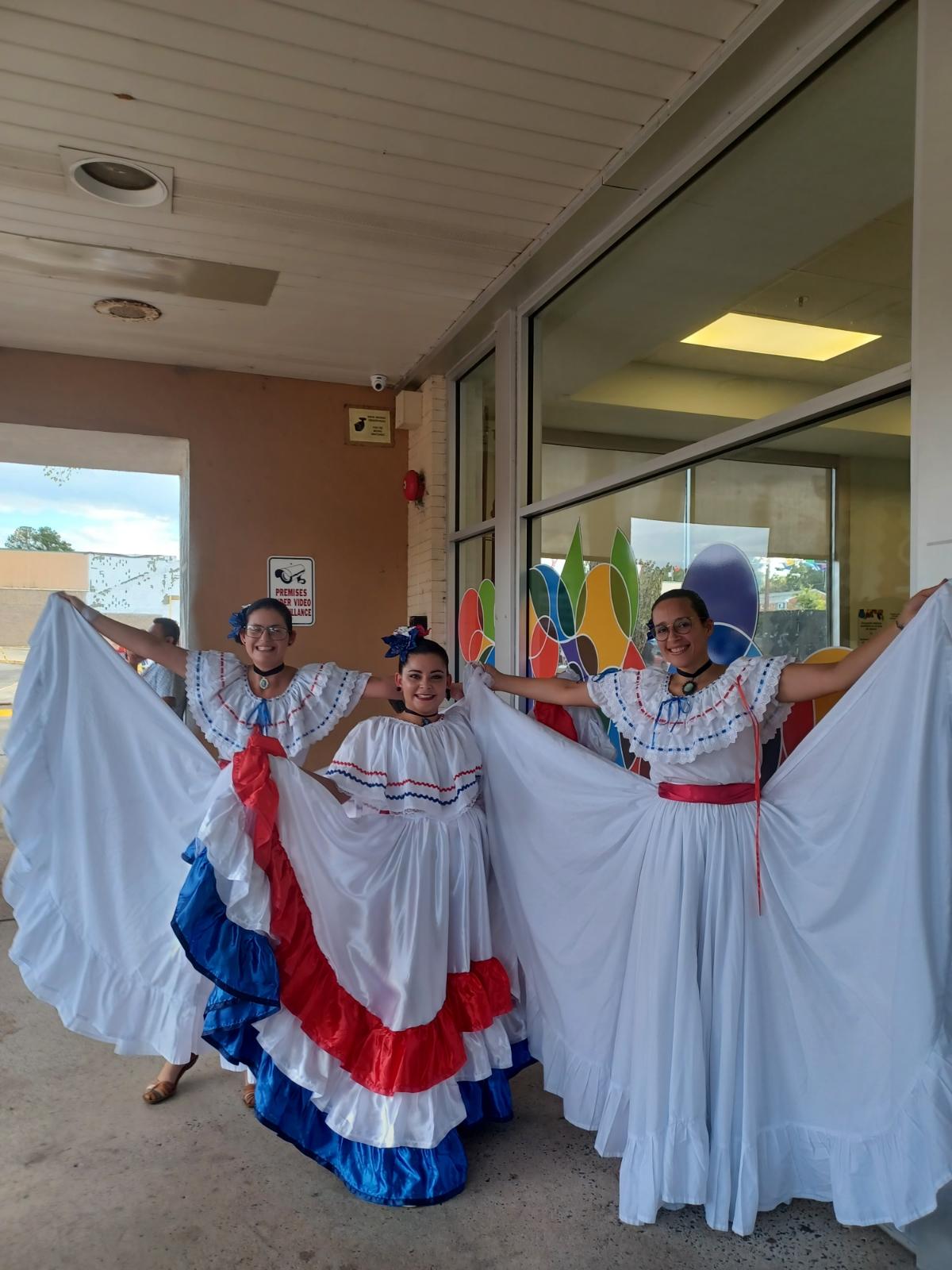
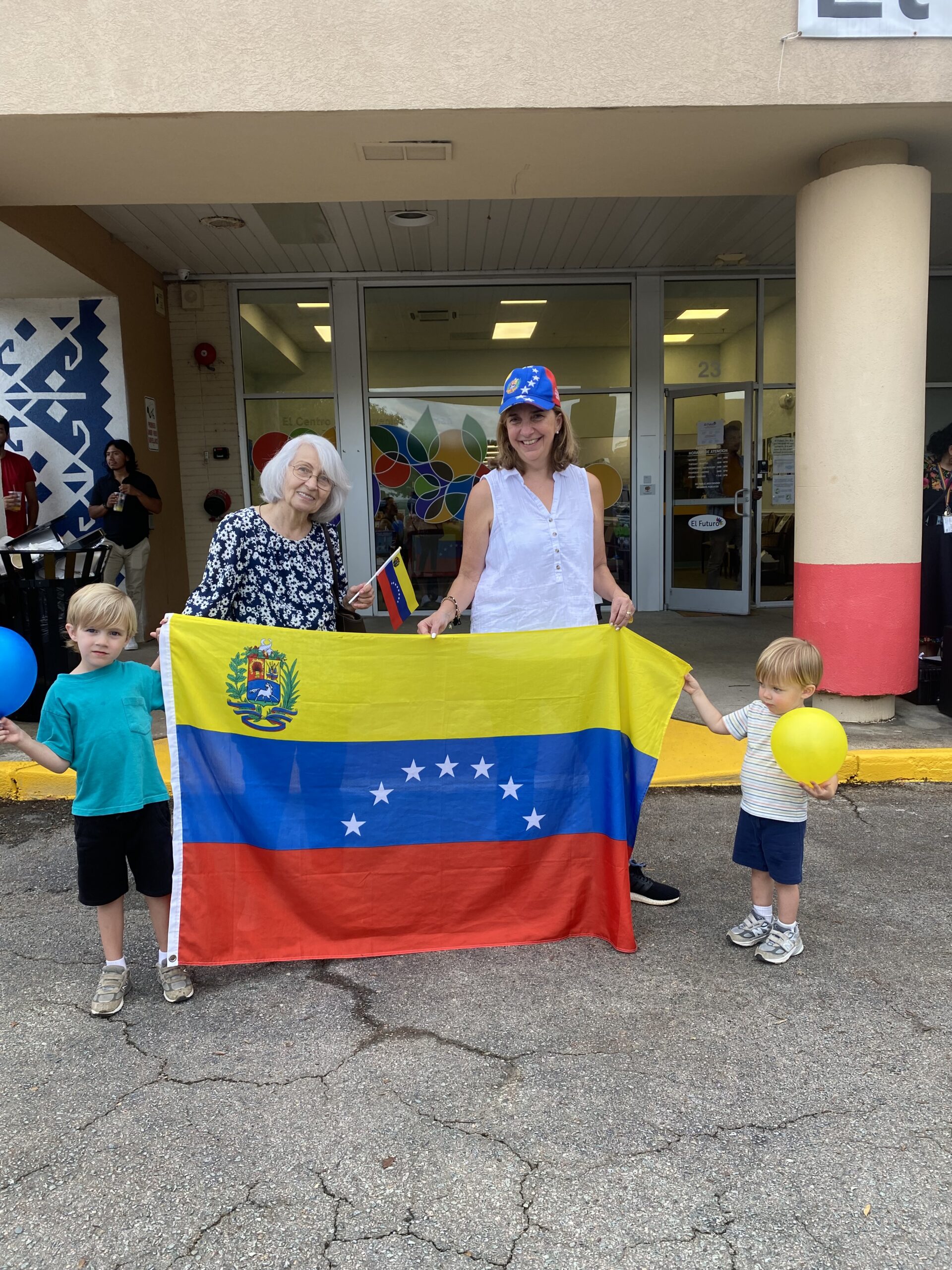
 Kermes is a Latin American heritage celebration, a traditional carnival-like fiesta, and this month, our Kermes was our best one yet. La Kermes brings as much joy to the people who organize it as the people attending it. With mouthwatering traditional foods such as Colombian arepas, Salvadoran pupusas, Oaxacan tlayudas, and Mexican champurrado, everybody left satisfied with their stomachs and hearts full. If there is no music, it is not a Latino party. The music from different Latin American cultures roused everyone to the dance floor, and the raffles and games, such as the Loteria, brought smiles and laughter to the ambiance. The richness of different Latin American cultures gathering together brought happiness, healing, and a sense of belonging by reconnecting to one’s heritage and raices, roots. The people are what made our Kermes so unforgettable. Listening to Salvadorans proudly sing the song Patria Querida in unison; you could hear the nostalgia and pride in their voices and their smiles reflecting the joy of belonging as they shared this moment with other Salvadorans. The people, vendors, volunteers, and guests awakened the vibrant expression of culture, allowing a collective celebration of homelands and native countries.
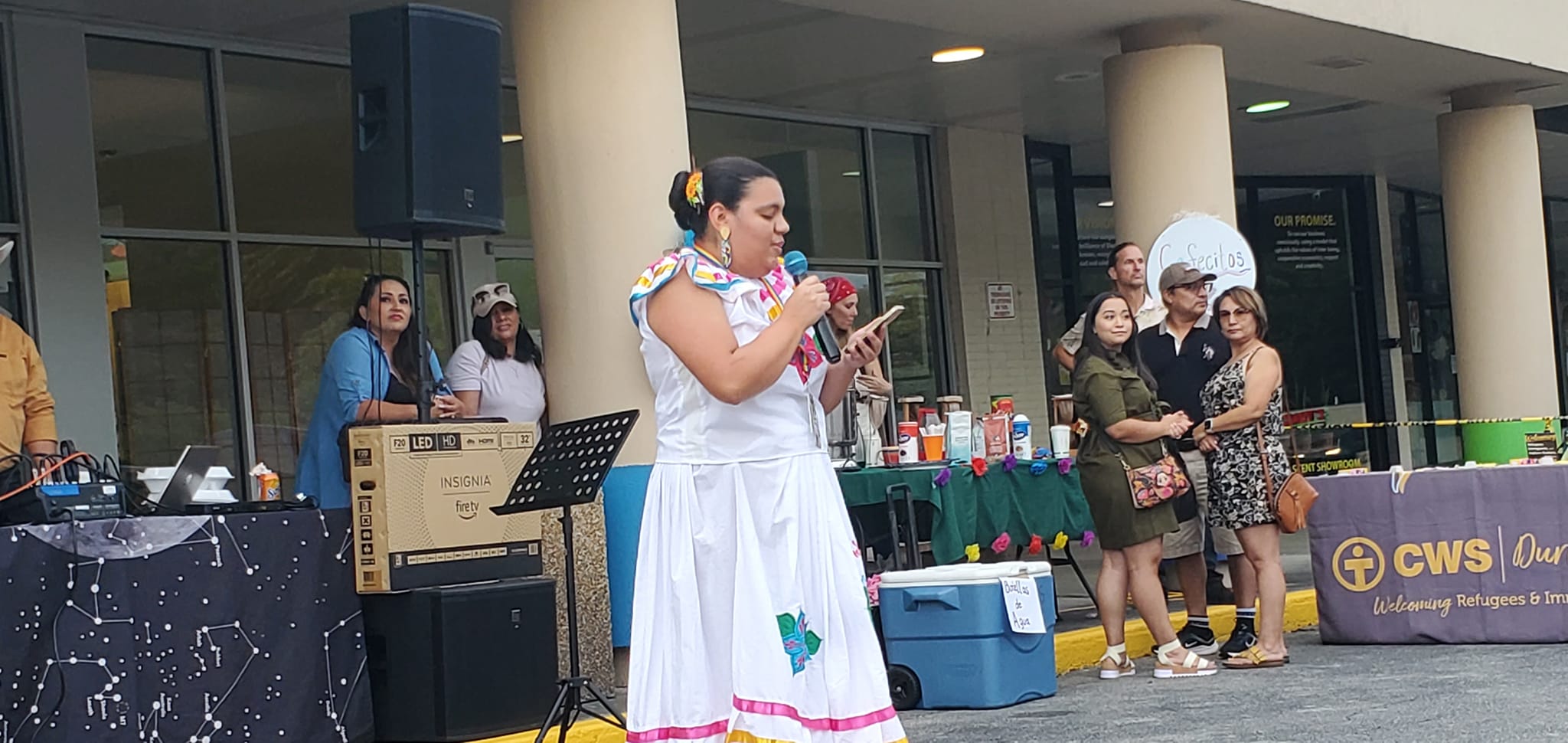
The event entertained people of all ages, including children dancing with their parents, and grandmothers sharing wisdom and blessings. Kids went up and down the stream, jumping from rock to rock, sweaty and happy, running around everywhere and playing the carnival games. Attendees took turns using the microphone to share their love and memories of their homelands. La Kermes has made special and unique moments between families and community members possible; Mary Sahonero, therapist at El Futuro, commented while she observed a father playing with his daughter in the creek, “If not here, then where?” Julia Sendor said, “There are a few special places that make me so thankful to live in this community – and El Futuro is one of them.” With the games, there were also raffles and prizes; we raffled a 32-inch TV made possible by our generous vendors. Luke Smith, our Executive Director, expressed how all comes from the community and goes back to them!
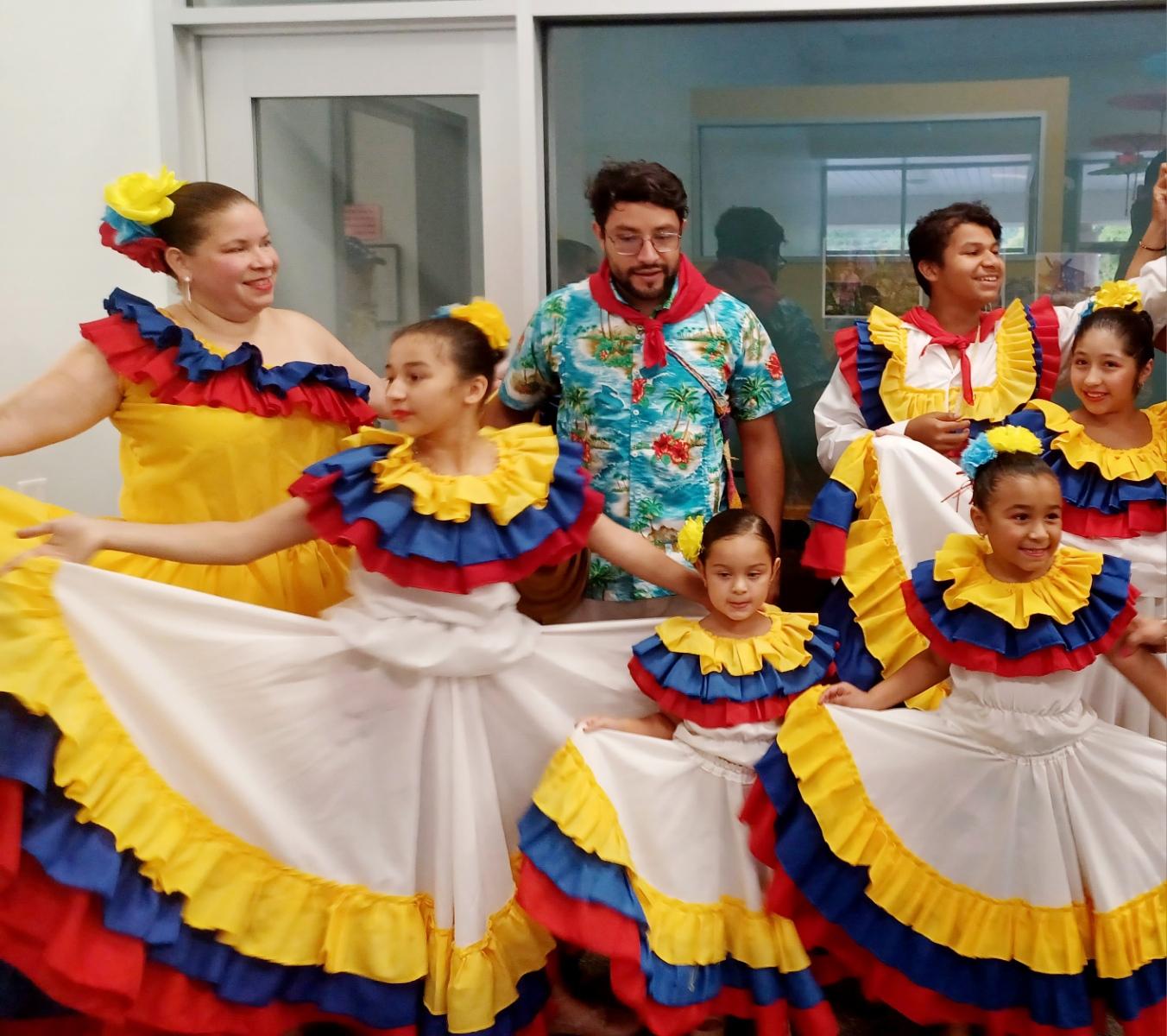
Calor Humano, or human warmth, is a core value of El Futuro, which is what this Kermes embodied. At El Futuro, we practice Calor Humano by providing a space to feel heard and understood and creating a community where everyone is welcome and accepted and can gather together for a good time. Calor Humano was tangible in our Kermes this September; you could see and feel it through the numerous people dancing, wearing colorful, traditional clothing, laughing, enjoying themselves, and smiling everywhere. An attendee shared that she couldn’t hold back her tears when the Colombian dancers started dancing Cumbia with La Tricolor in their dresses. Other attendees shared how they relived their childhood memories with each dance and how this Kermes felt like they were back home at El Mercado, the market.
El Futuro is all about mental health services for the Latino community; however, mental health extends beyond the clinic’s walls and includes being part of a community, connecting to one’s heritage, dancing, playing, laughing, and eating good food with good company. We host the event in the green and outside space of our clinic. El Futuro will continue with more Kermes fiestas to come, so make sure you join us for the next one. The event is free, and everybody is welcome. You can keep up to date with our upcoming events through our website or social media. There is strength in numbers; together, through community, we support each other, heal each other, and succeed in our mission to strengthen familias.
Article written by Candy Moreira BSN RN
 Alvely Alcántara, LCSW
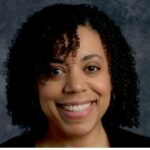 Rossy C. Garcia, MEd
 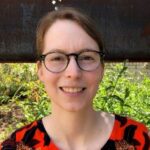 Katy Sims, MD
 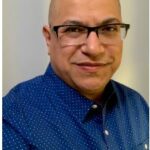 Everardo Aviles, LCSW, LCAS (Eve)
 As a medical anthropologist and social work researcher, Dr. Gulbas’ research embodies interdisciplinarity through the integration of applied theories of health and human development with qualitative and ethnographic methodologies. Her work seeks to understand how people—children, families, and providers—navigate complex sociocultural landscapes in the pursuit of mental health. Most of her work, to date, focuses attention on developing more robust interpretations of suicide risk. With funding from the National Institutes of Mental Health, this body of research has contributed to advancements in theoretical and empirical knowledge of the broader contexts within which youth suicide risk is situated.
  R. Gabriela Barajas-Gonzalez is a developmental psychologist and an assistant professor of Population Health at NYU Grossman School of Medicine. Dr. Barajas-Gonzalez is the principal investigator of a study that examines the impact of immigration-related threat and stress on school communities. She earned a PhD in developmental psychology from Columbia University and hold a BA in human biology from Stanford University. Dr. Barajas-Gonzalez is the daughter of Mexican immigrants and a first gen college student.
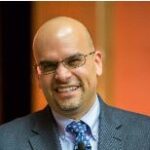 Dr. Parra-Cardona is an Associate Professor in the Steve Hicks School of Social Work (SHSSW) at the University of Texas at Austin. At the SHSSW, he serves as Coordinator for Mexico and Latin American initiatives. He also serves as Area Director for Research at the UT Austin Latino Research Institute. Dr. Parra-Cardona’s program of research is focused on the cultural adaptation of evidence-based parenting interventions for low-income Latinx populations in the US and Latin America.
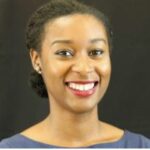 Bianka Reese, PhD, MSPH is a research scientist and program evaluator specializing in adolescent and young adult sexual and reproductive health. Her previous research in the experiences of Latinx LGBTQ+ youth stems from her work as the Research and Evaluation Manager at SHIFT NC (Sexual Initiatives For Teens), where she led largescale evaluations of multilevel, community-based sexual health promotion initiatives and research projects aimed at elevating the voices of diverse youth in North Carolina. Dr. Reese is currently the Senior Research Strategist at Creative Research Solutions, LLC, an award-winning national evaluation, research, and assessment firm.
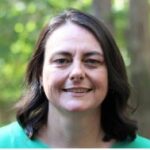 Tania Connaughton-Espino, MPH is an independent researcher focused on adolescent and young adult sexual and reproductive health. Her interest in the experiences of Latinx LGBTQ+ youth stems from her previous work with SHIFT NC (Sexual Initiatives For Teens), where she led the training and evaluation department, conducted capacity-building workshops for youth serving professionals including on the topic of how to be more affirming of LGBTQ youth, and from her extensive experience working with the Latinx population in NC.
 Maru Gonzalez, EdD is an Assistant Professor and Youth Development Specialist in the Department of Agricultural and Human Sciences at North Carolina State University. Her areas of inquiry include youth development with a focus on activism, social justice, and the experiences of LGBTQ+ young people across familial, school, and community contexts.
  Nayeli Y. Chavez-Dueñas, PhD
 Hector Y. Adames, PsyD